
life at 0.95
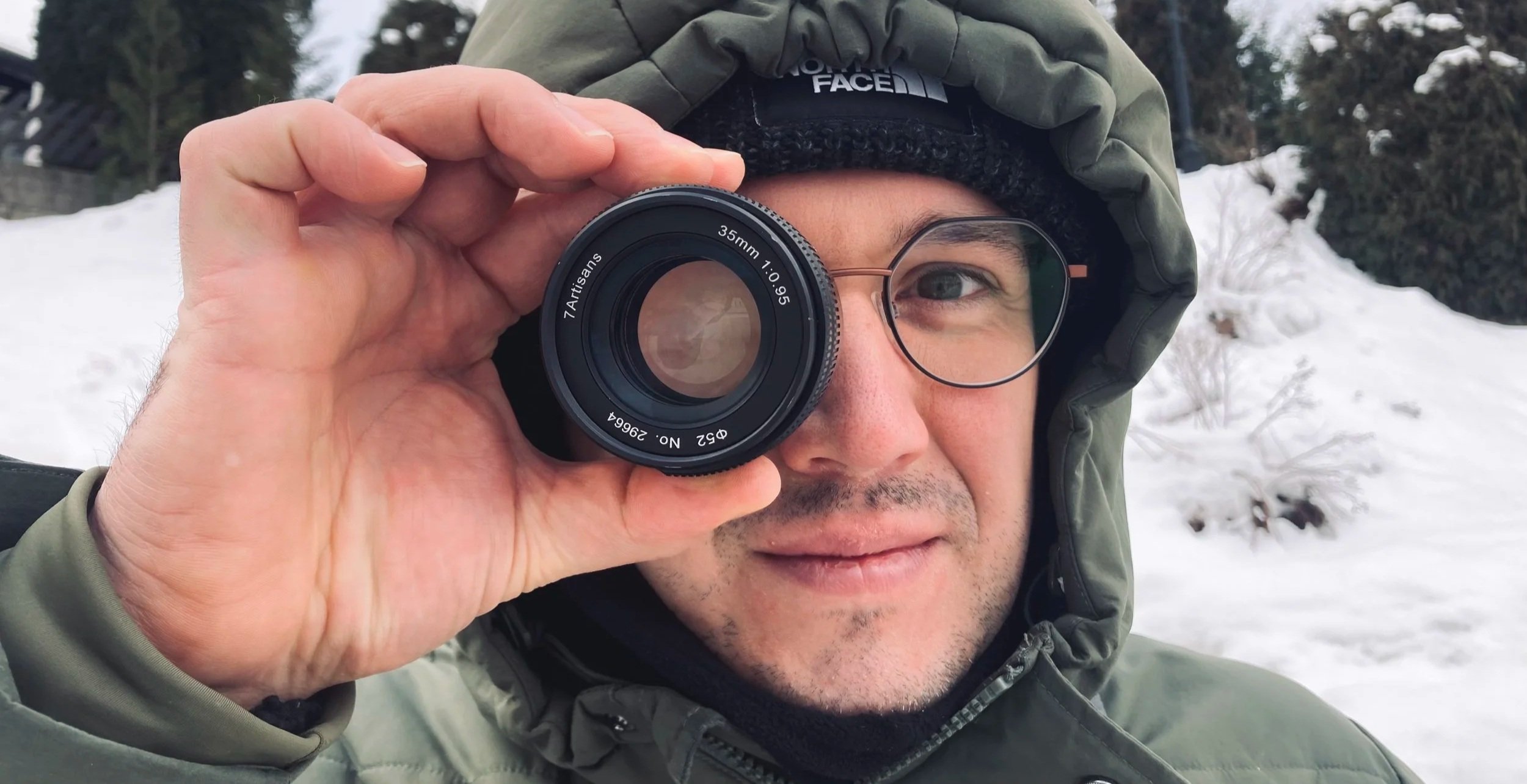
Lenses and focal lengths in photography can reveal quite a bit about the person using them. Do you like to have everything in your frame, layering elements into an organized chaos? Or do you prefer the longer end of telephoto lenses, selectively pinpointing your subjects from a safe distance across the street?
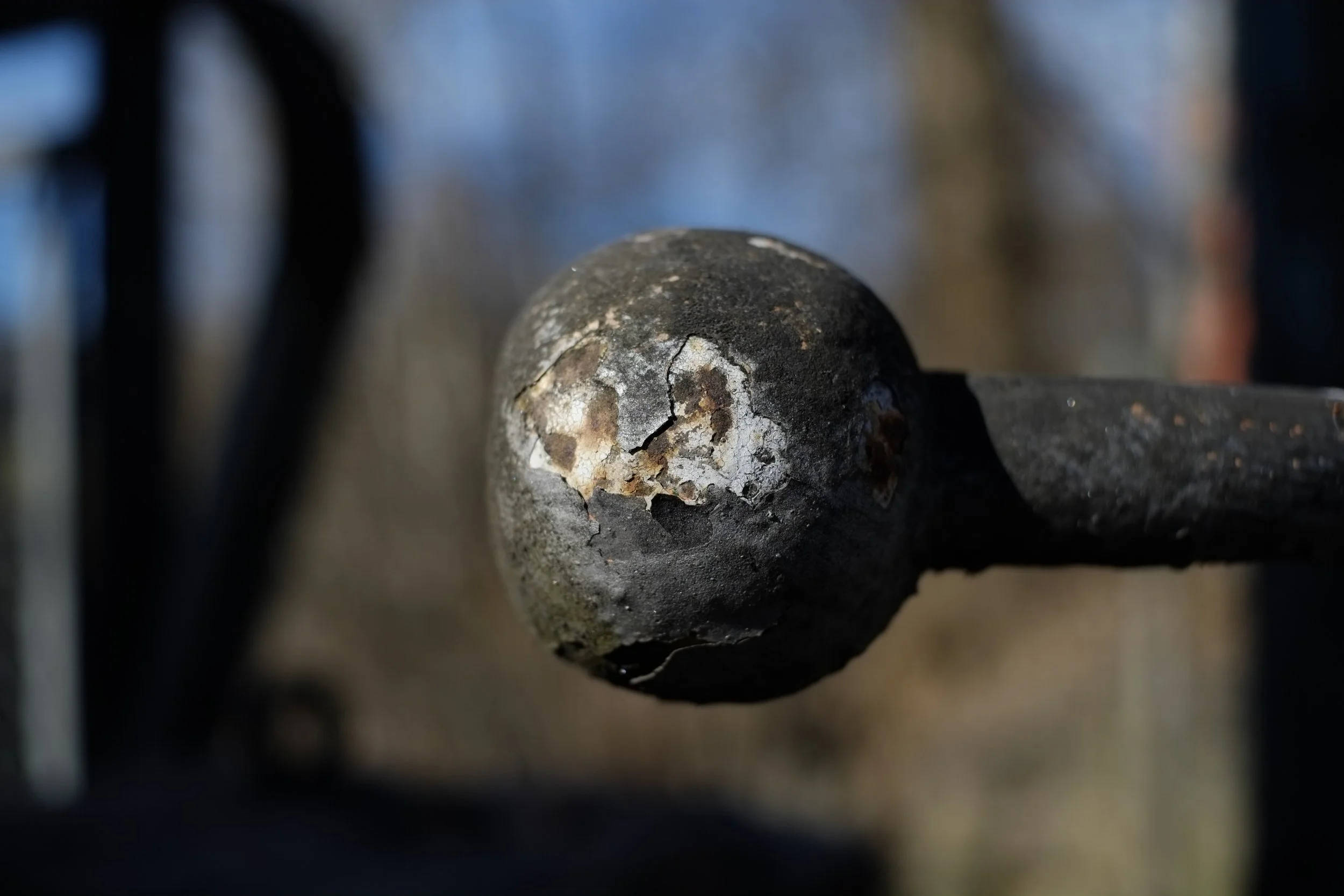

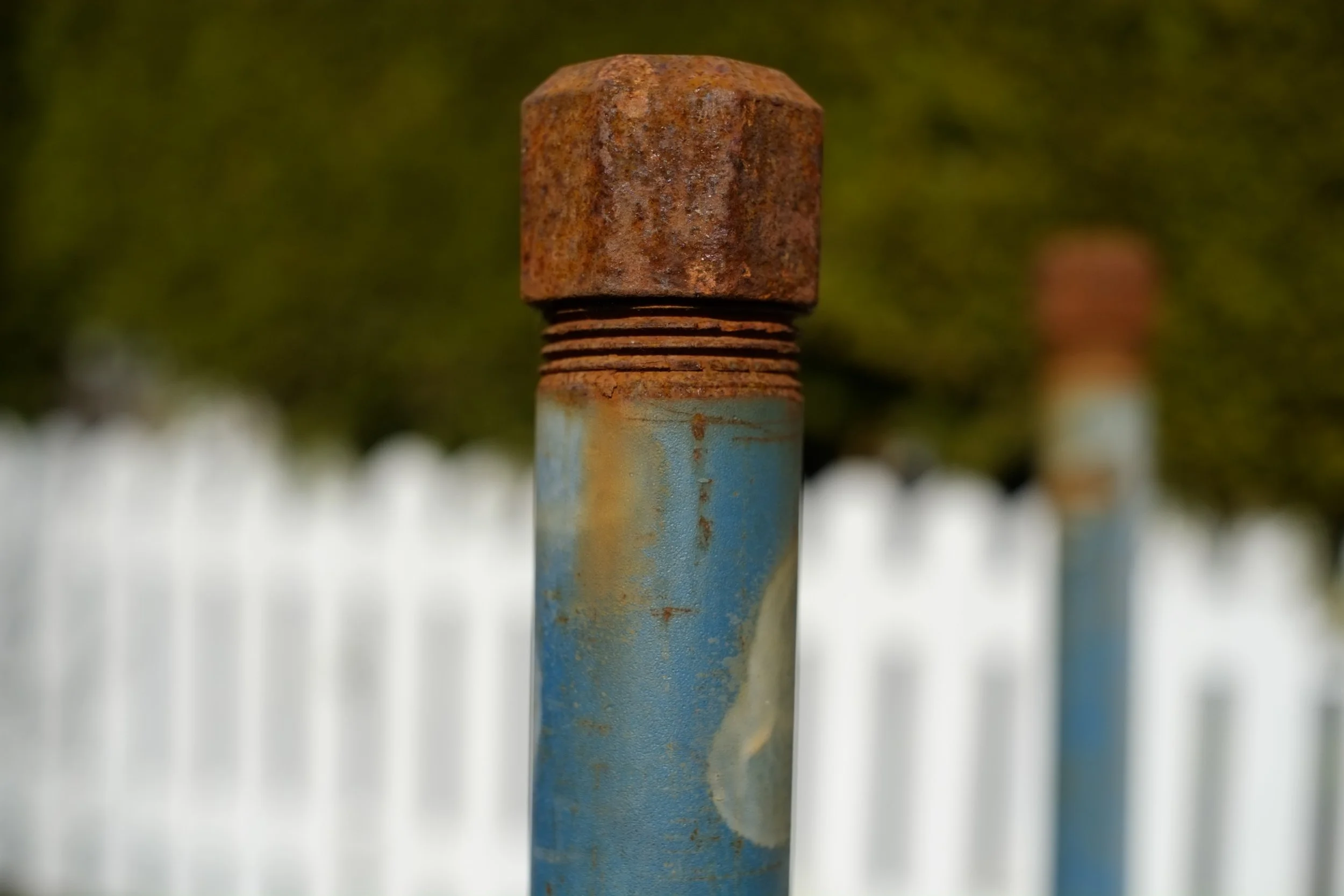
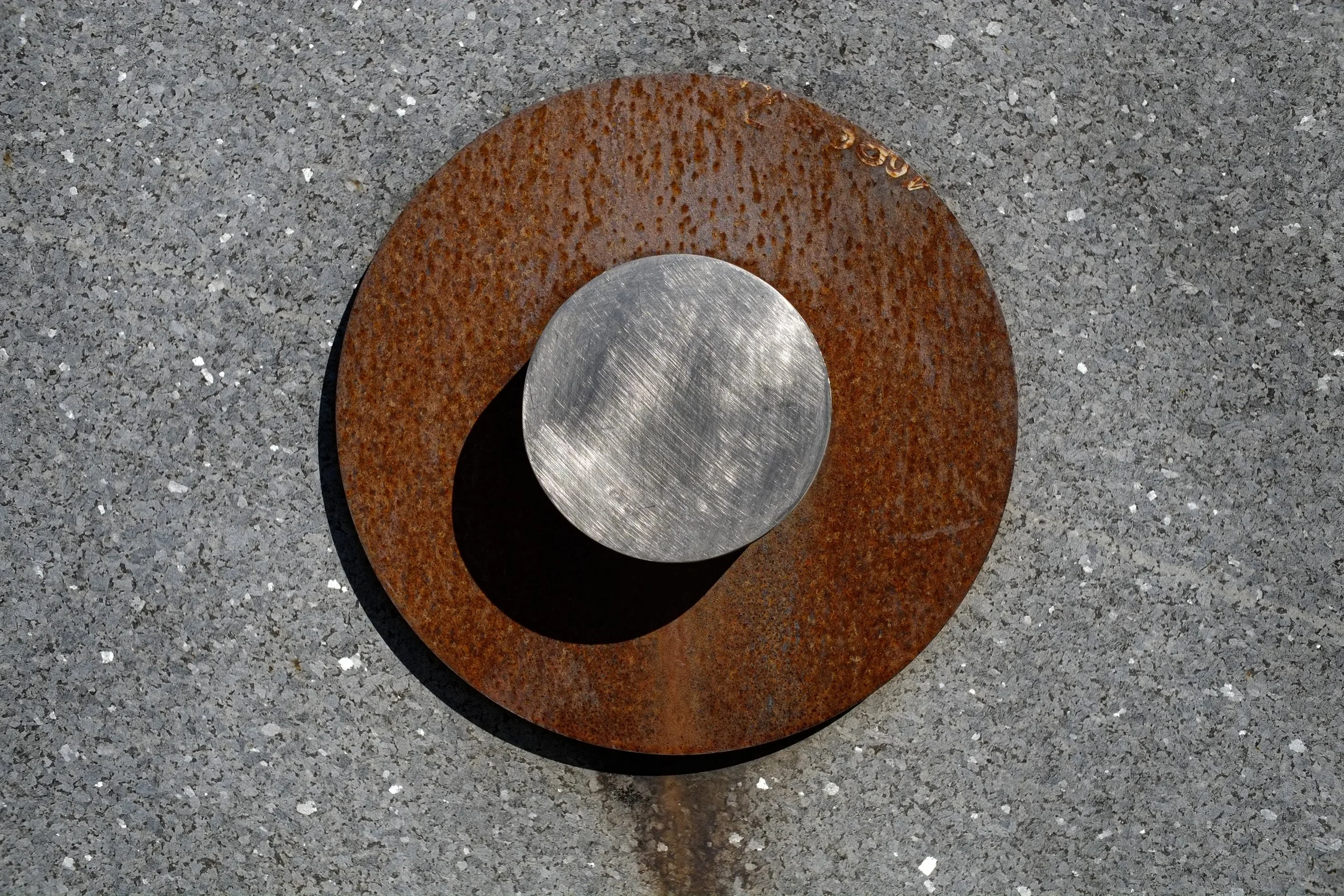
There is another focal range that can offer the best of both worlds — if you dare to master it and sometimes be a little brave and adventurous. You might guess that this focal length lies somewhere between 28–50mm, and in my case, on my crop sensor X-Pro1, it is the 35mm f/0.95 by 7Artisans.
I am familiar with shooting with most focal lengths, and many times, for convenience during street walks around Oslo, I did not shy away from zoom lenses. But I started to believe that limitations would make me more intentional — and hopefully a better photographer. The fixed focal length, manual focusing, and using a not-so-modern camera was just the beginning. Slowly, small results and lucky shots began to pop up here and there in my work.
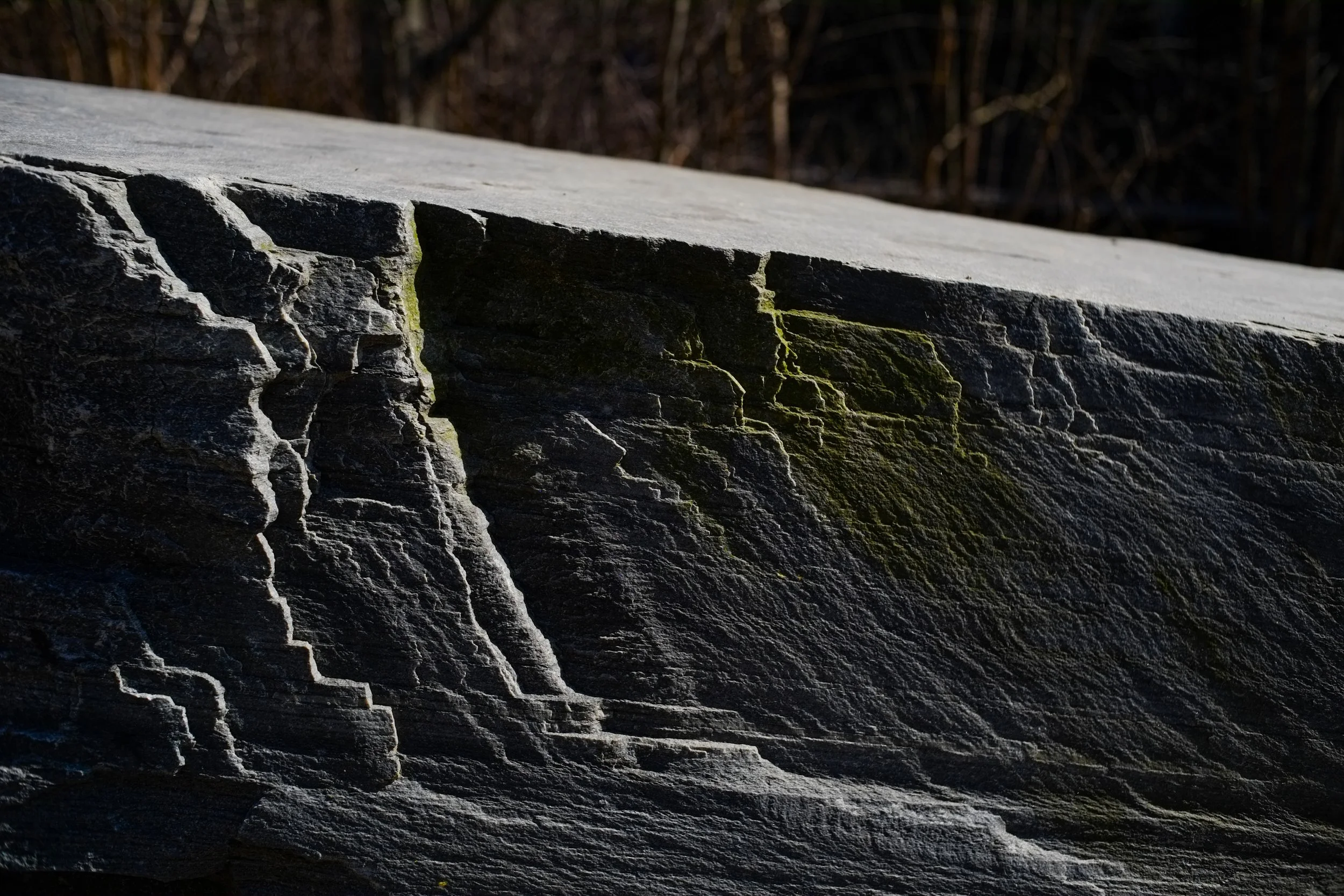
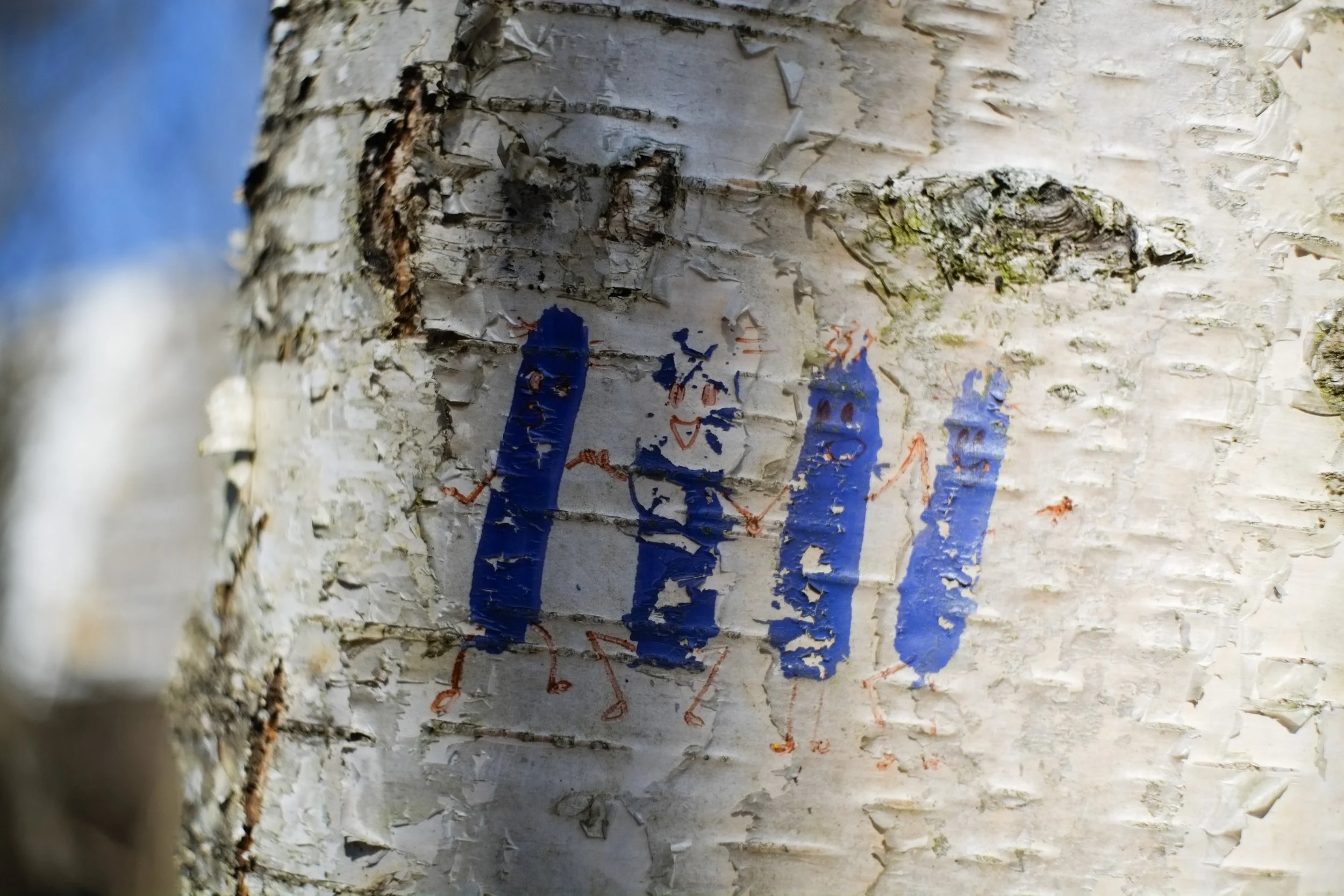
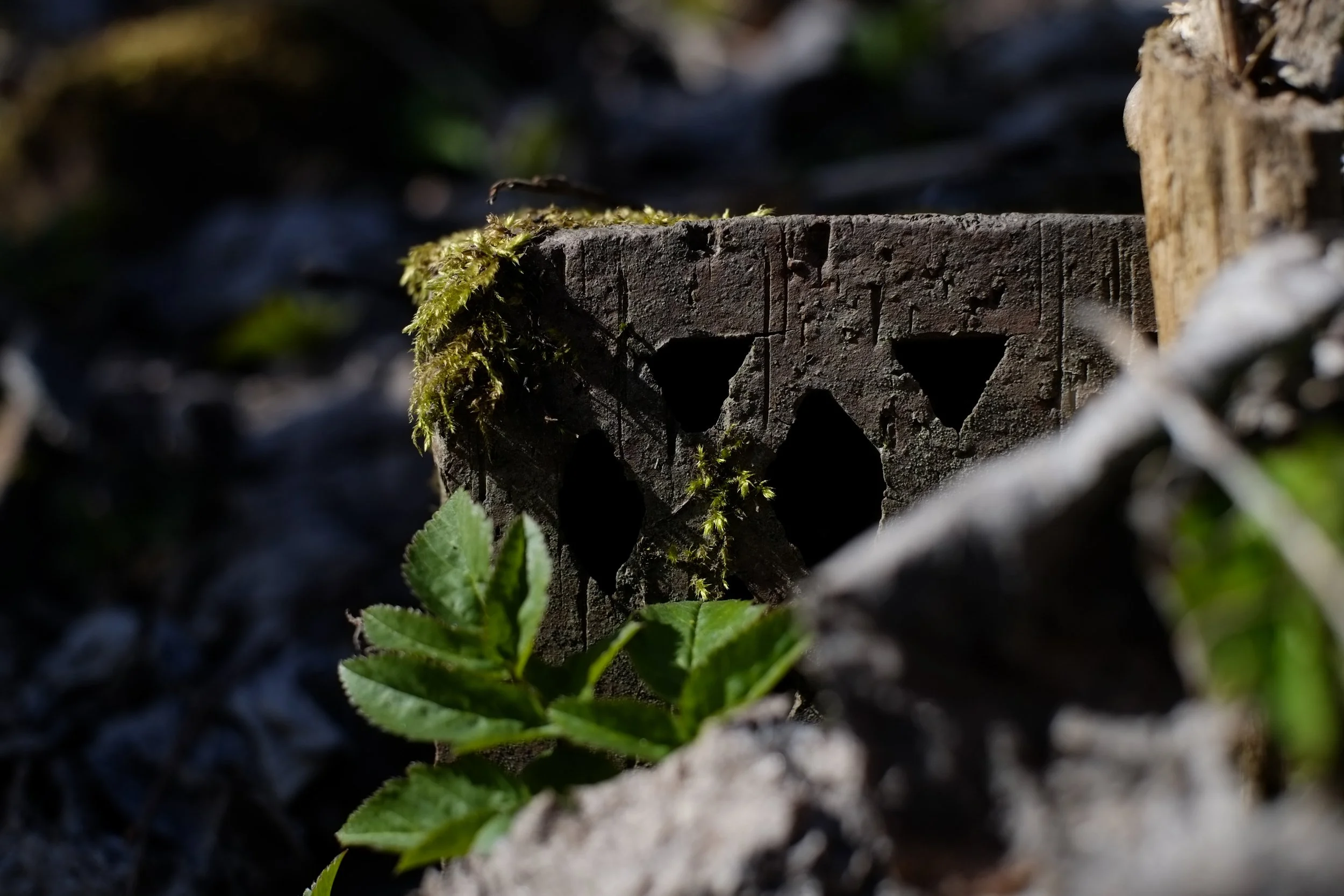
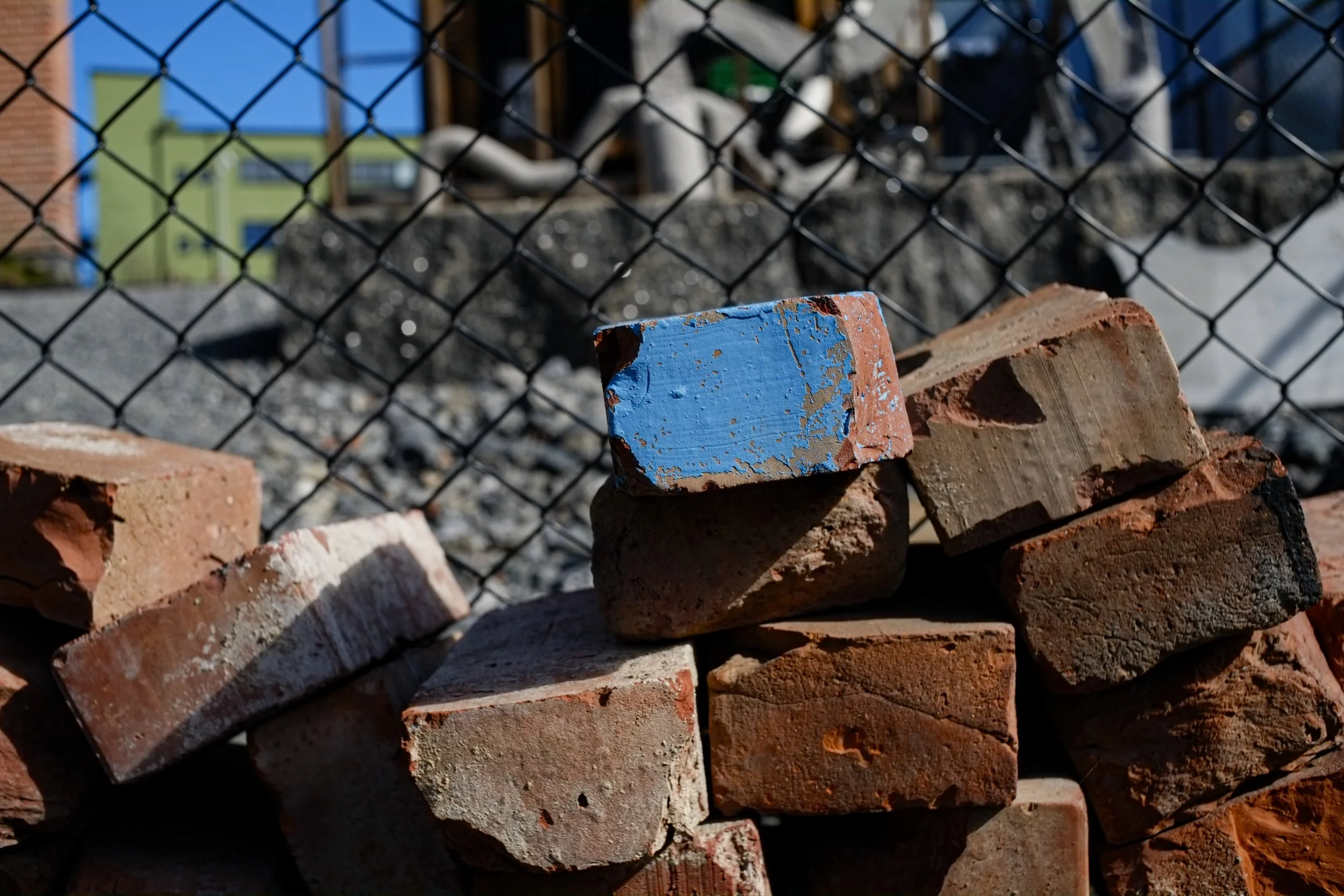
Part of this journey is realizing that gear does not matter — yet at the same time, it is necessary to continue doing what we love, and to become one with your tools to document and tell your stories through photography. This lens, however, had something that truly changed and challenged my manual skills and my perception to the limit. It taught me to accept imperfections, and even embrace them, incorporating them into my work.
I am talking about the widest aperture I have ever shot at — something that can be both a blessing and a problem at times. Yet on the longer road, it offers a chance to focus very precisely on what really is important.
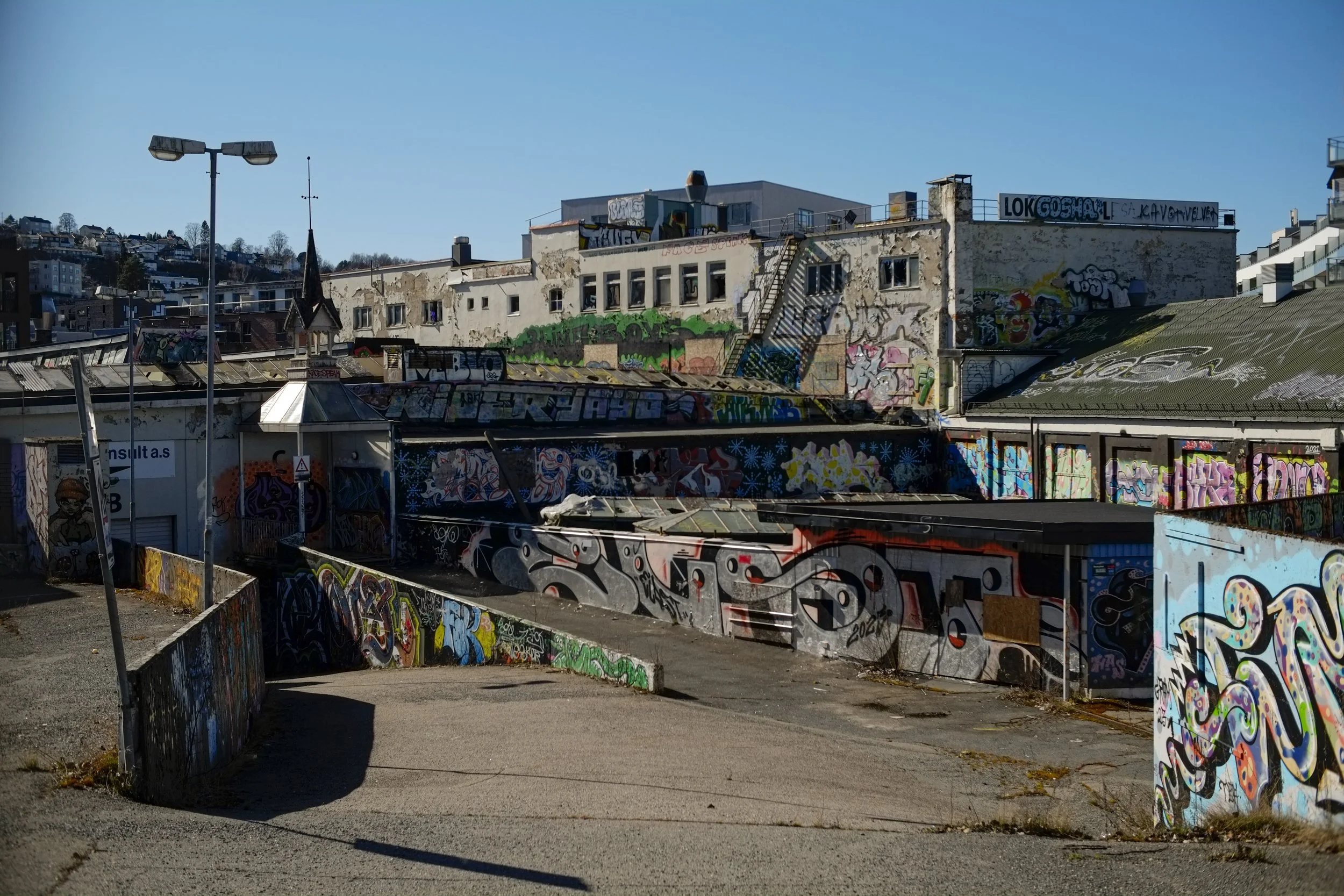
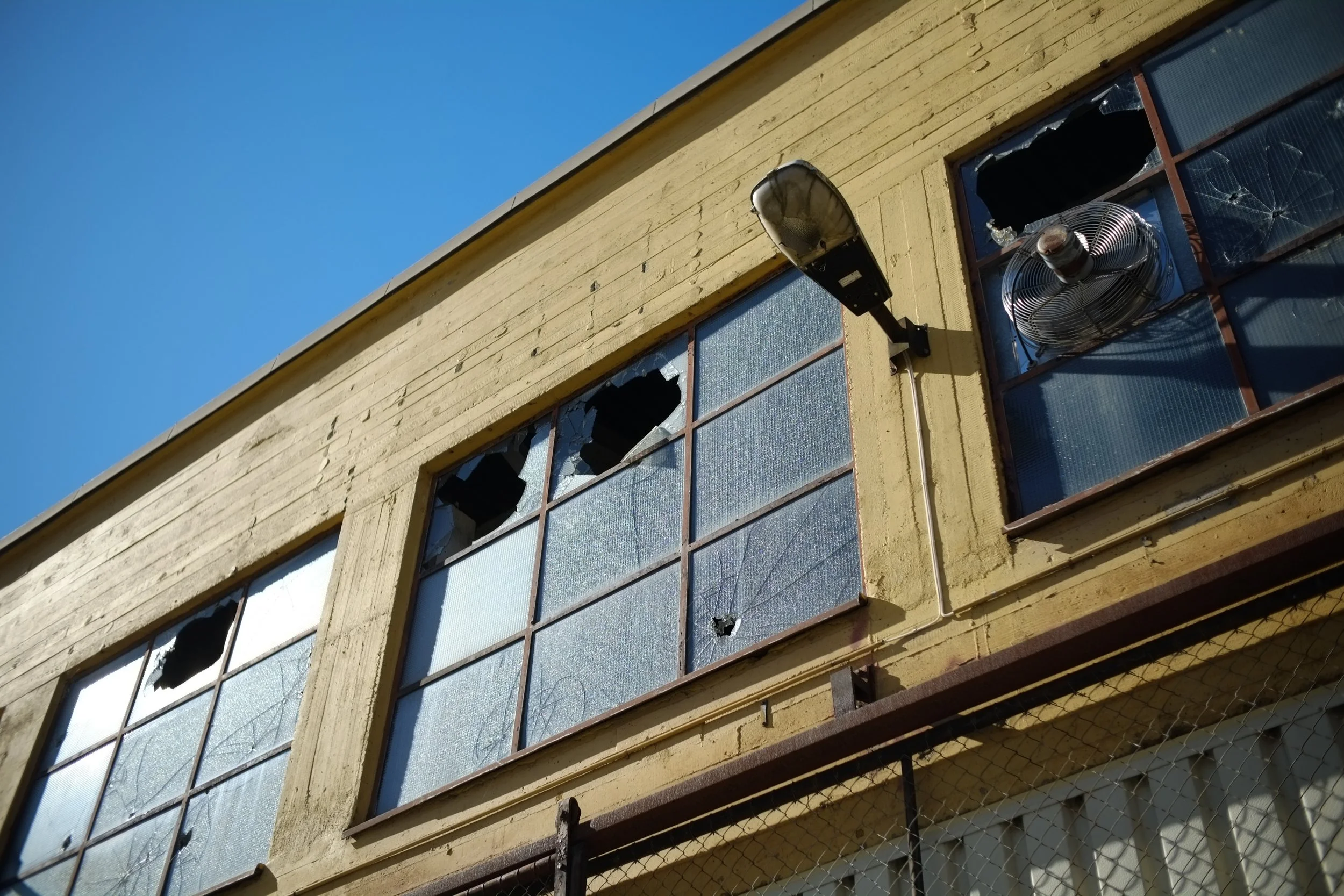
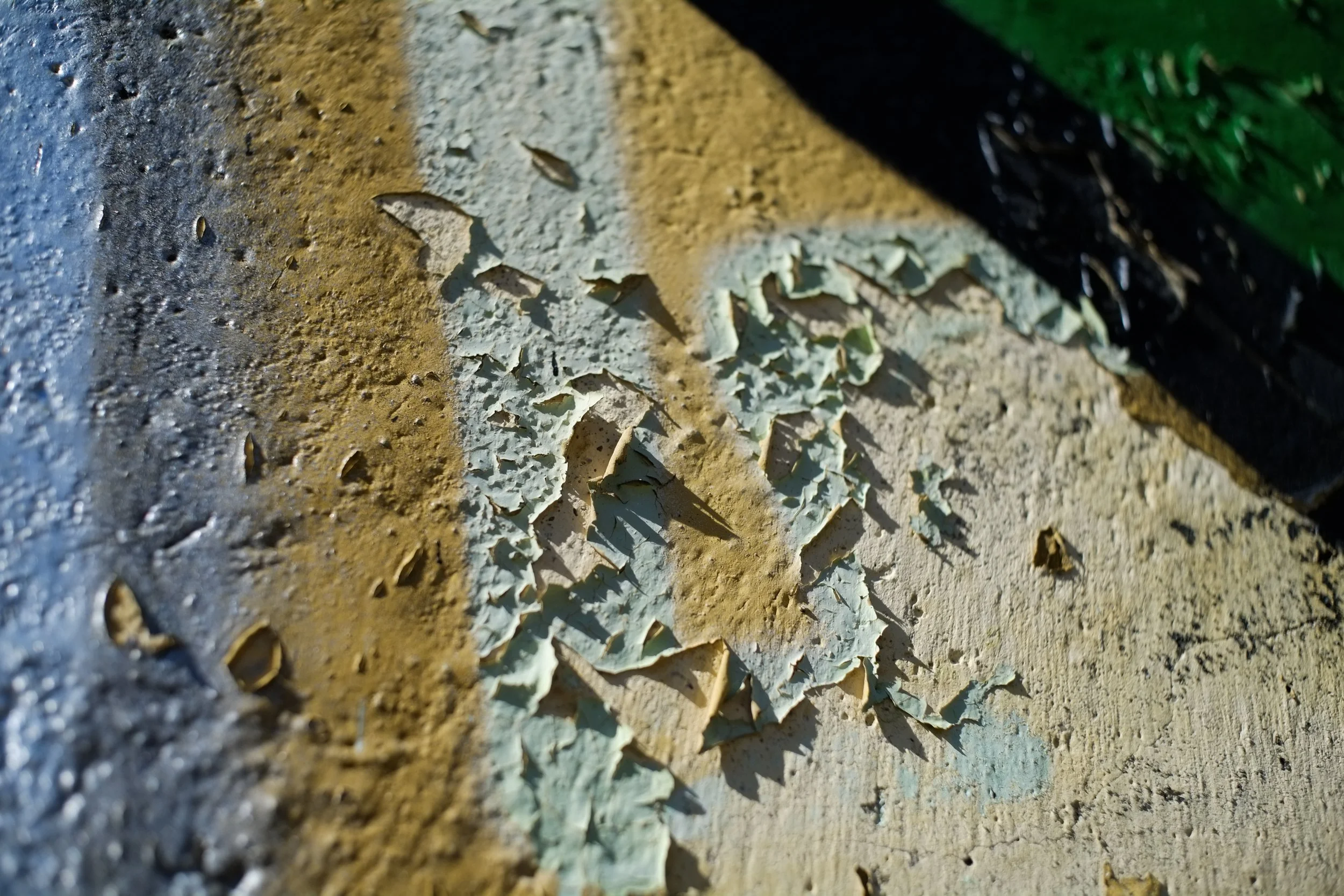
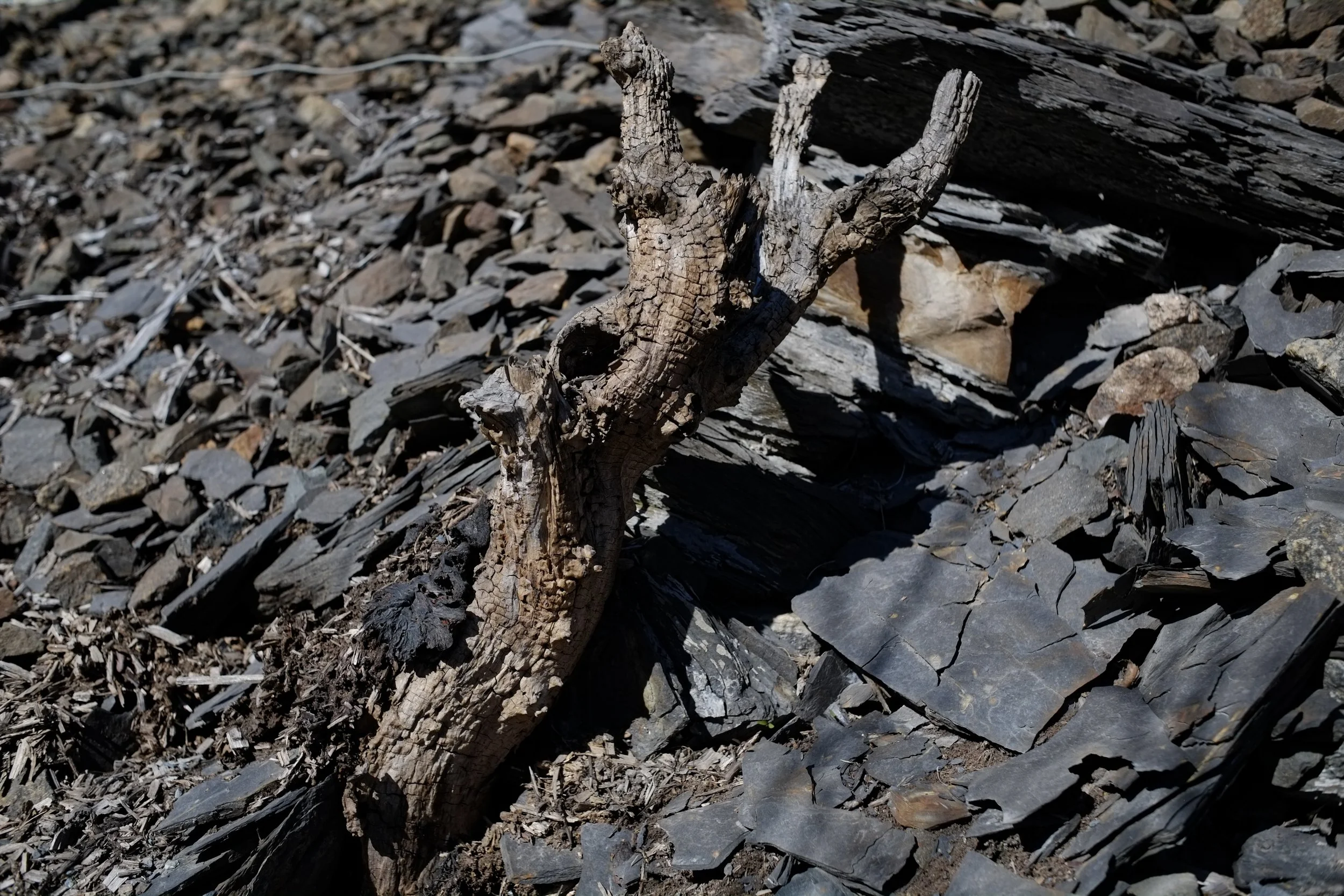
As always, a big promise like that can backfire instantly. Being new to manual focusing, I started at apertures like f/8 and f/5.6, trying to get hyperfocal and, in a very clumsy way, get something sharp, in focus, and interesting in my shots. Years of autofocus and image stabilization can really spoil you, creating a habit of rushing through photographs. But then I remembered that the whole point of this was to change me — and my approach to photography. I got humbled by the work in front of me and slowed down almost to a full stop.
People and fast-moving subjects were out of the question. No more run and gun. Like a kid with my first camera, I tested it again. How does it look used like this? How shallow is the depth of field on signs, trees, walls, benches, and all the items that surround our urban life?
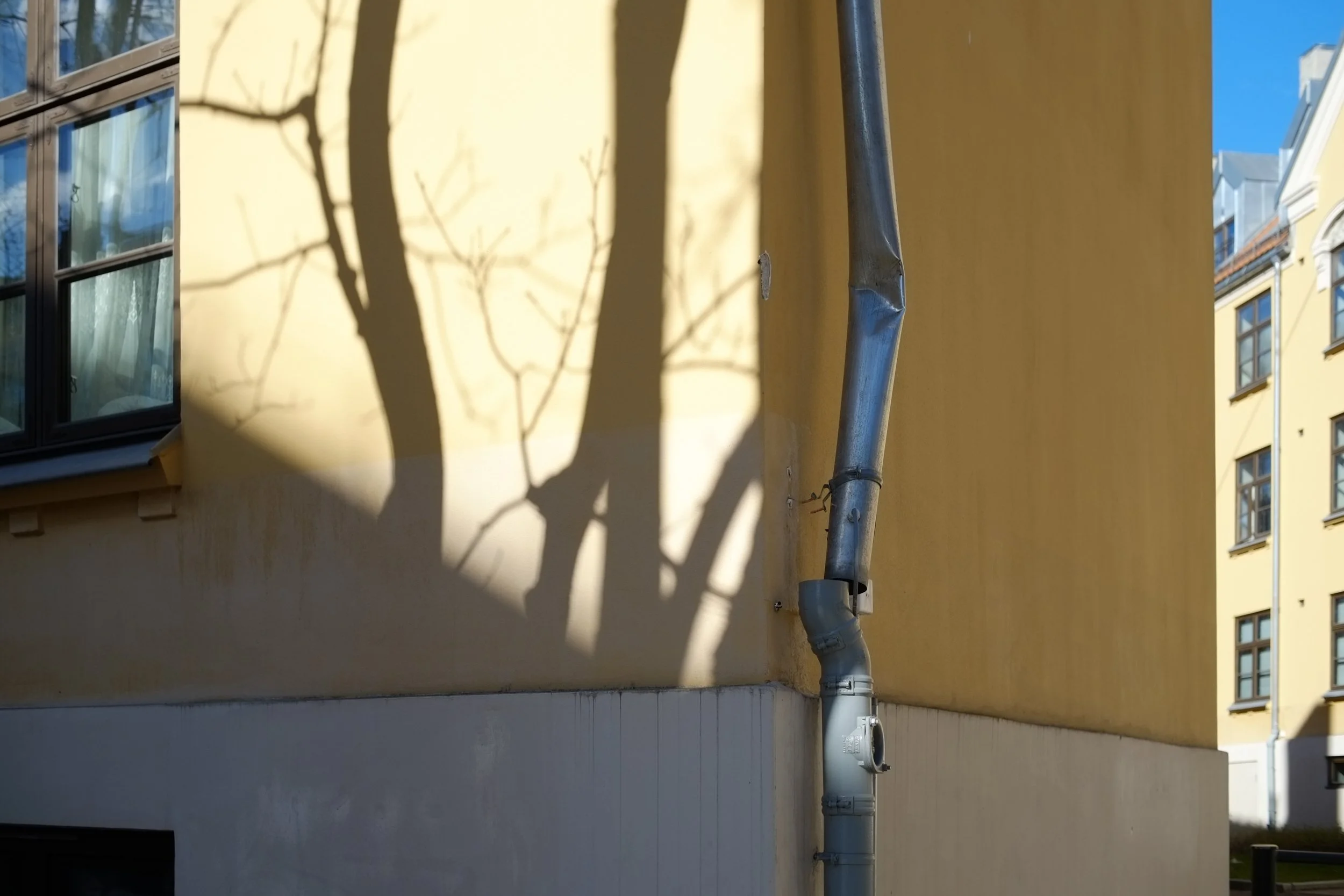
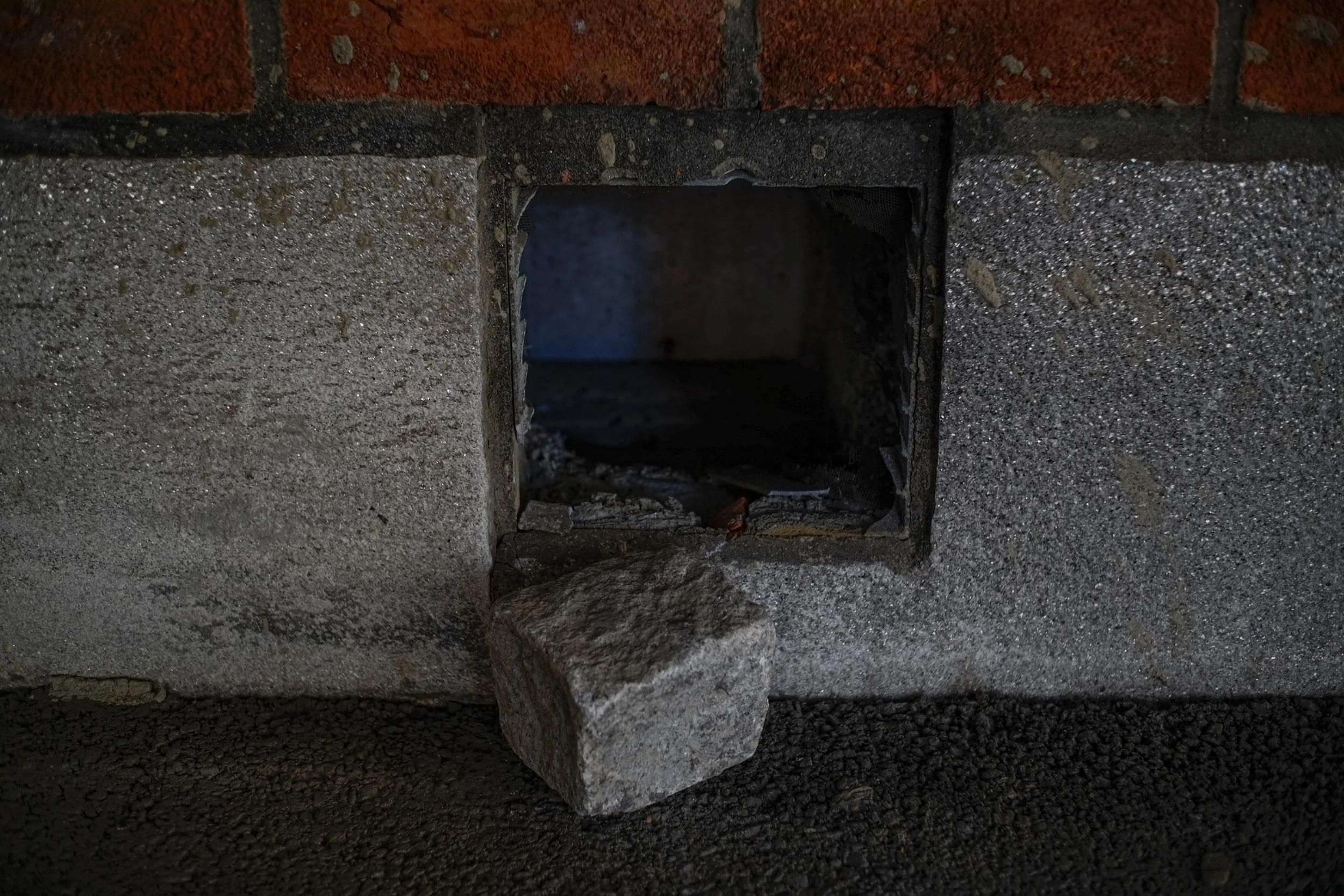
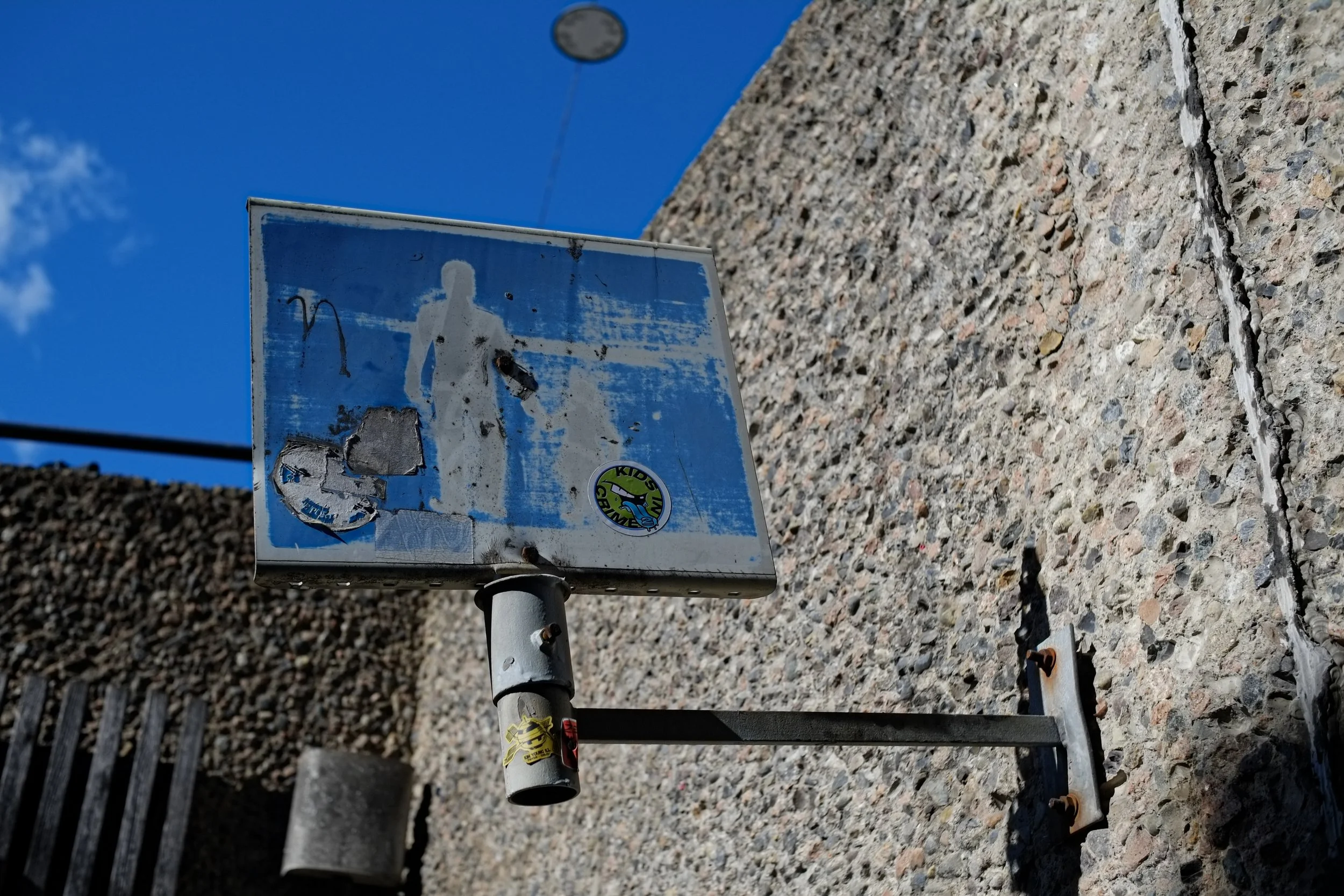
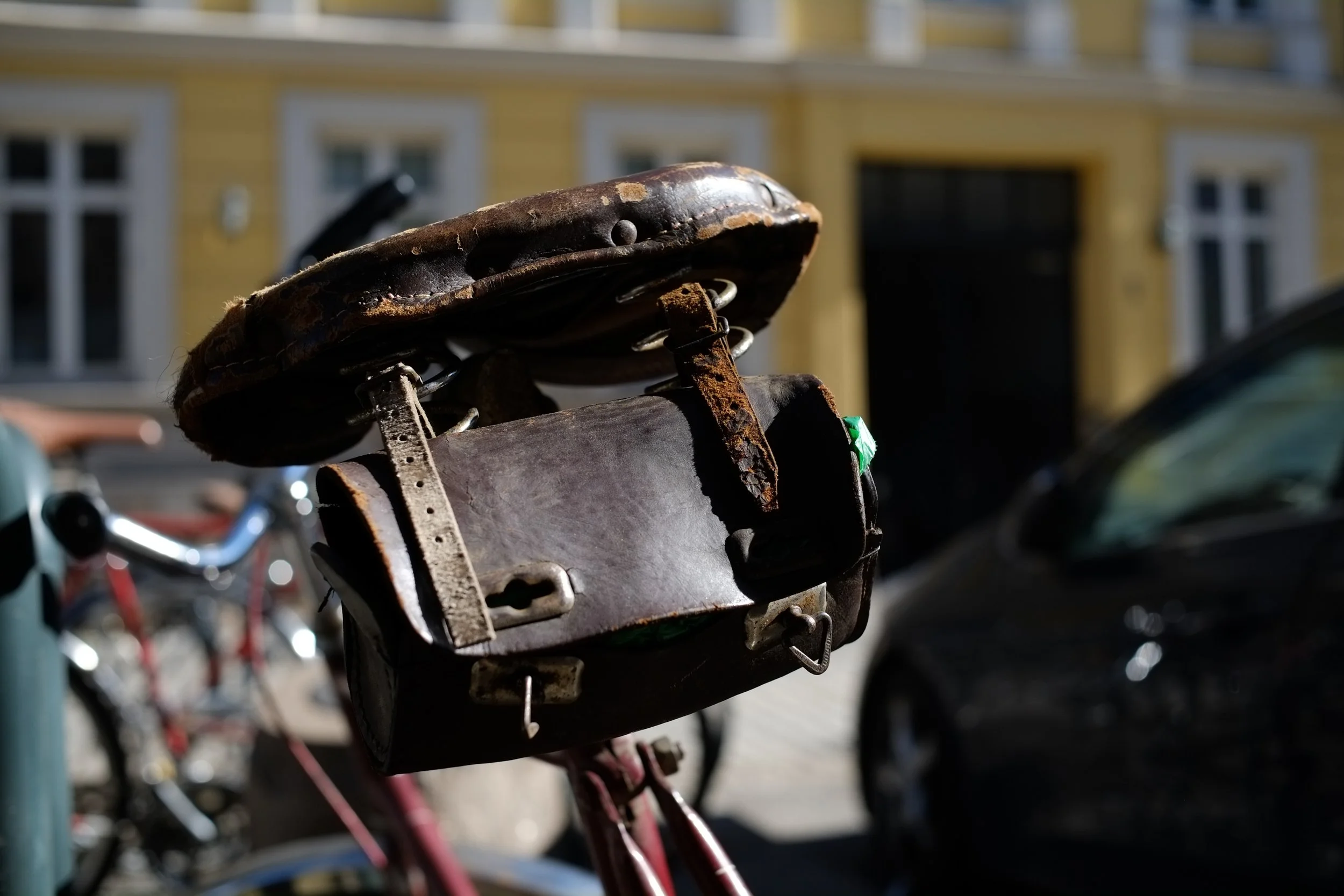
Enjoying these baby steps, I stumbled upon the Japanese concept of wabi-sabi — as I understood it back then, finding beauty in imperfections and in the marks of time on the everyday world around us. It was peaceful and eye-opening. It felt like this part of my life, this camera, and this lens were built for this. I turned it wide open to f/0.95 and carefully explored the world around me.
What I learned is to have fun again. To let go of the pursuit of perfect. And not to take everything 100% seriously — maybe only like 0,95.
