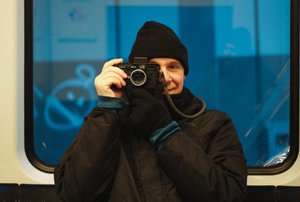
After The Image
I used to capture the moment. Now I build the narrative.
You’ve taken the image. You might have planned the light, the composition, the color palette. Then you post it online. Maybe you’re an introvert, so tagging brands or magazines feels like pushing it. Maybe you don’t even care about likes. But the image meant something to you, enough that you want others to see it, or better yet, feel it.
And then it disappears. Swallowed by the algorithm.
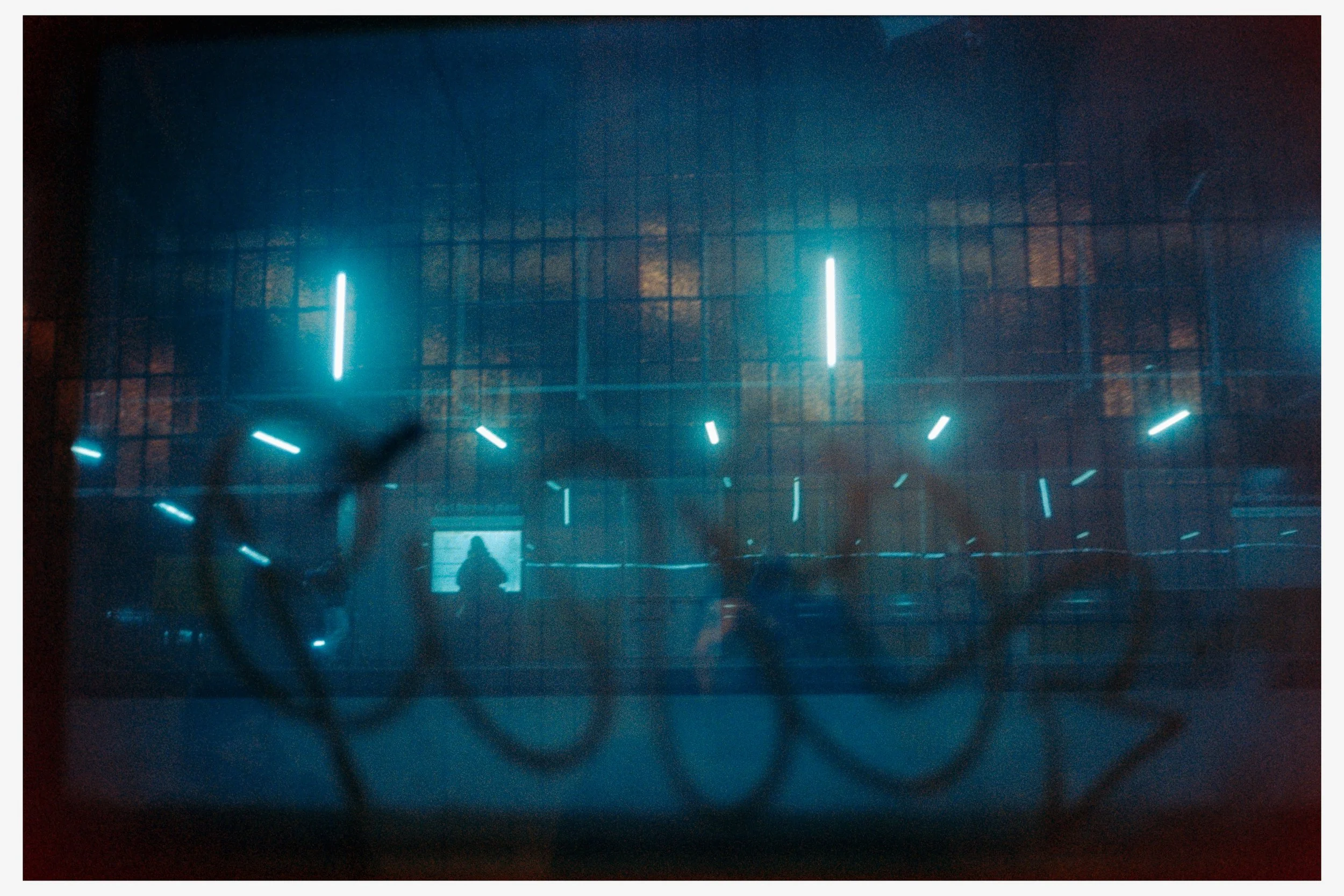
All the work poured into a single frame made me realize something: I wanted to do more with my images. I wanted to add more vibe to them, not so people would understand them better, but so I could appreciate the work I put into each one.
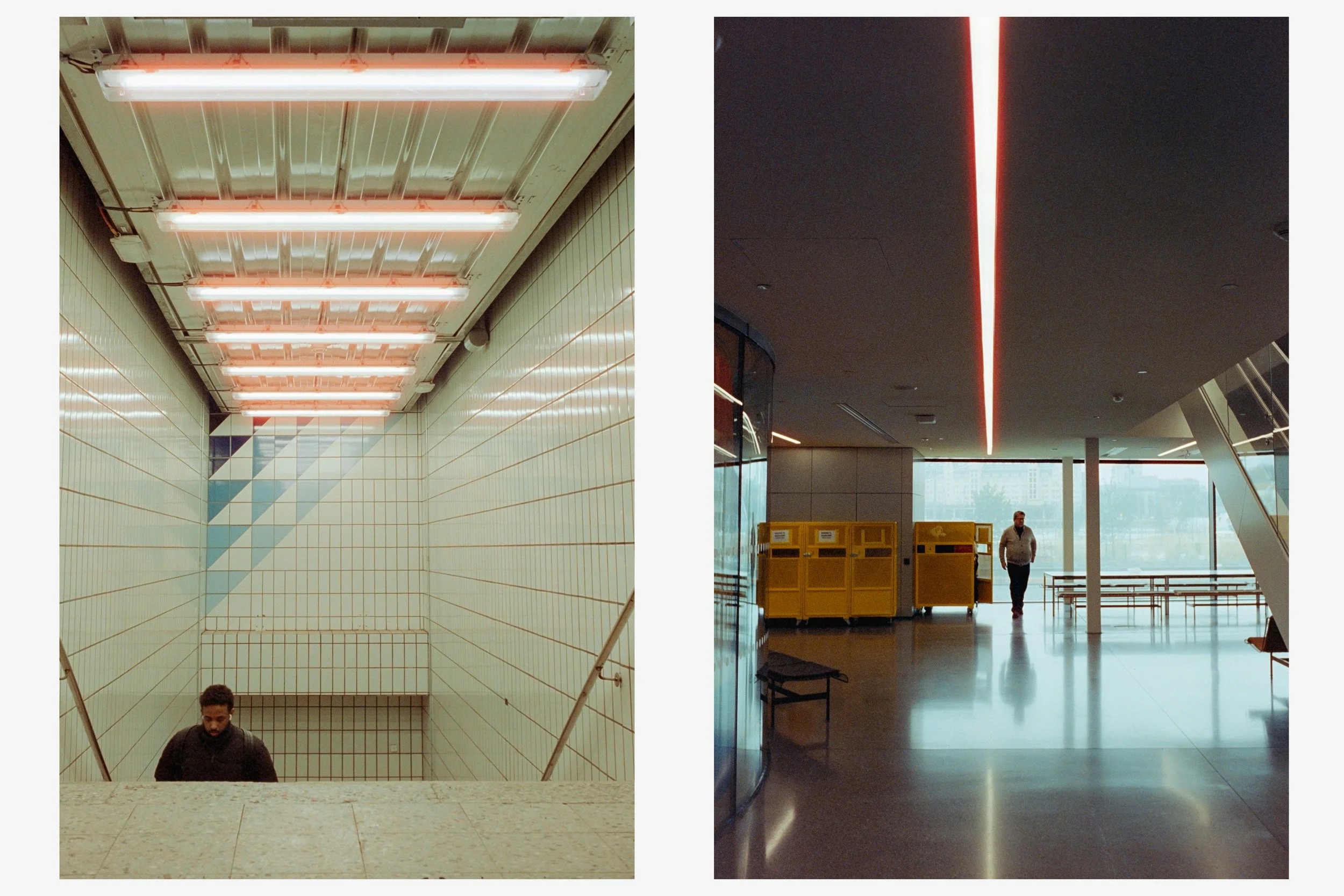
I truly believe that if you have to explain an image, then maybe it isn’t the right image for that person, or probably not a good image in the first place.
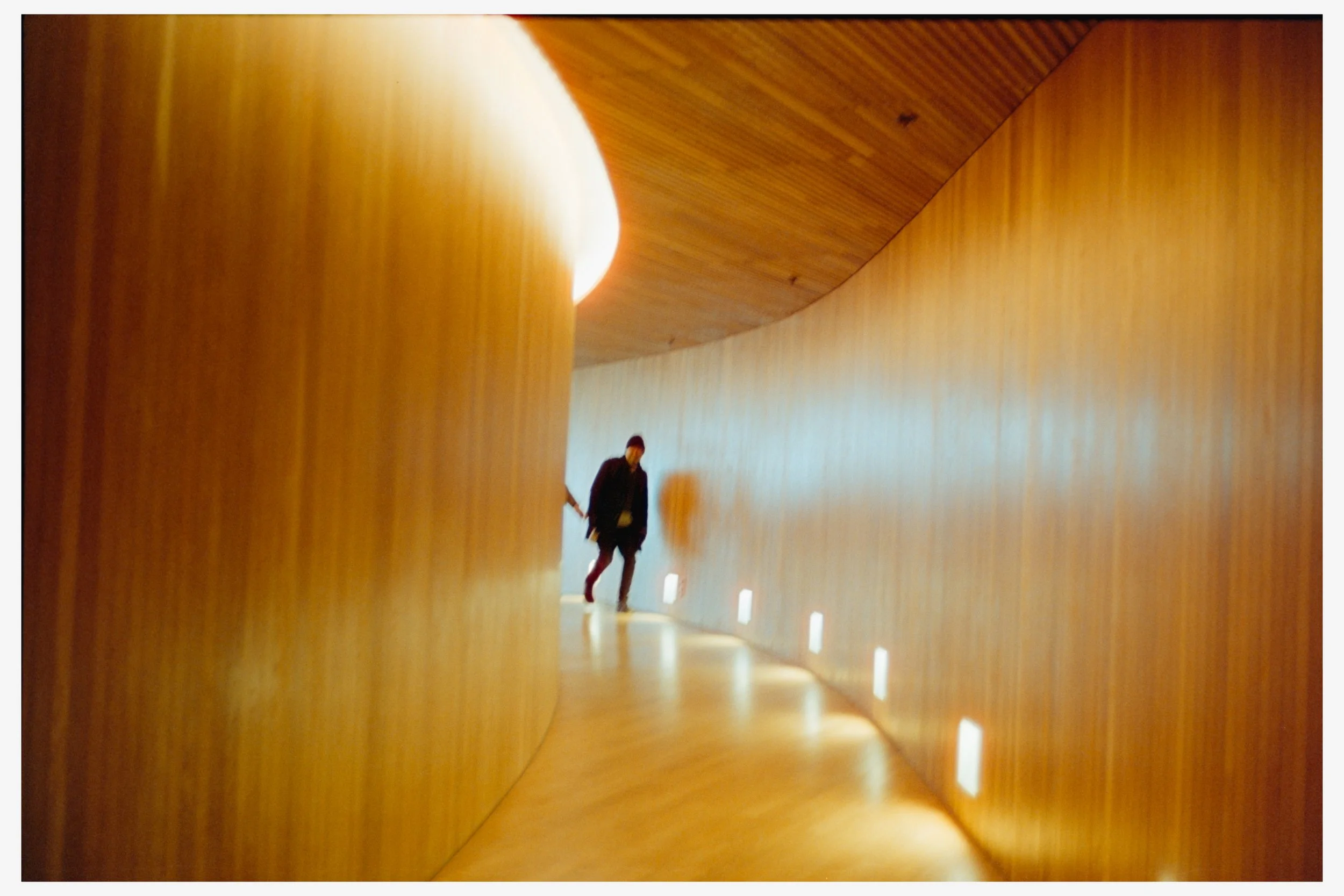
When I make a video, it doesn’t feel like I’m explaining why an image is good. It feels like I’m giving it a story. A second layer. A new image built on top of the original one.
In a world where almost everyone is a “content creator,” I’d love to see more photographers flip their phones and start building more substance around their images. Not more noise, more context.
In today’s post, I want to share a few simple video tips and tricks (all shot on iPhone) that can help you start creating video around your photographs.
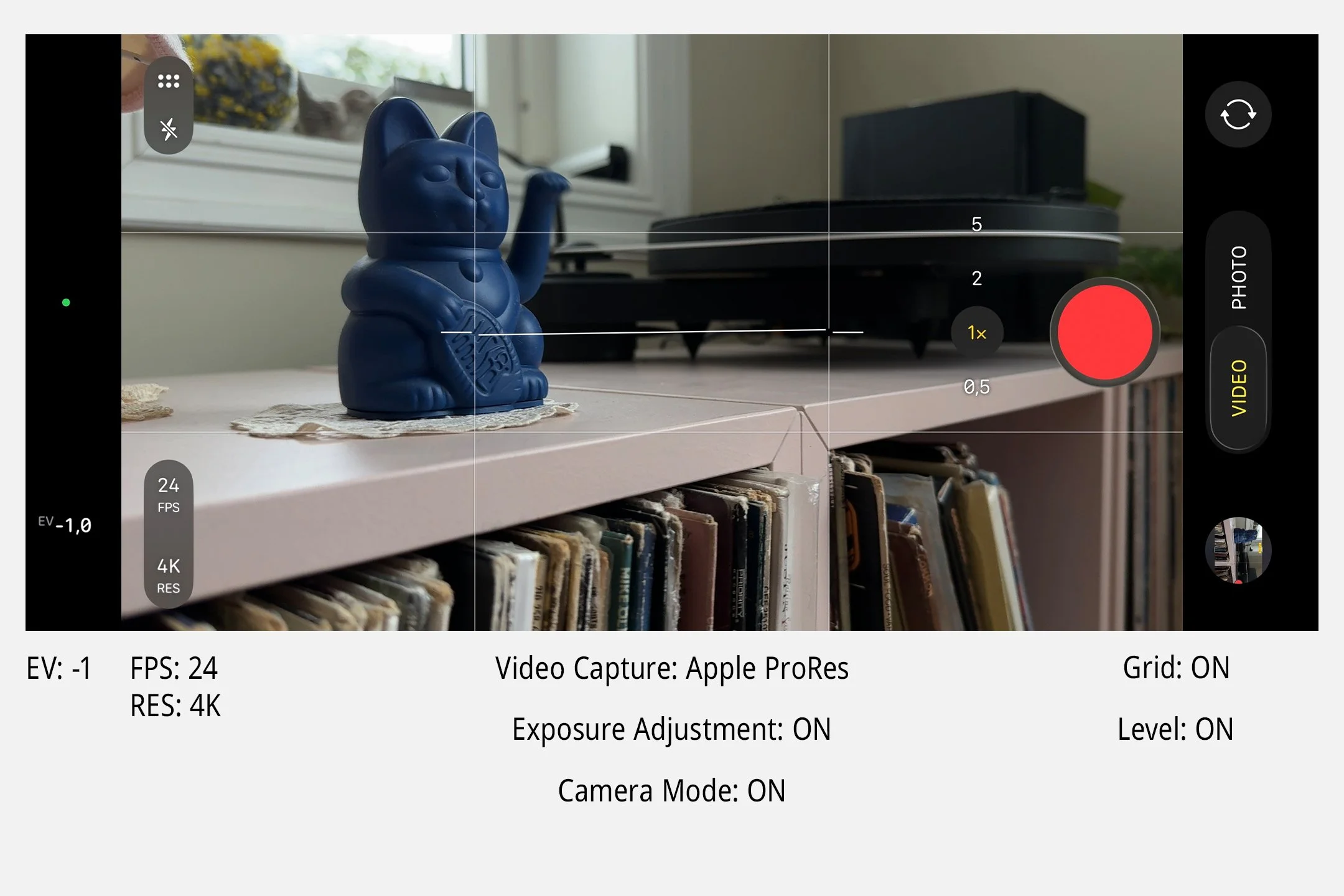
Your eye is already your secret weapon.
Bringing that into a 16:9 format isn’t as hard as it sounds. One thing that helps me a lot is turning on the ´rule of thirds´ grid. It makes shooting more intentional, and in post it helps when stitching clips together and creating smoother, more cohesive transitions.

If you have the time, I’d suggest capturing at least three versions of the same scene: wide, medium, and close. Most of the time I only shoot one, but whenever I do have the space to slow down, I really appreciate having those variations. It gives the edit room to breathe.
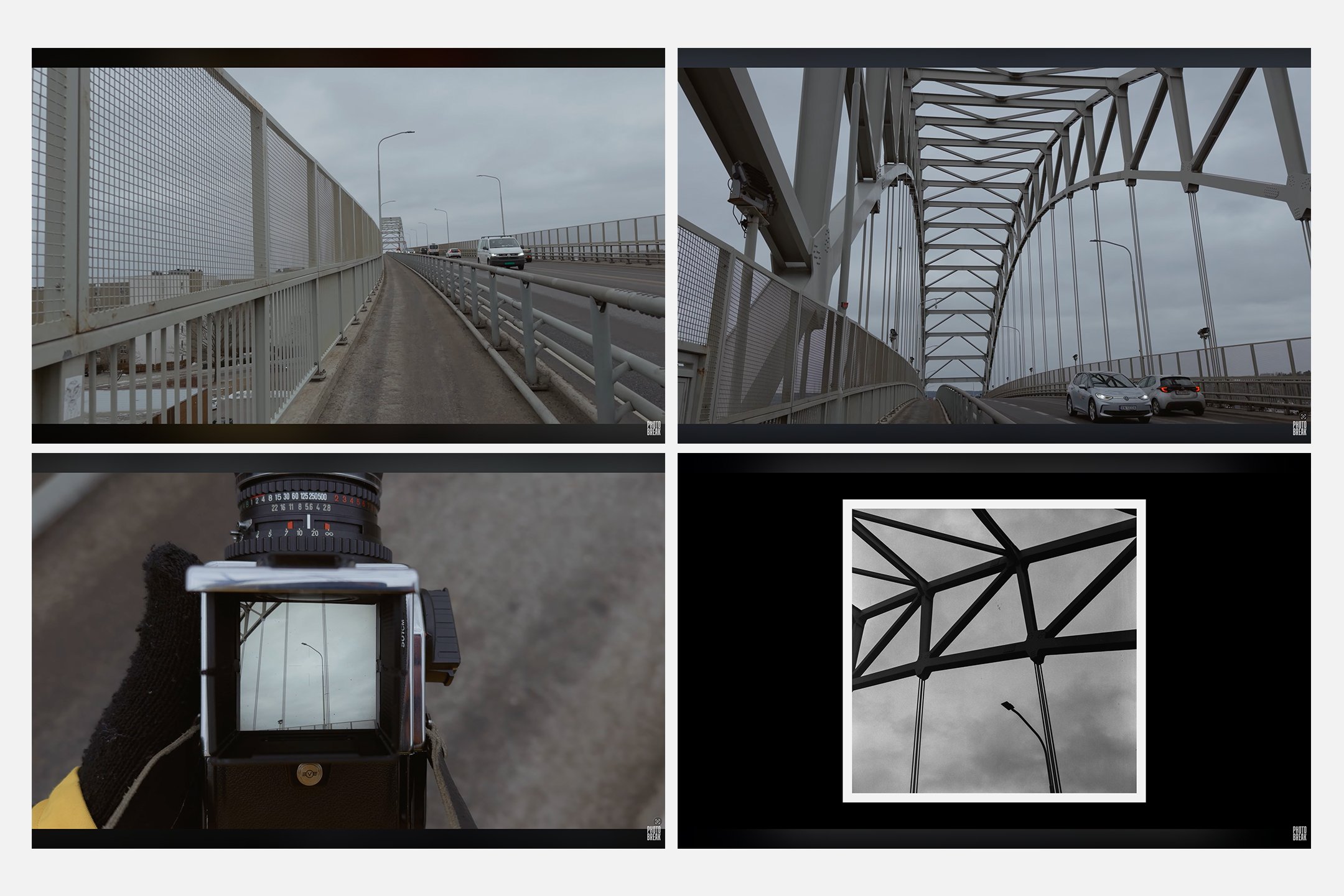
Try to film something with motion in it. When you first compose a scene with your photographic eye, then let the movement play out before the image fully settles, it creates something special. The scene reveals itself.
In my opinion, letting motion lead before the stillness appears makes the image feel more alive.
Color grading feels hard, but it doesn’t have to be.
When I started, I treated video the same way I treated my early digital photos: way too intense.
These days, I keep it simple. I drop a LUT onto the clip and I’m usually done. If I’m feeling picky, I’ll tweak color balance or gently push or pull the shadows, but seven times out of ten, I don’t touch it further.
A few small editing tips that go a long way:
Pick your song first.
Cut on movement.
Match cuts are your friend.
Be aware of where the eye travels between scenes.
Fade sound in and out, and let audio overlap into the next shot.
In my latest video, the focus wasn’t perfection, it was feeling. The one Tom and Thomas and I created during our latest photowalk.
Here it is.