Photographer Tamara Quadrelli 📸
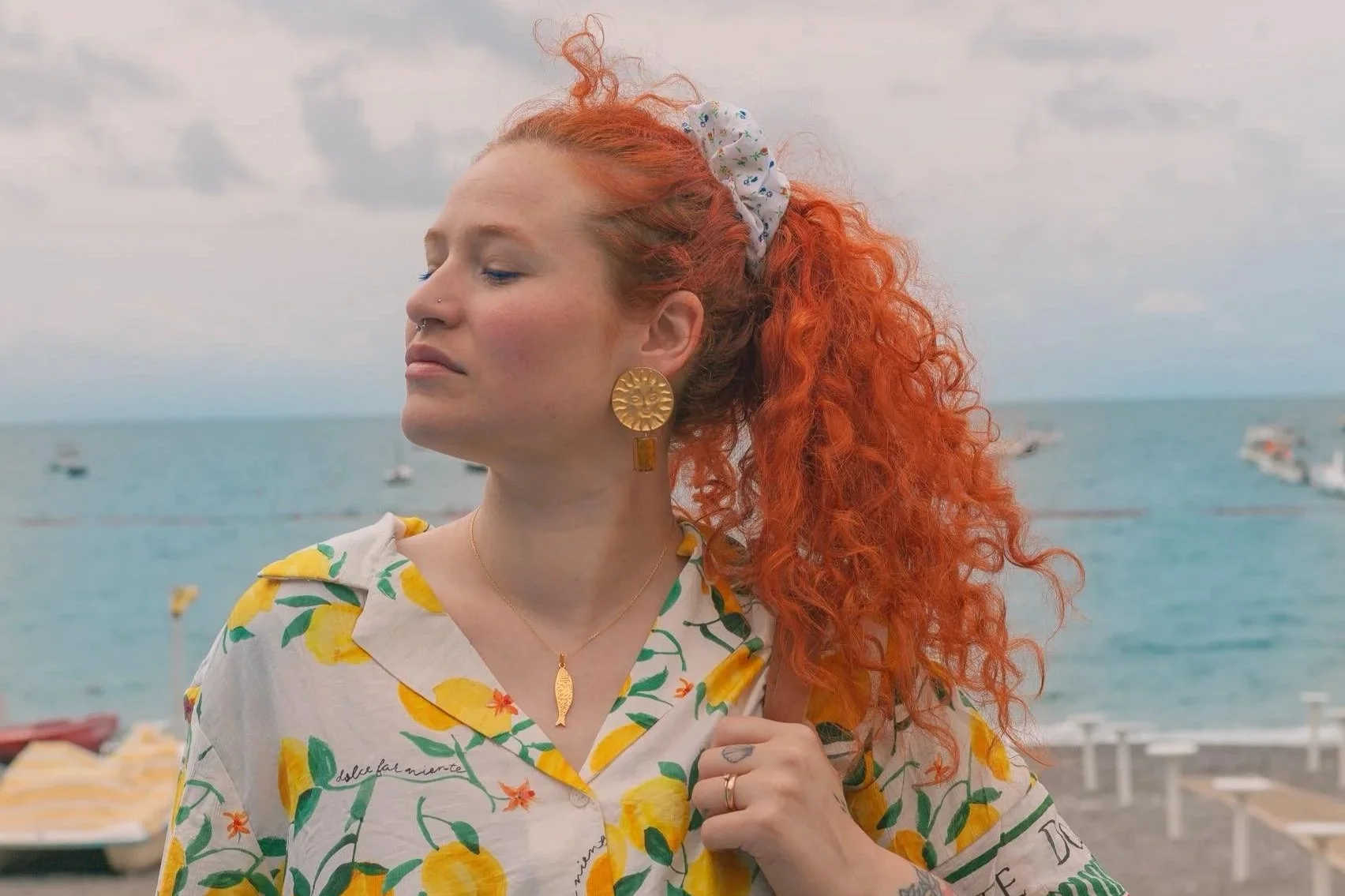
I had the pleasure of interviewing photographer Tamara Quadrelli, an Italian photographer based in the north of Italy.
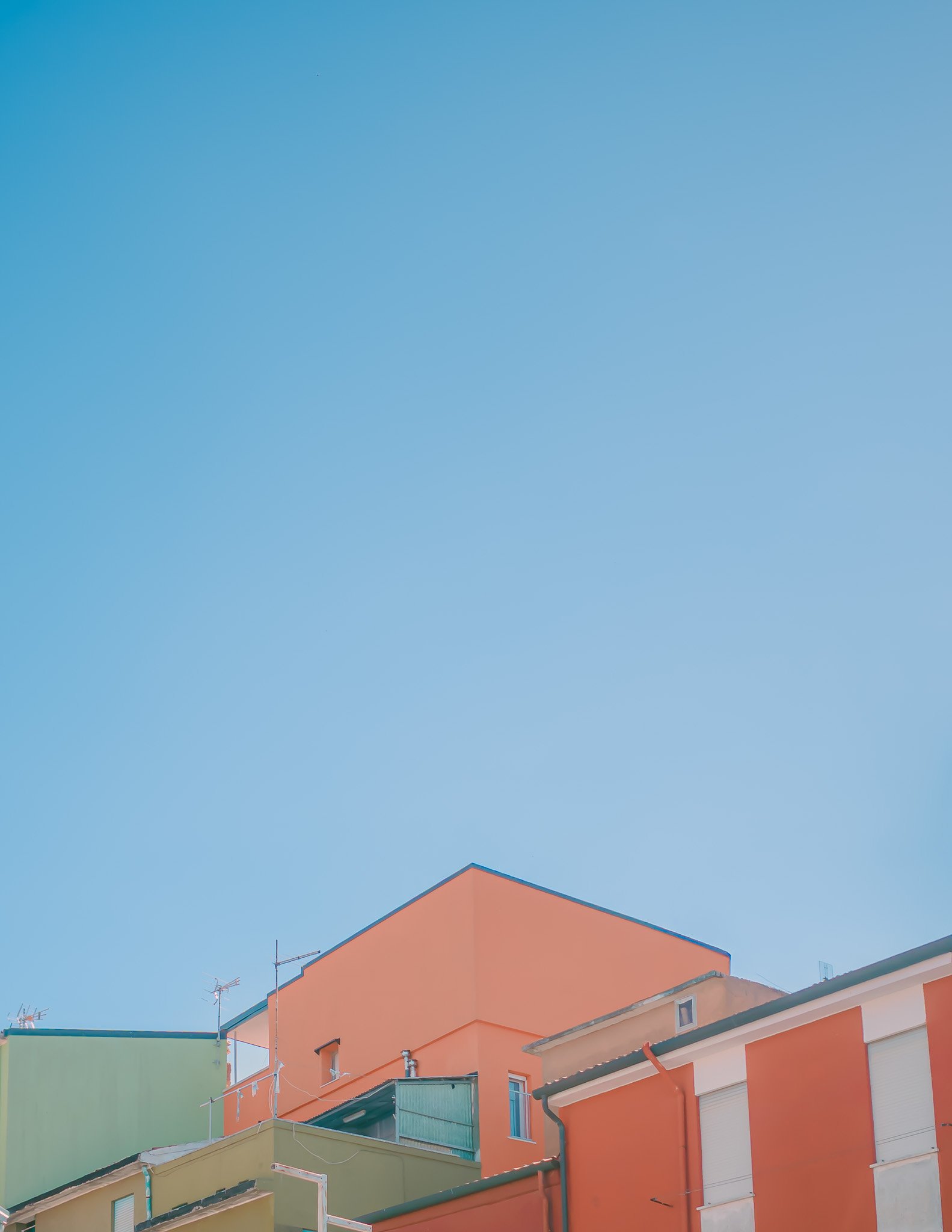
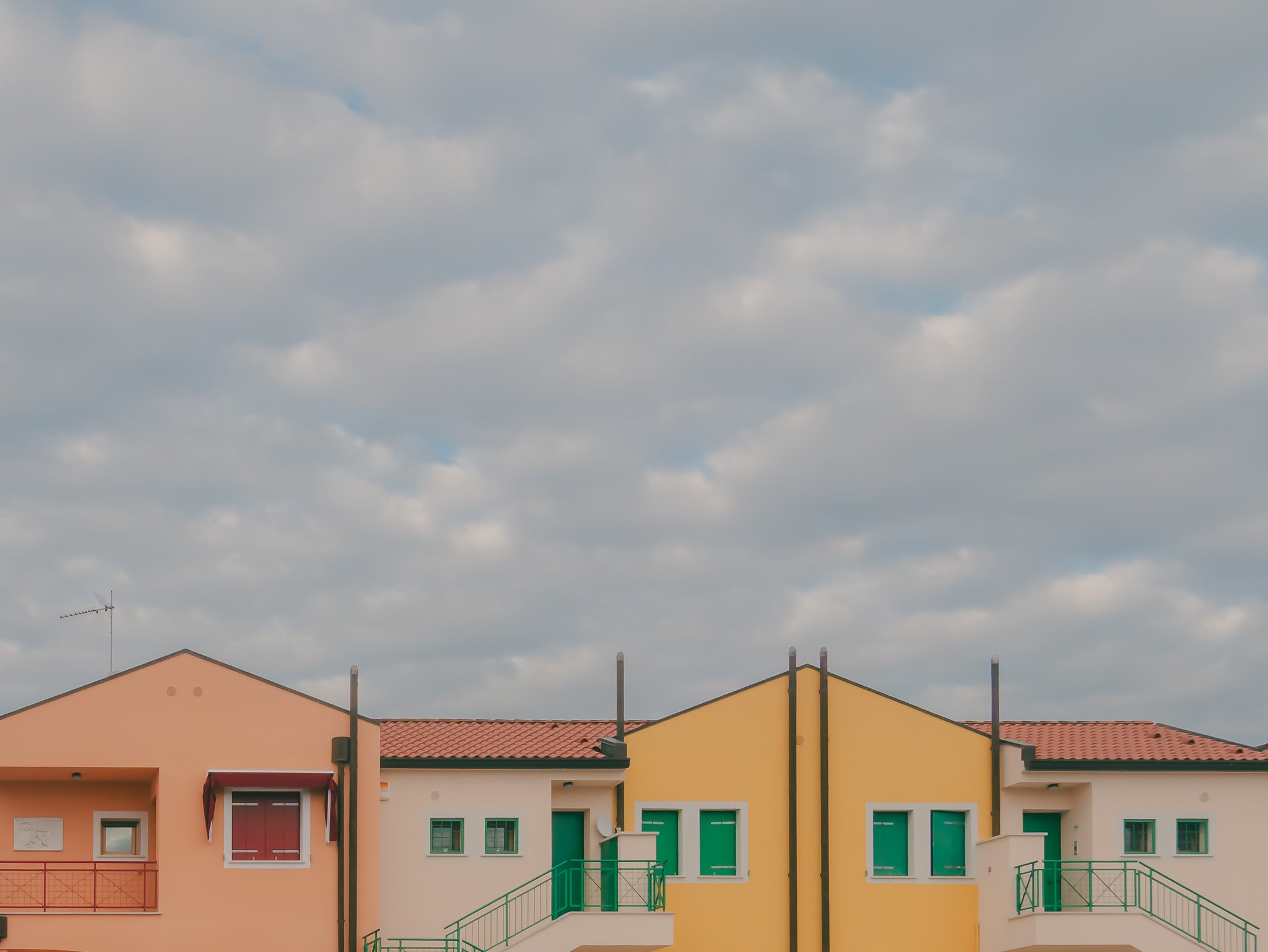
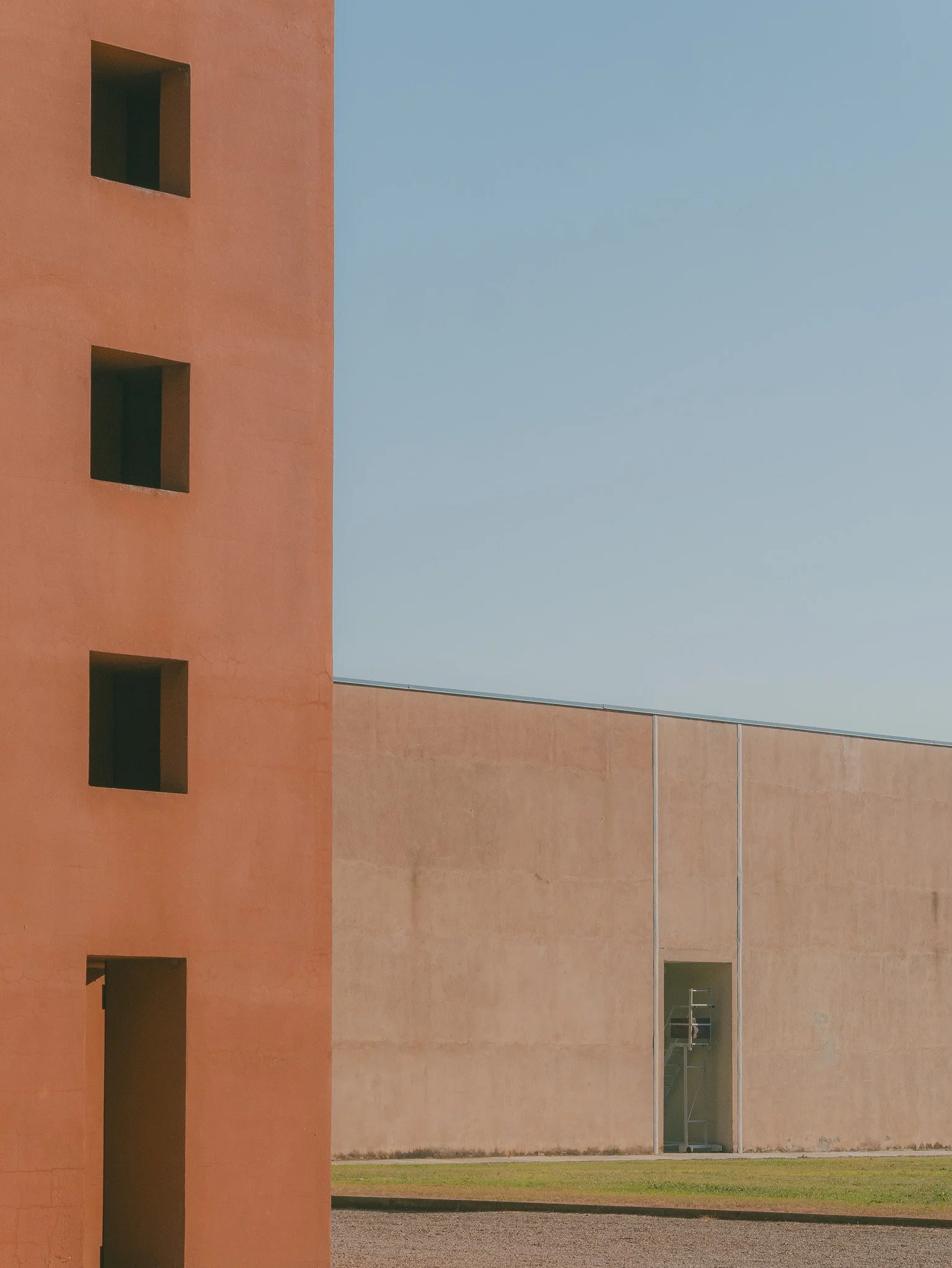
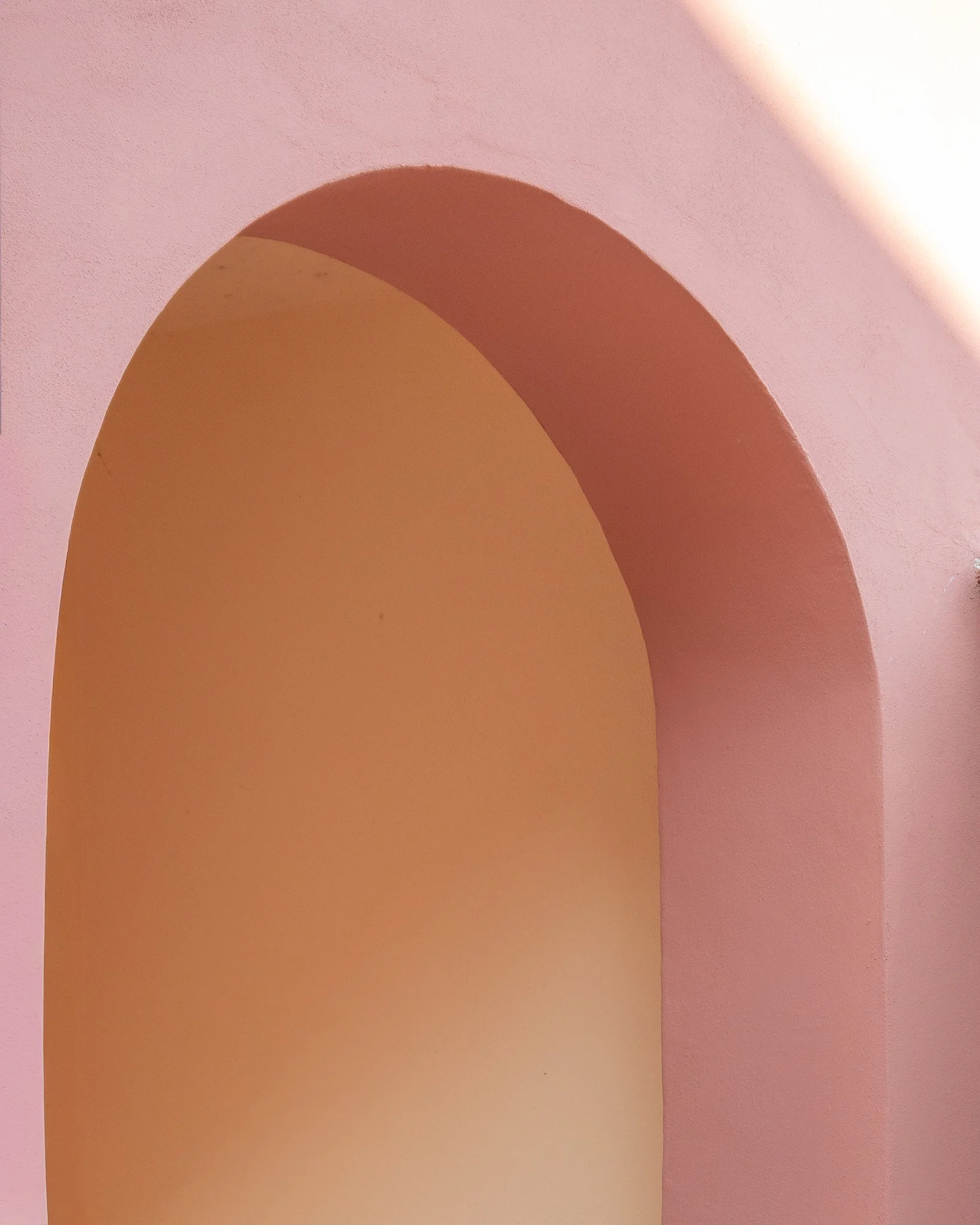
Her work moves through minimalist architecture, color, and light, guided by a quiet attention to atmosphere. She is drawn to how spaces can evoke emotion through simplicity, geometry, and subtle details. Through photography, she explores a more contemplative way of seeing, where everyday places are transformed into calm, carefully balanced visual compositions.
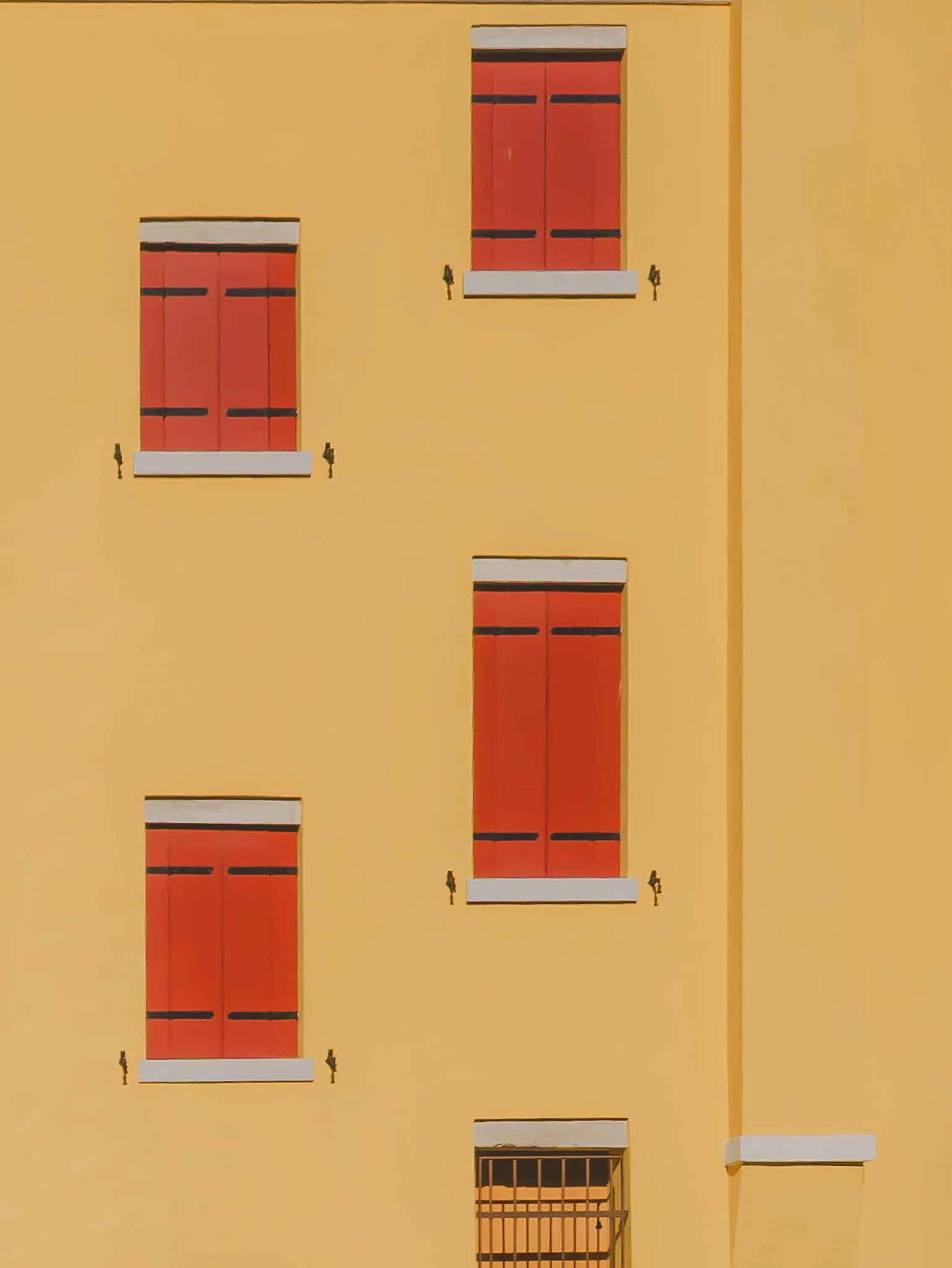
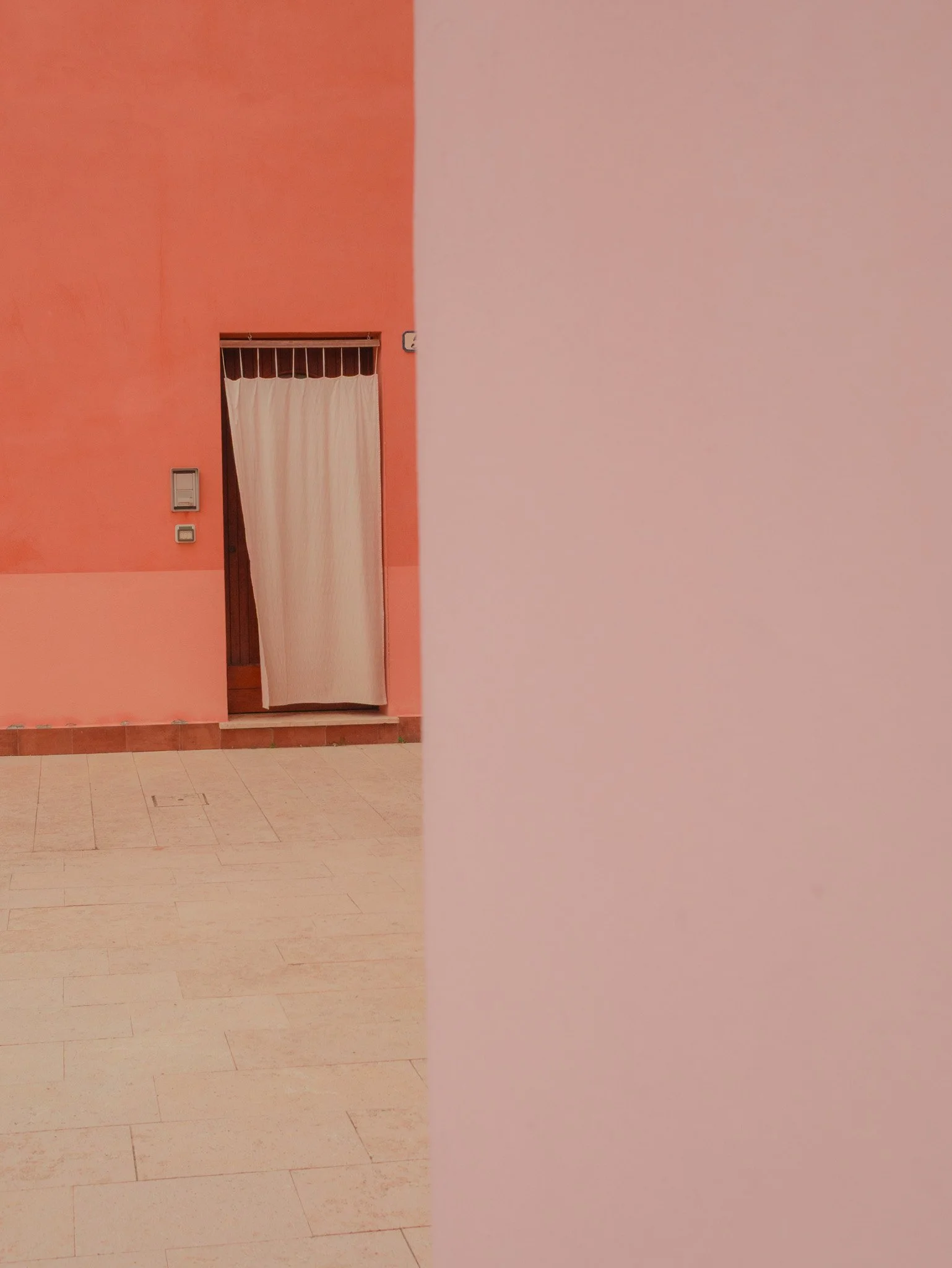
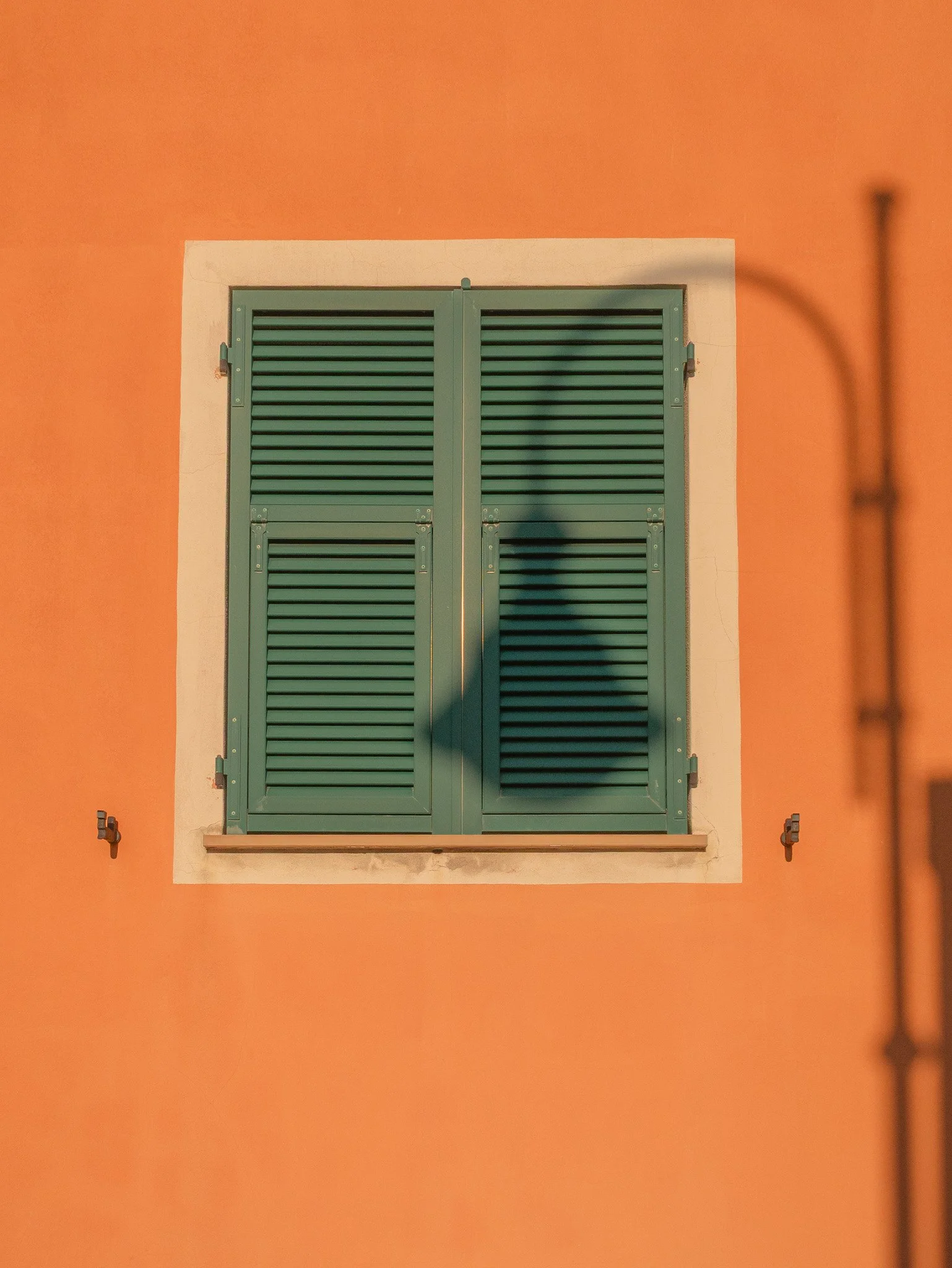
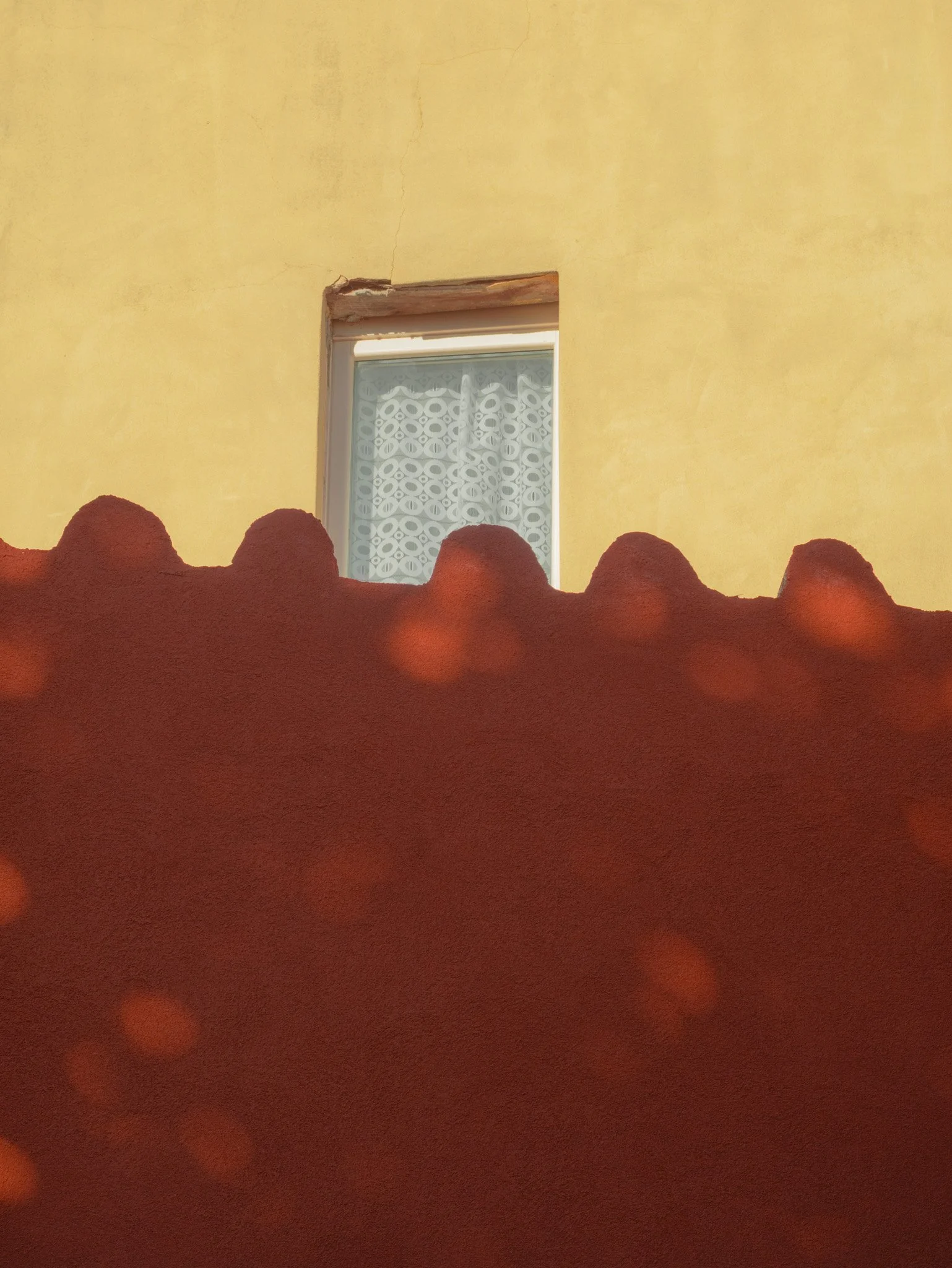
“What excites me most about photography right now is the possibility of creating a silent visual language that feels both personal and universal.” - Tamara QUADRELLI
1. How did photography first enter your life?
Photography entered my life almost by chance. Many years ago, I was working as a social media manager, and I first
approached photography while studying the basics of brand communication and visual content.
At that time, I would have never imagined that photography would become so important to me — in fact, I didn’t even like it very much at the beginning.
Everything changed during the summers I spent in Tuscany, where I grew up with my grandparents. Returning to those familiar places, I began to explore the city with a different gaze. Walking, observing, and photographing slowly became a personal necessity. My photographic language evolved together with me: from brand photography to street photography, and eventually to minimalist architectural photography. What started as a professional tool gradually transformed into a deeper artistic research and a way to express how I see and feel spaces.
2. What initially attracted you to photographing architecture and spaces?
I have always been naturally drawn to spaces rather than people. Architecture offers a silent presence that allows me to focus on form, light, and atmosphere without distraction.
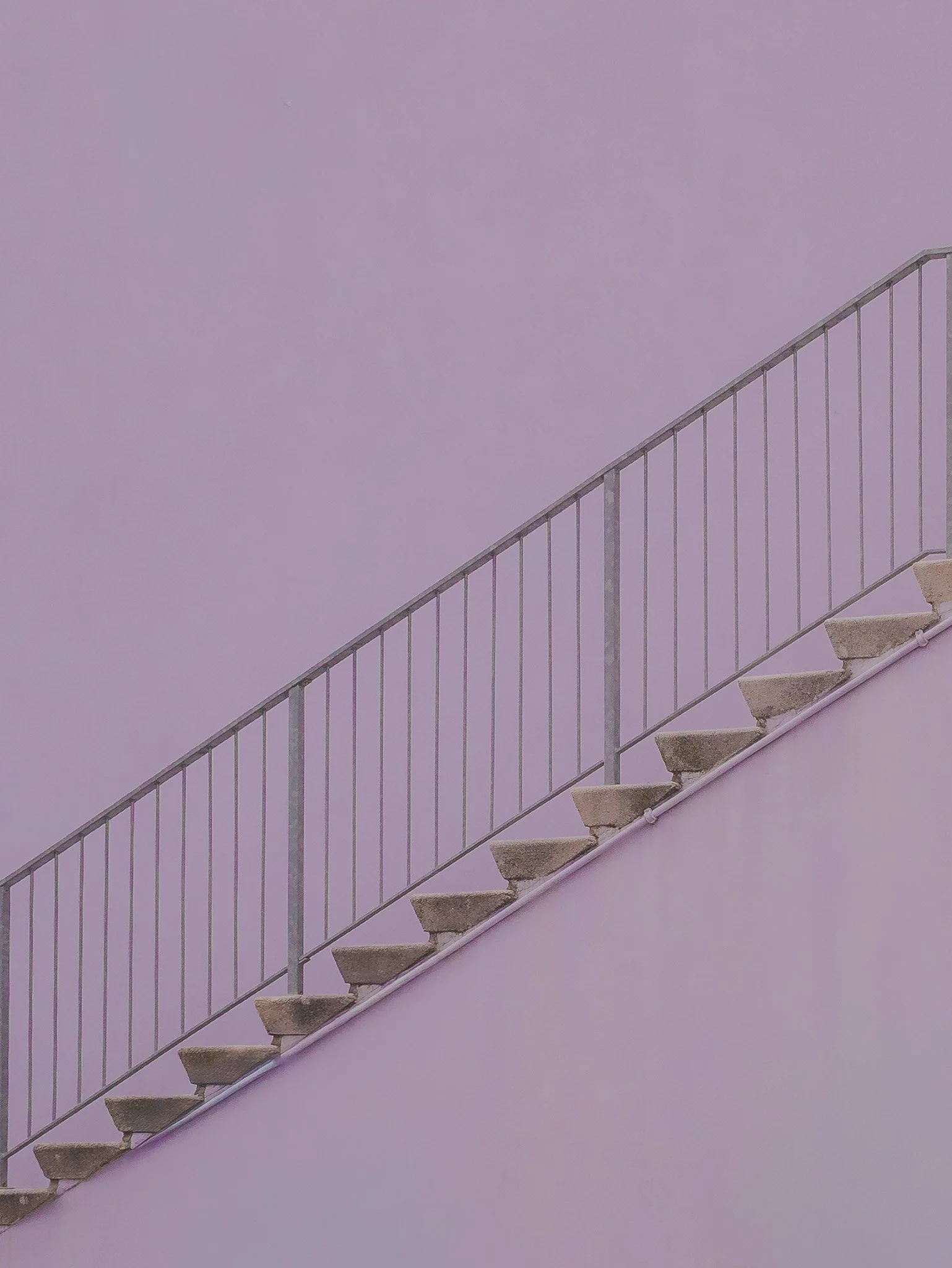
What attracted me most was the possibility of transforming ordinary places into minimal and contemplative images. I am interested in how geometry, color, and light interact, and how even the simplest Architectural detail can evoke an emotional response. Over time, architecture became the perfect visual language for my research: a balance between rigor and poetry, structure and stillness.
3. What usually catches your attention first when you’re out shooting?
Color, light, and geometry are always the first elements that guide my attention. I am deeply interested in how architecture and color influence the way we inhabit spaces and perceive emotions. Through geometry and minimal compositions, I search for moments of quiet within ordinary environments. I observe how light interacts with surfaces, how colors create atmosphere, and how simple architectural forms can generate a sense of balance and stillness. My gaze is drawn to subtle harmonies that often go unnoticed, yet have the power to transform everyday spaces into contemplative images.
4. Do you prefer to work with a clear idea in mind, or do images emerge as you explore?
When I am working on a specific project, I usually go out with a clear idea in mind and focus on that visual direction. However, for most of my work, I allow myself to be guided by what emerges while I explore urban spaces. Walking through the city is an intuitive process for me: when I encounter color, geometry, and a certain visual harmony, I stop and photograph. This balance between intention and discovery is essential to my practice. It allows the work to remain coherent while still leaving space for unexpected moments to appear.
“I believe there are suspended narratives in the places people usually overlook.”
5. Are there specific things you do or places you go back to for inspiration?
Yes, absolutely. Returning to the same places allows me to observe details that often escape at first glance. Color and everyday architecture are central to my research.
I am fascinated by ordinary urban spaces and by the many silent stories they seem to hold. I believe there are suspended narratives in the places people usually overlook.
Going back again and again helps me to see more deeply, to notice subtle changes in light, atmosphere, and color, and to build a more intimate relationship with the spaces I photograph.
6. How would you describe your photographic style to someone seeing your work for the first time?
I often describe my work as a quiet confidence in the ordinary. For clarity, I define myself as a minimalist architectural photographer investigating the relationship between color and urban space within contemporary Italian architecture. Through my images, I build visual atlases where marginal places, surfaces, and geometries become perceptual
tools for understanding how we inhabit space. I am interested in transforming overlooked environments into composed,
contemplative images where color and form guide the viewer toward a slower and more attentive way of seeing.
7. What role does light play in your decision to press the shutter?
Light is a fundamental element in my work and often determines the moment of the shot.
I prefer sunny days because light enhances color and allows shadows to define their own geometries. The interaction between light and architecture creates depth, balance, and rhythm within the frame. Very often, I wait for the precise moment when light, color, and form align. Only then does the image truly exist for me.
8. How much time do you typically spend observing a scene before photographing it?
It really depends on the image. Sometimes a scene appears immediately and feels almost complete from the first moment I see it. Other times, I spend a long time observing and
waiting for the right light or the right balance within the frame. There is always a dialogue between intuition and patience. I often wait until the scene matches the image I already see in my mind before pressing the shutter.
9. Do you see your work more as documentation or personal interpretation?
I see my work as a personal interpretation rather than documentation. I am interested in elevating the everyday, where color becomes a structural element of memory.
Through my photographs, I construct a vision of the world in which minimalism and color are not only aesthetic choices, but a language through which memory remains attached to surfaces and walls. To borrow a thought from the Italian writer Gianni Celati, I am drawn to an intense observation of the ordinary, a way of looking that reveals
The poetic dimension hidden within banal spaces.
10. What excites you most about photography right now?
What excites me most about photography right now is the possibility of creating a silent visual language that feels both personal and universal.
I am increasingly interested in building coherent visual narratives where color, light, and minimal forms become tools to explore memory, stillness, and the emotional presence of space. Photography allows me to transform ordinary places into suspended atmospheres, somewhere between reality and contemplation.
At this stage of my journey, I feel the desire to continue refining my visual research and to share it with a wider international audience, while remaining faithful to a slow and attentive way of seeing.