Decisive Moment vs. Feeling
Why I choose experience over perfection
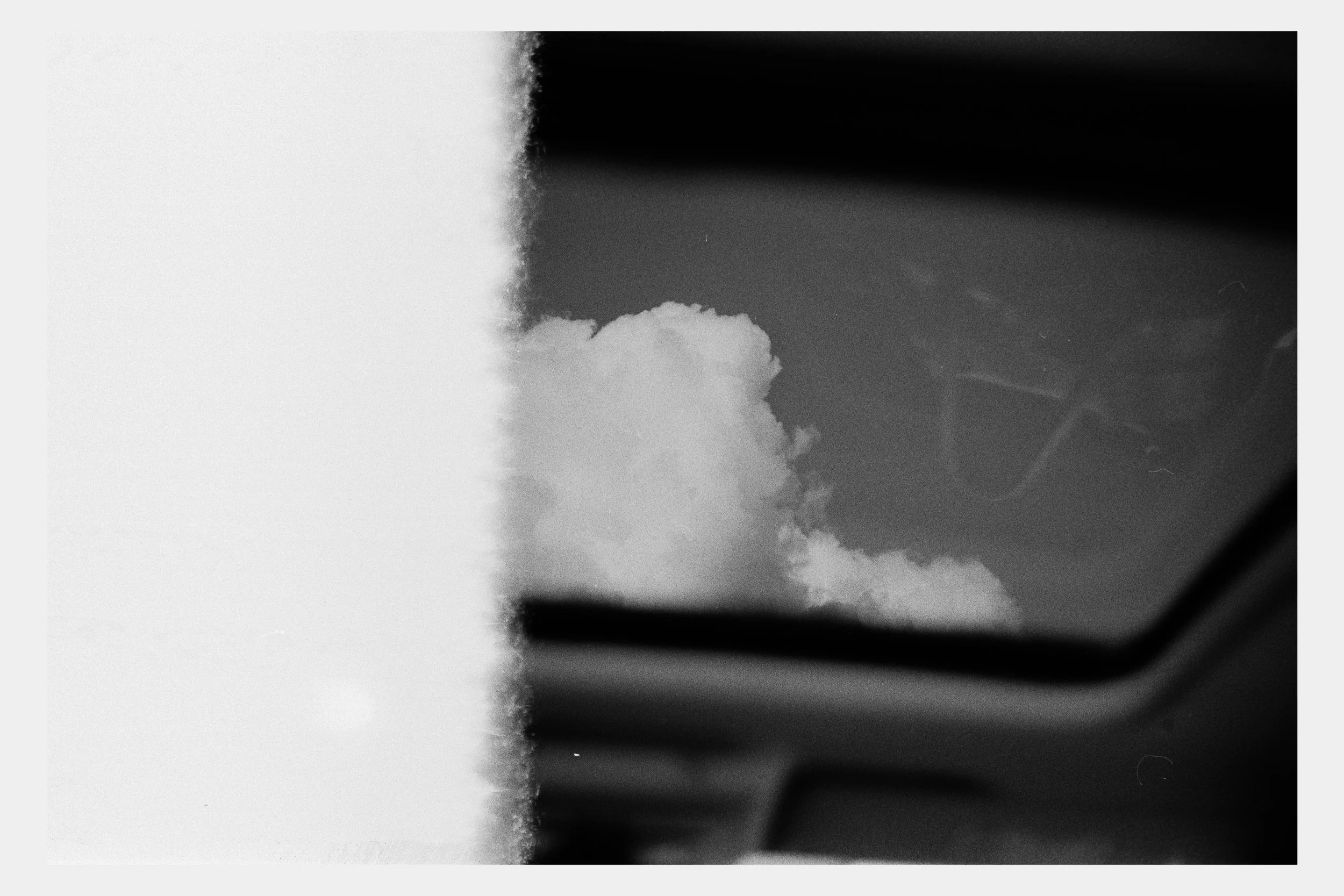
If the decisive moment was all that mattered, photography would look very different. We would walk around filming everything, pulling screenshots later. We would shoot burst mode constantly, wildlife photographers disguised as street photographers. And yes, some people do exactly that, and of course, that’s fine.
What I want to challenge is not how people shoot, but where we place importance in photography today.
This also explains why I keep choosing film over digital, at least for now, in 2026.
Digital gives us incredible freedom, precision, and efficiency. There are many good reasons to choose it.
None of those advantages solve the issues I’m trying to work through in my photography.
For me, the decisive moment is not the goal.
It’s just a bonus.
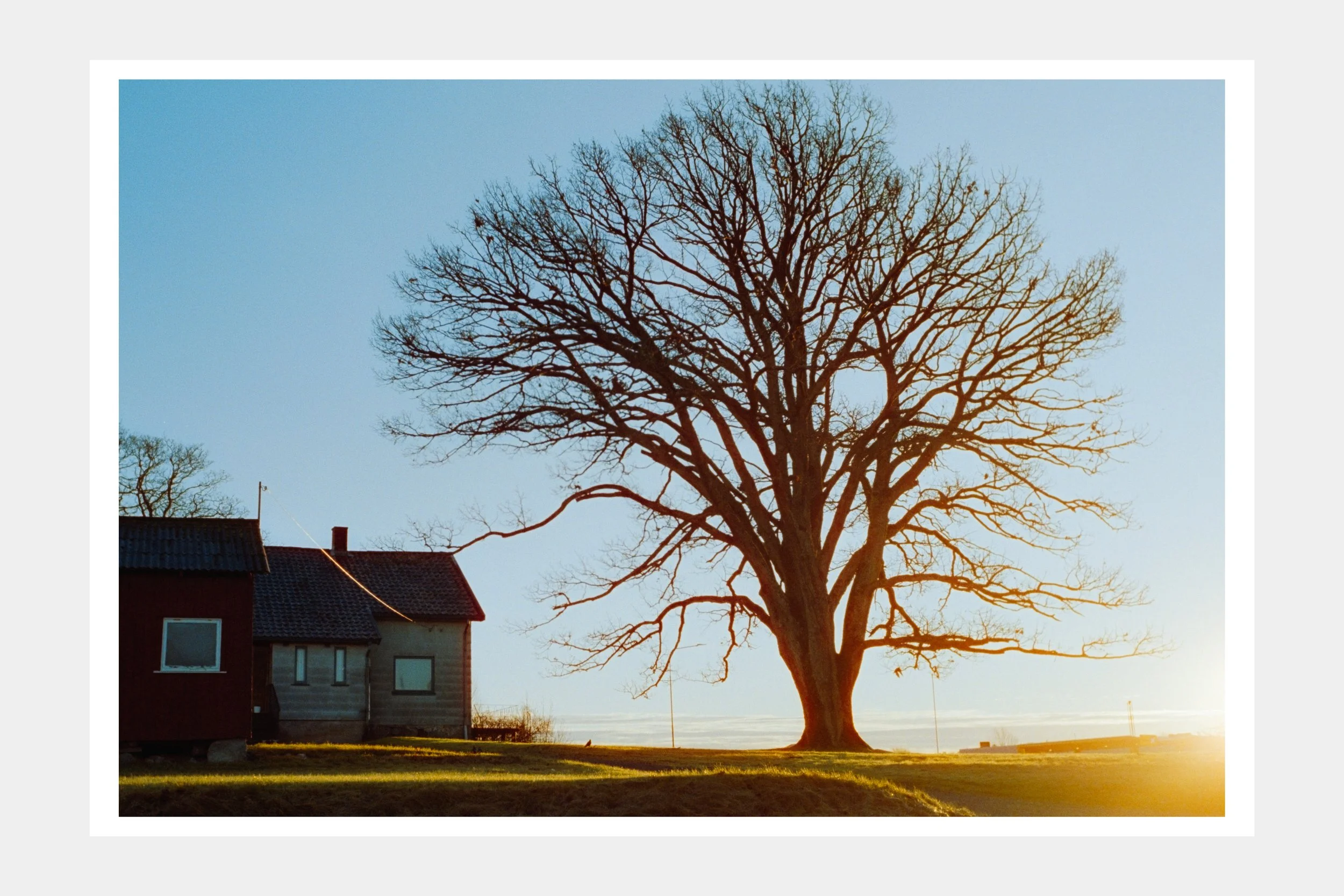
A silhouette is not the objective, it’s just the result of a scene already considered.
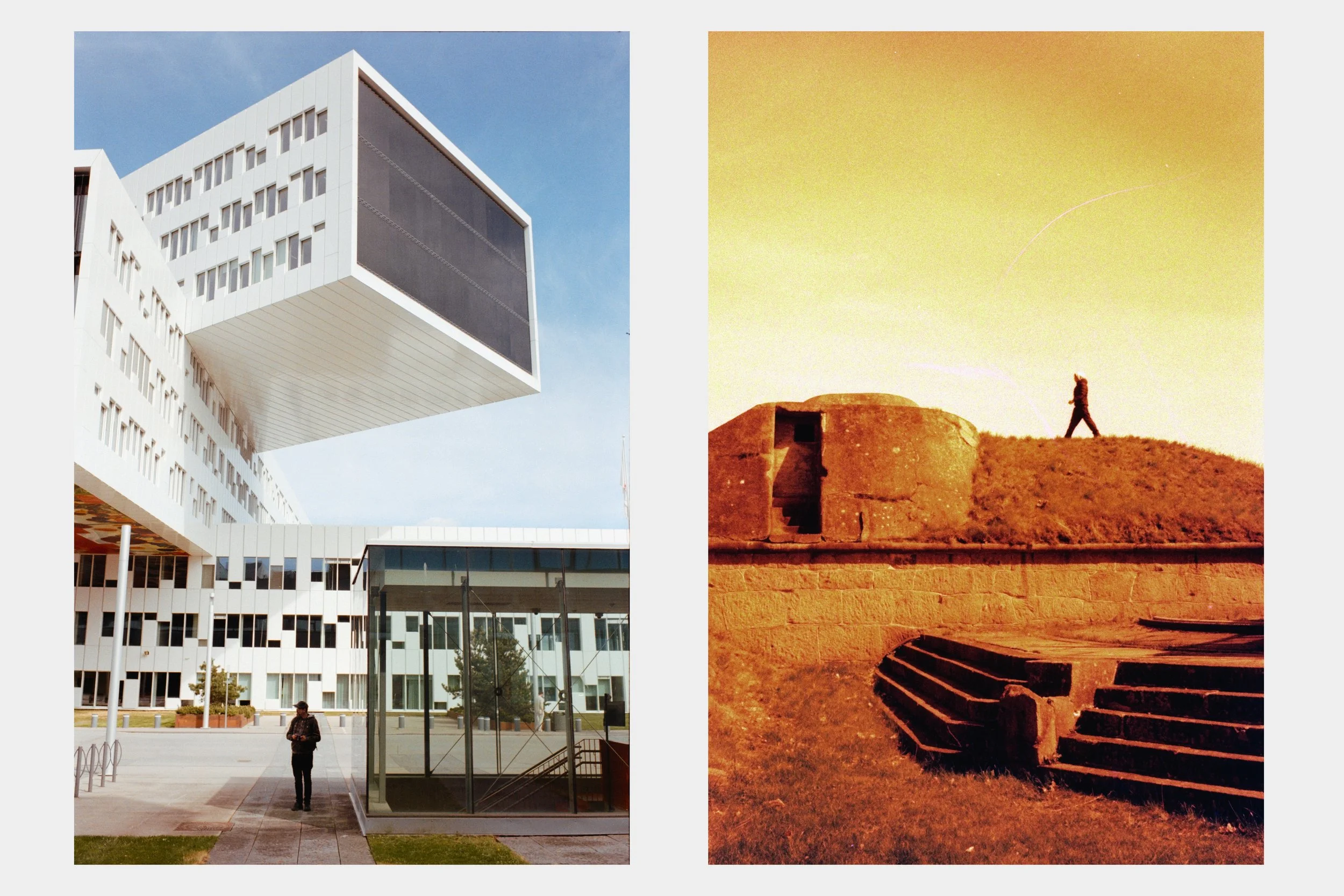
A gesture doesn’t make the photograph by itself. It only works if the frame was worth committing to in the first place.
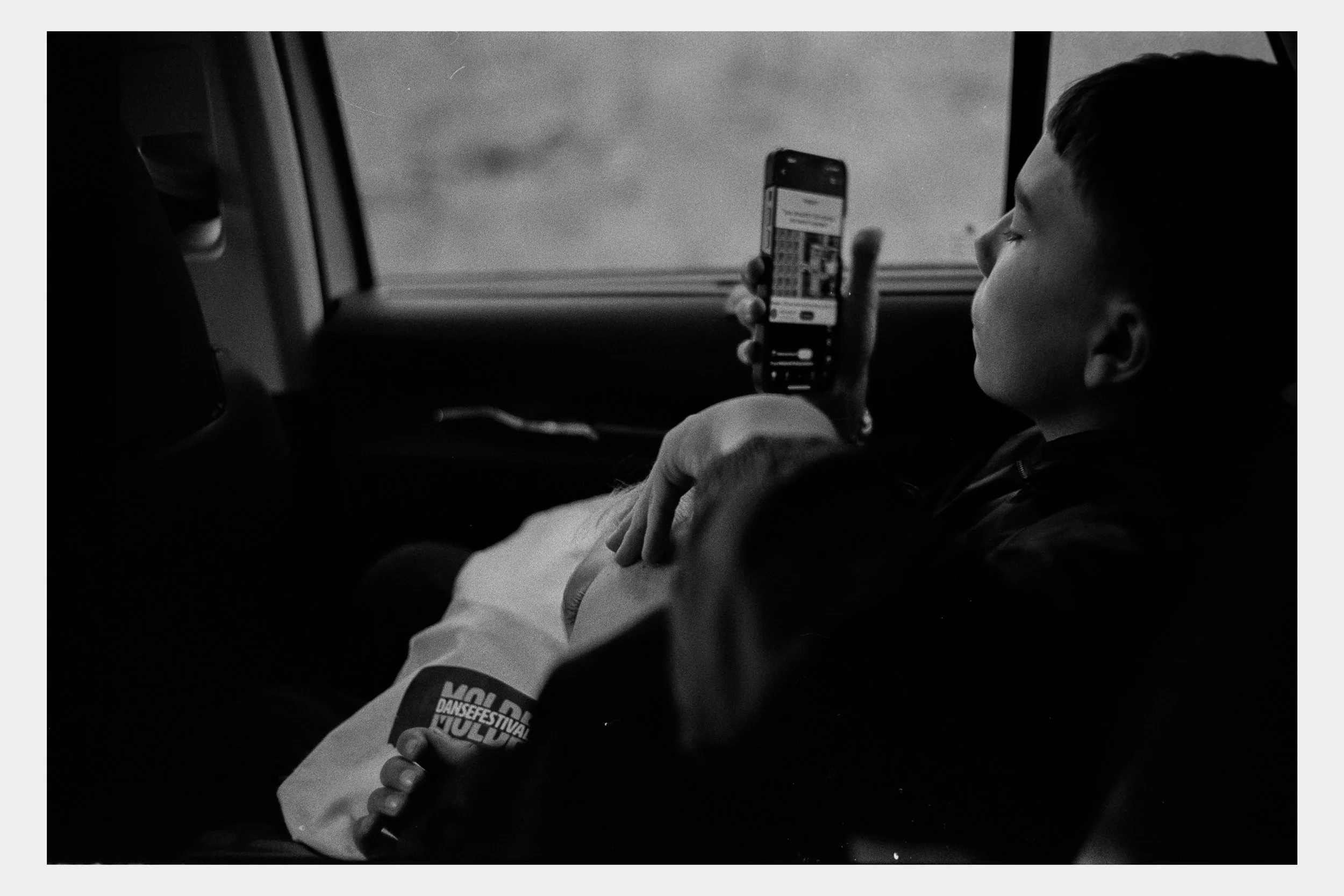
Experience over the perfect shot.
The moment doesn’t lead the photograph.
The intention does.
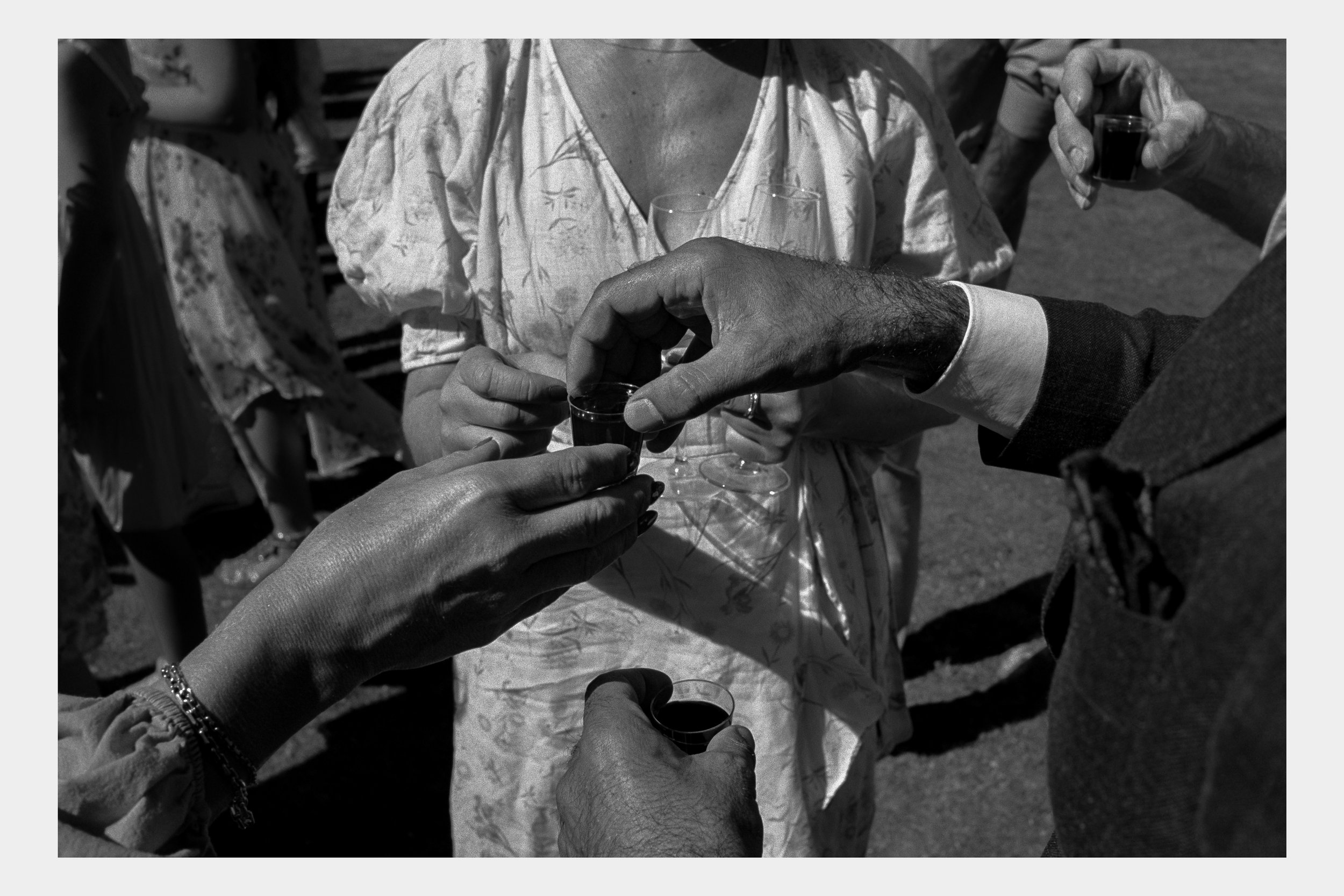
If Henri Cartier-Bresson was the master of the decisive moment, then Elliott Erwitt was the master of the indecisive ones.
Erwitt cared less about the single flawless instant and more about storytelling, humor, and human contradiction. His photographs often feel like pauses rather than peaks, moments that breathe instead of explode.
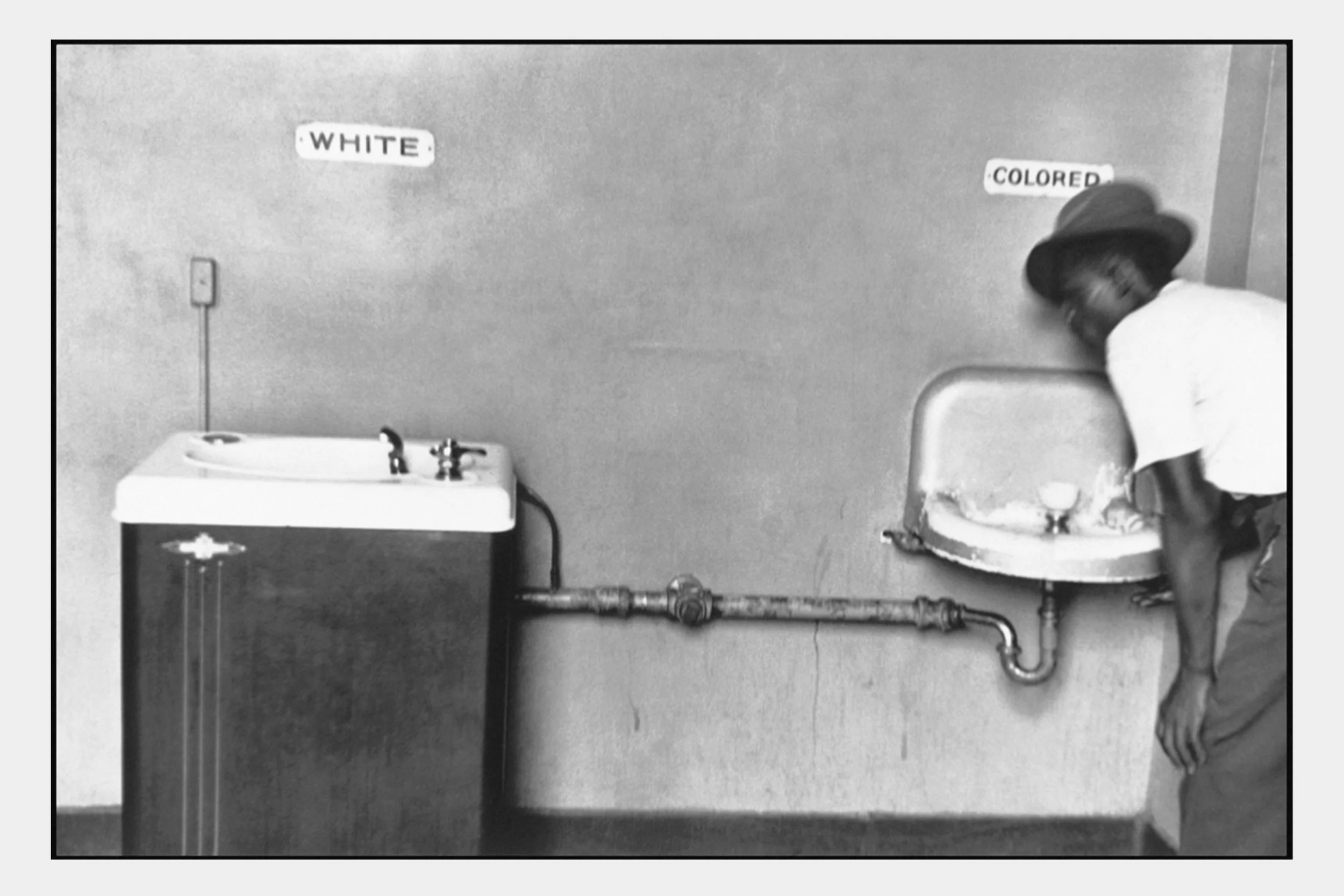
Robert Frank’s The Americans pushed this even further. The work is gritty, uneven, sometimes uncomfortable. It’s not about geometry or perfection. It’s about presence. About seeing a country, and himself, clearly, even when the result isn’t beautiful in a traditional sense.
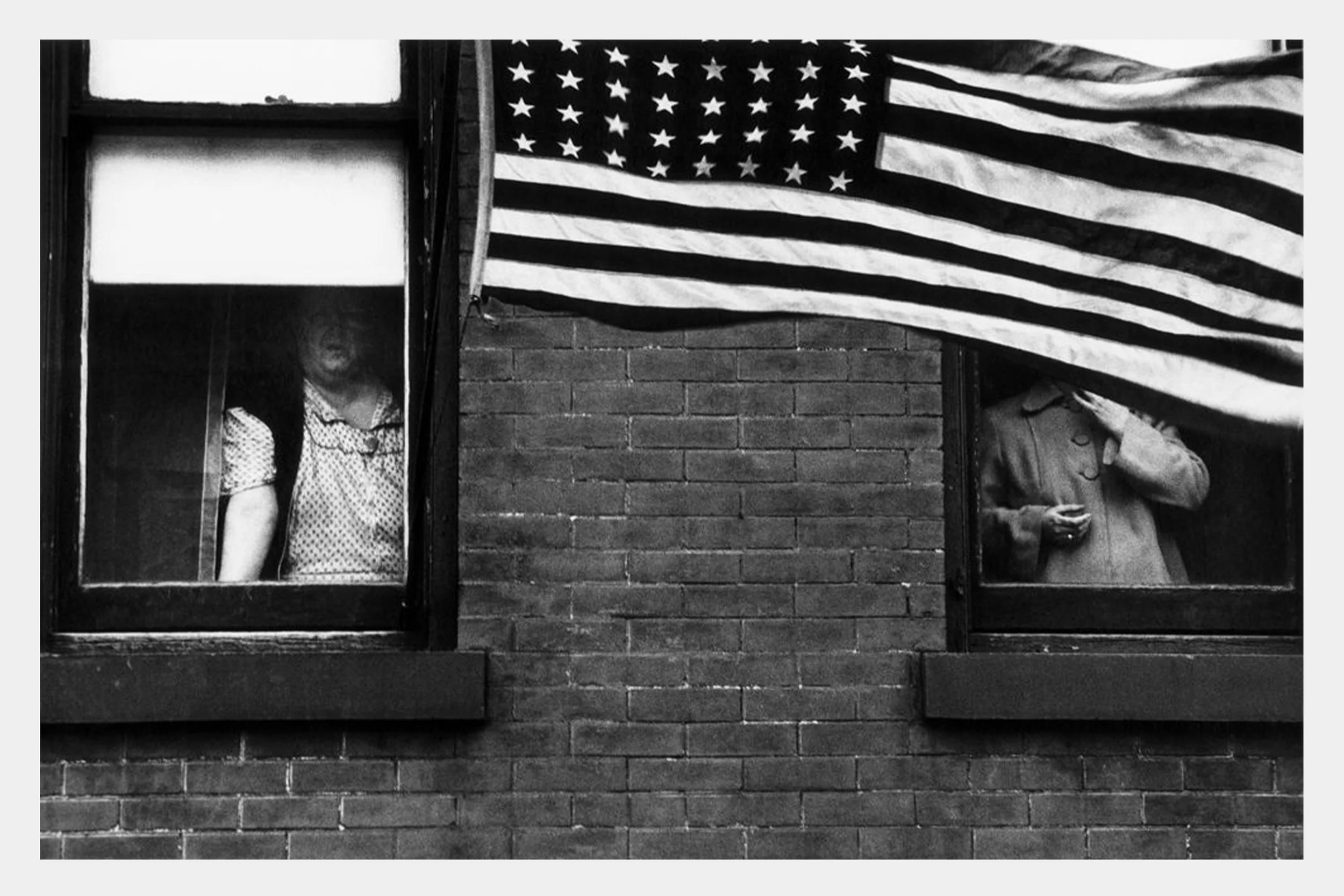
These photographers weren’t chasing “bangers.” They were chasing meaning.
Some photographers prioritize narrative, atmosphere, or emotional truth over a perfectly timed split second, even if that means accepting frames that are technically imperfect.
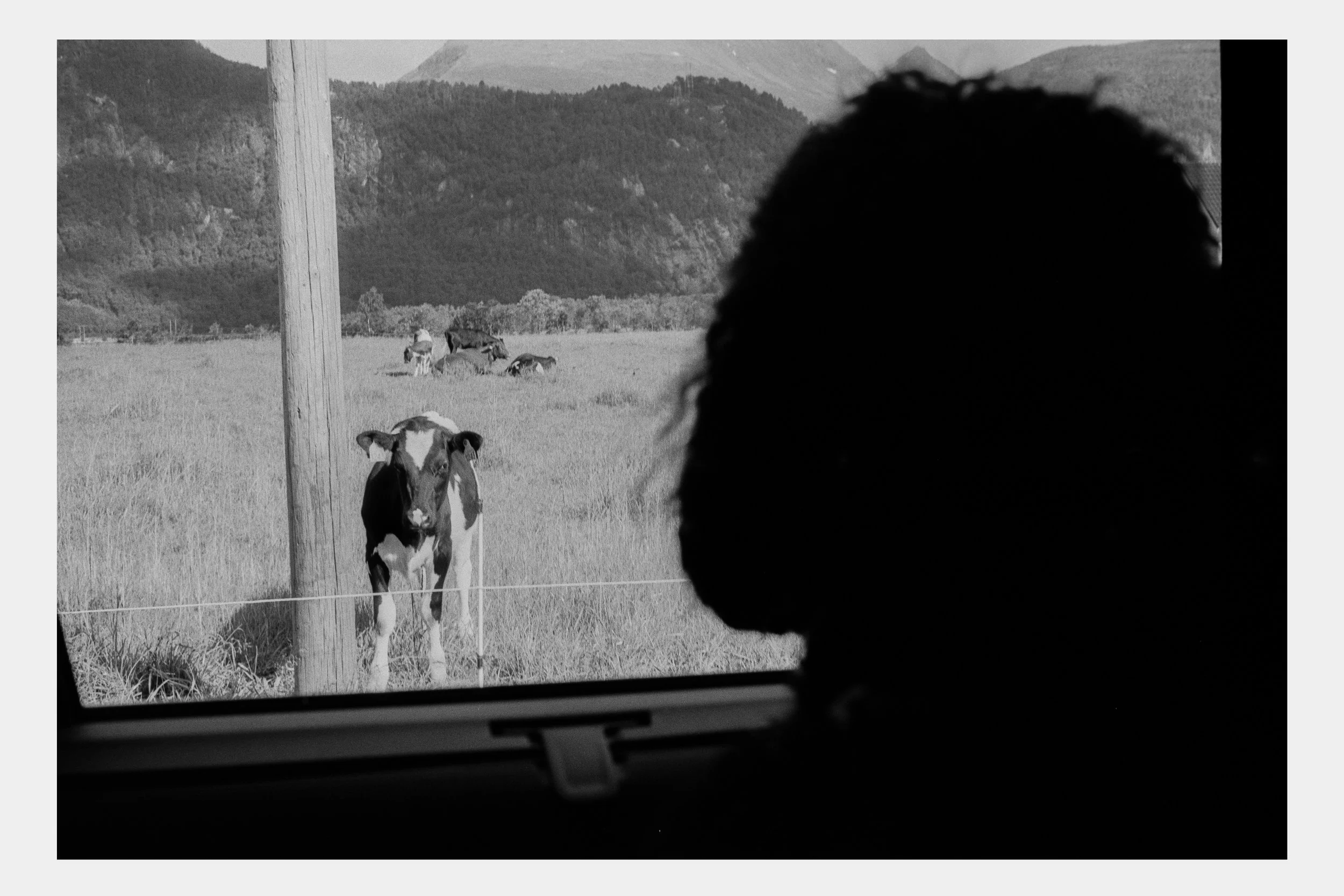
Today, with digital cameras, the chase for the moment often turns into volume. Spray and pray. Infinite attempts. Zero cost.
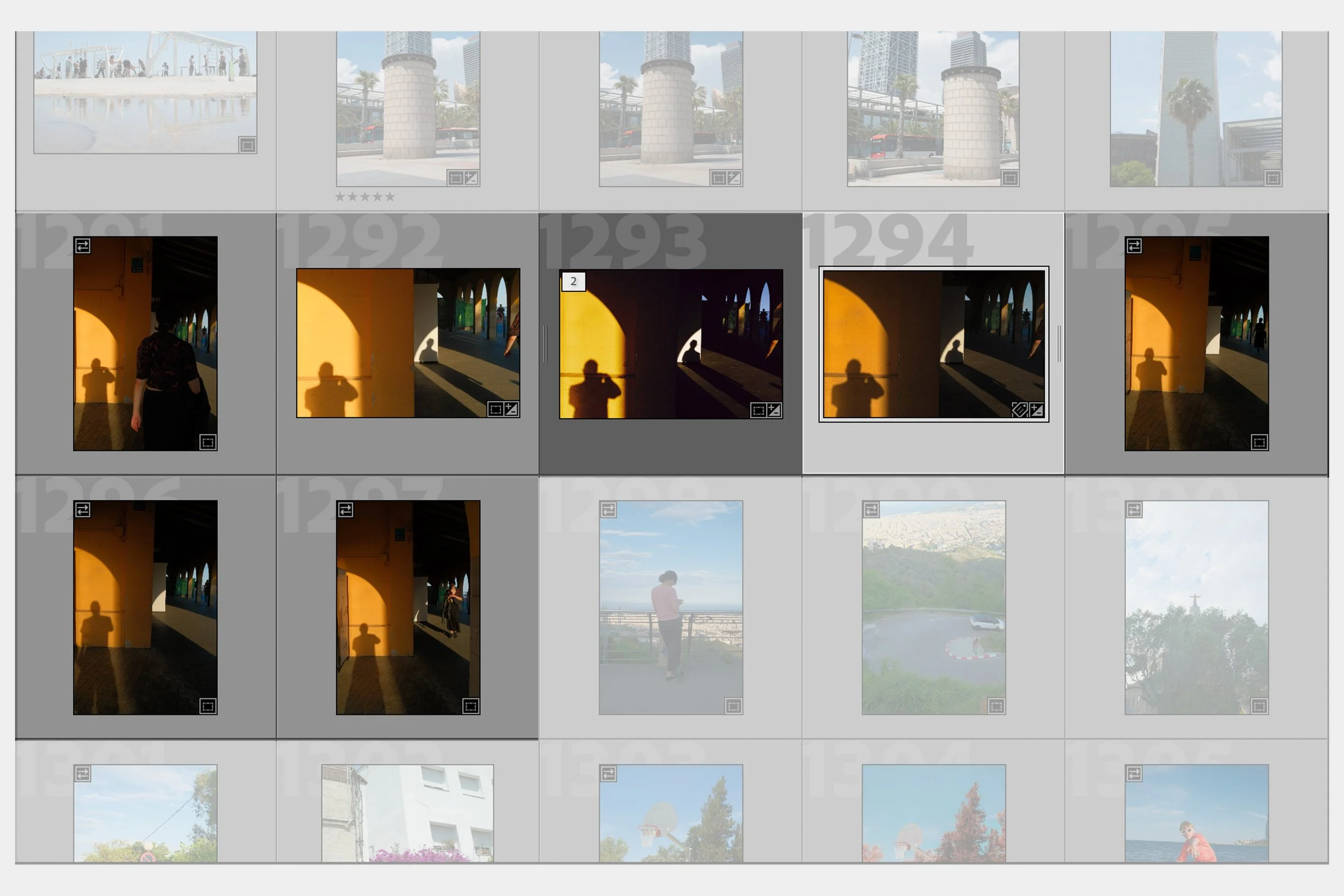
This stands in direct contrast to the restraint that shaped the idea of the decisive moment in the first place.
Back then, limitations forced intention. Today, abundance often replaces it.
So why not focus solely on the decisive moment?
Storytelling often lives across multiple frames, not one.
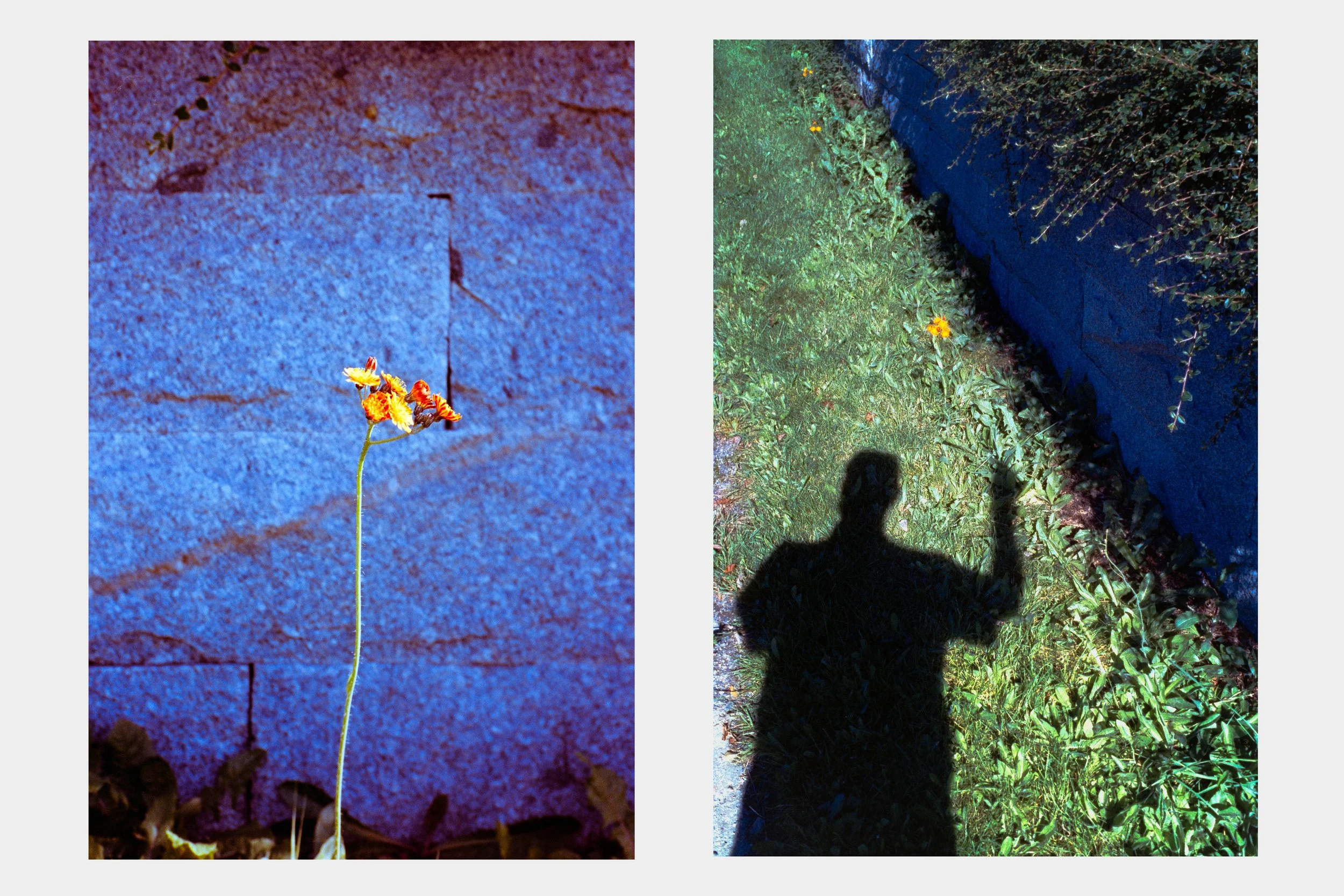
Other elements, mood, humor, isolation, social context, can matter more than timing.
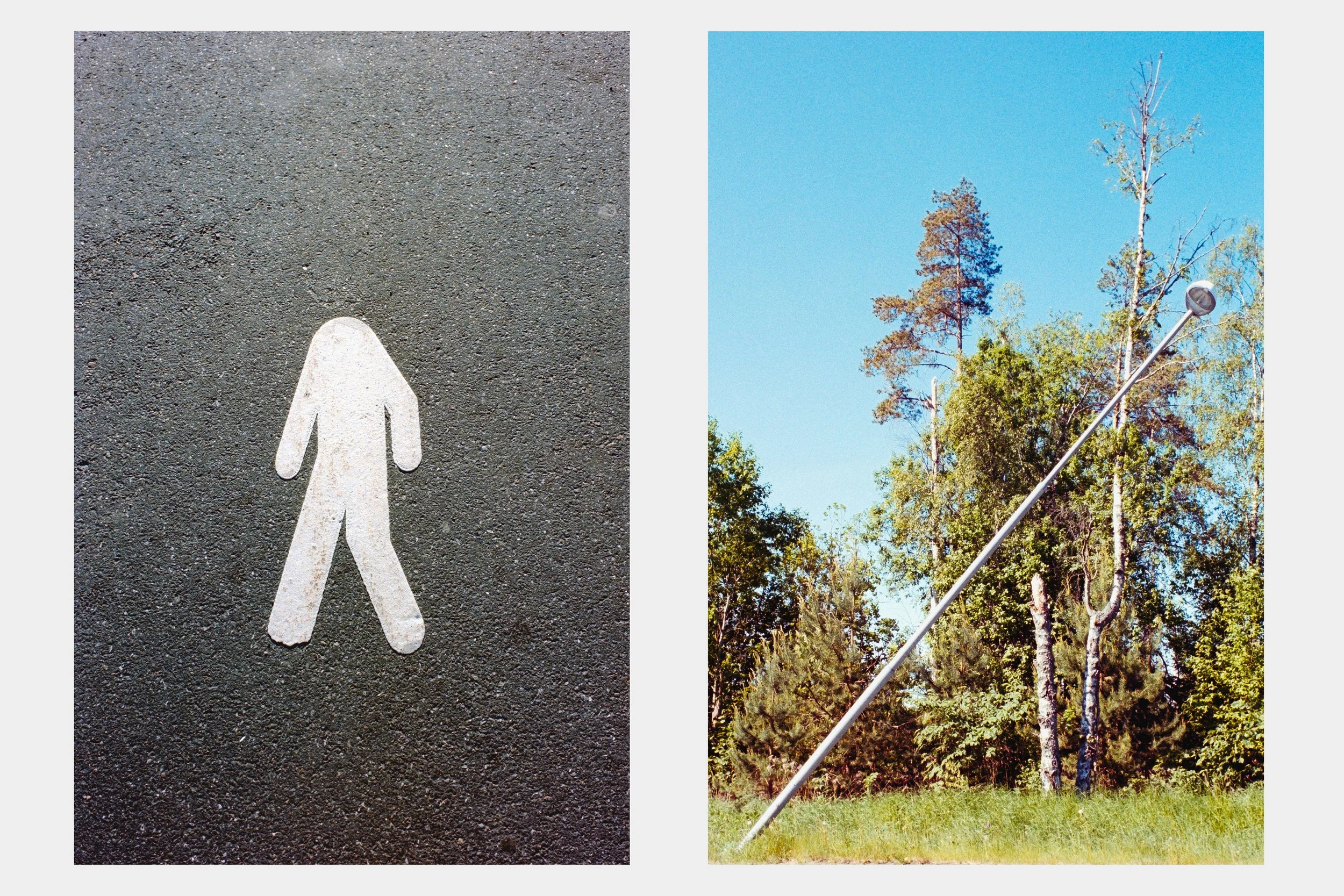
Patience is hard, and waiting endlessly for perfect alignment can be creatively draining.
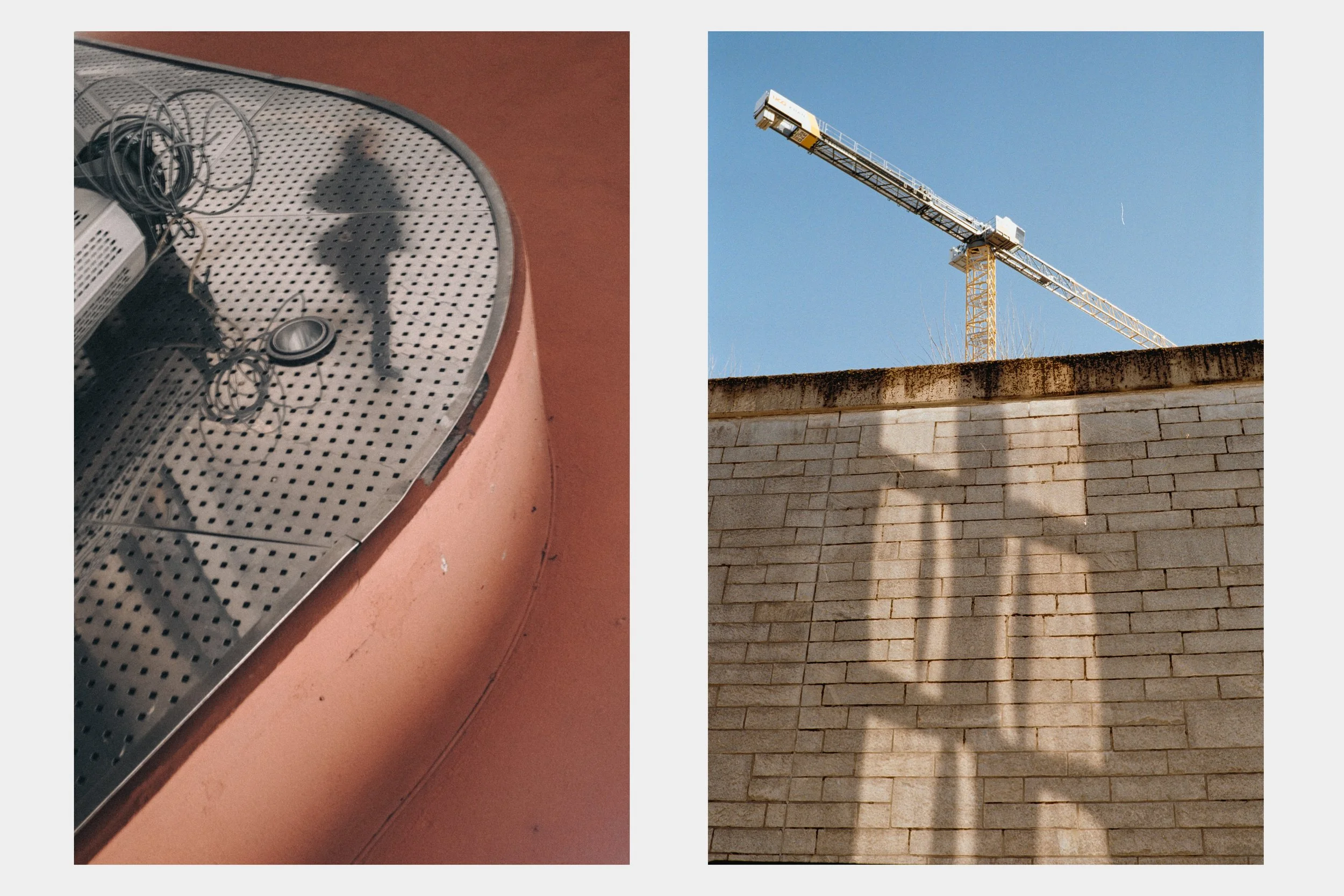
Many photographers simply value moments that aren’t perfectly decisive, but are still deeply human.
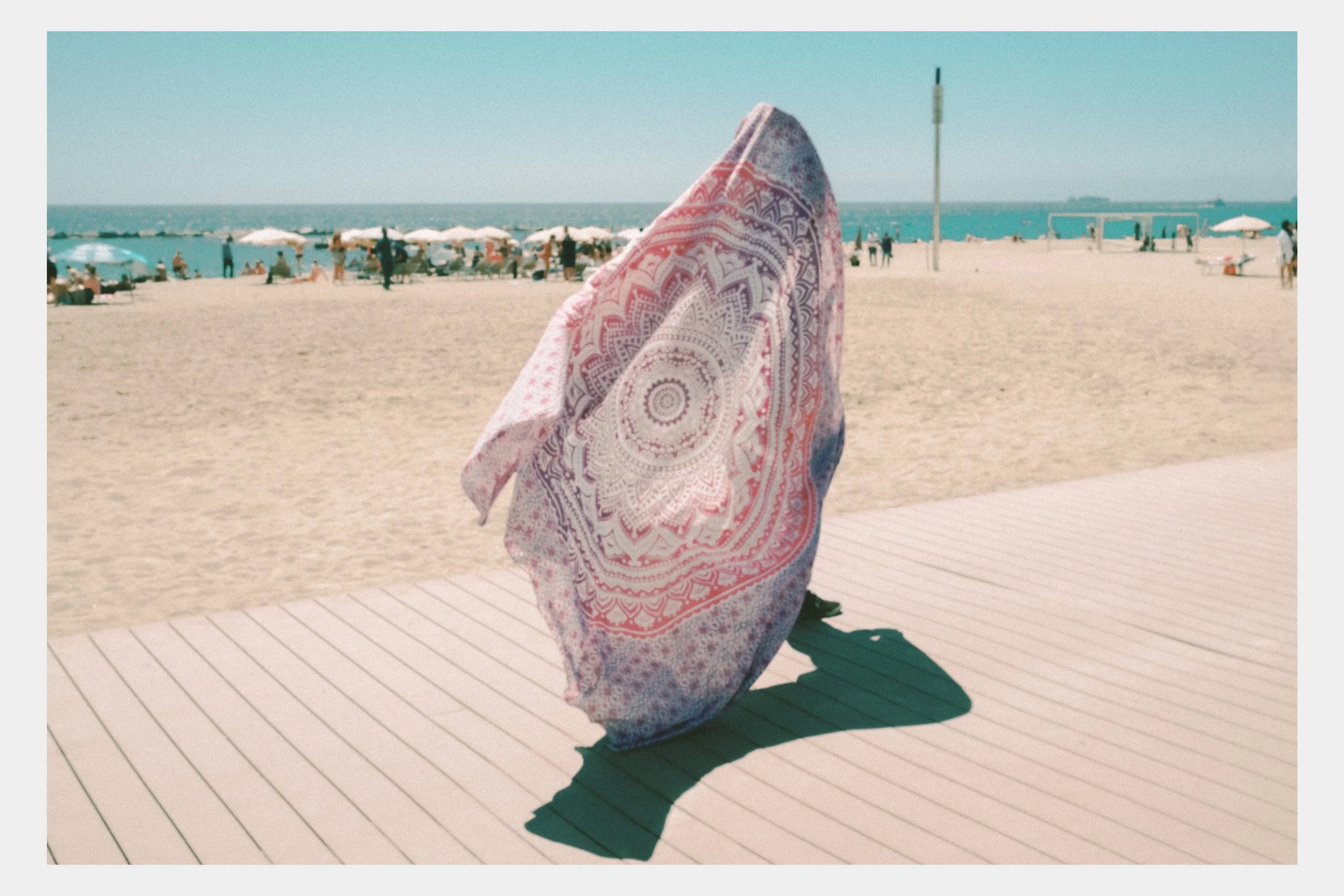
It’s easy to feel discouraged after a walk with no obvious hits. No bangers. No instant validation.
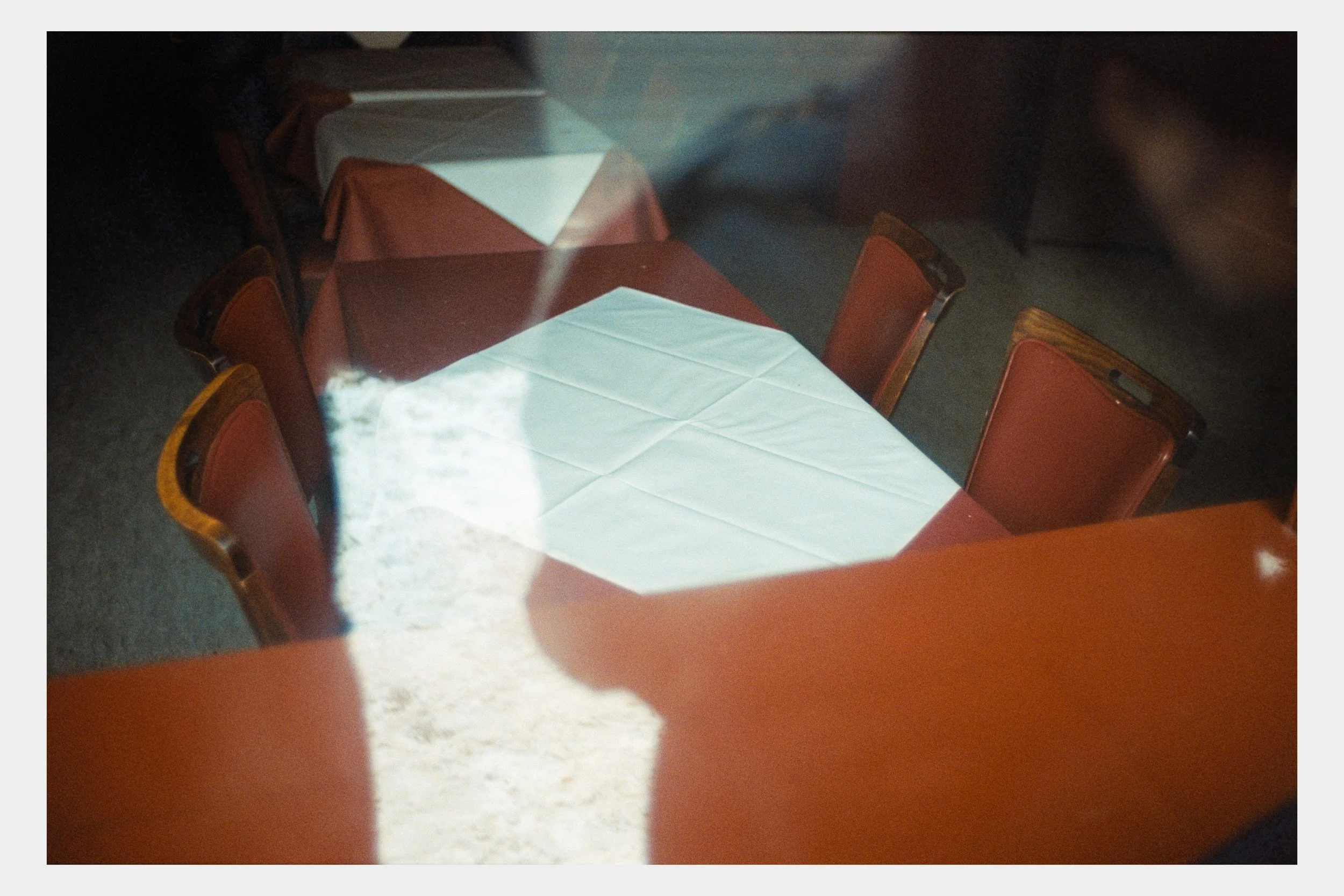
But when I look back at my older photos, that’s not what I see.
I see intention.
I see what I was chasing.
I see where my head was at.
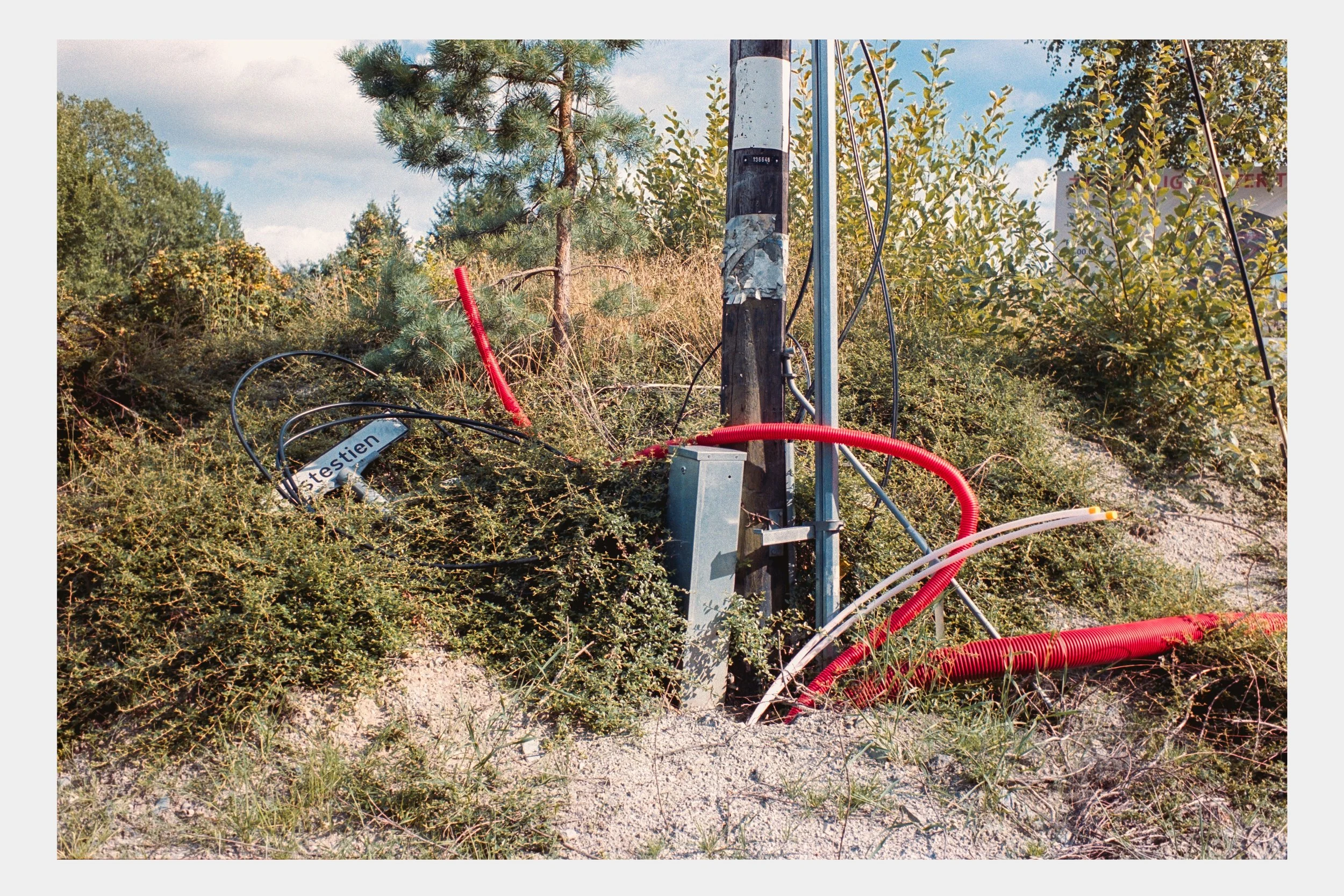
Photography, for me, is first and foremost for me.
I enjoy the process: choosing the film, setting a quiet mission, limiting myself, and later experiencing the results, good or bad.
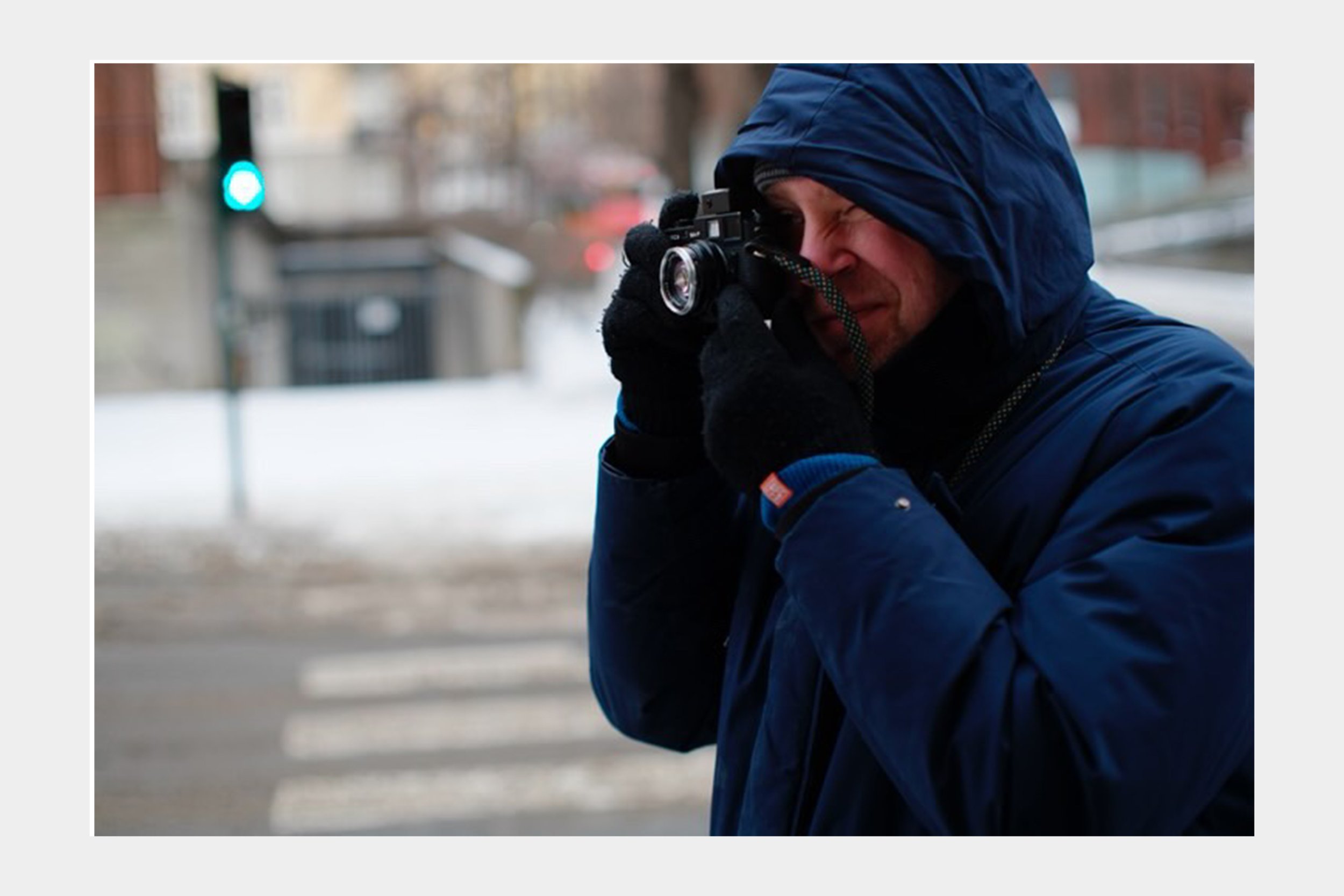
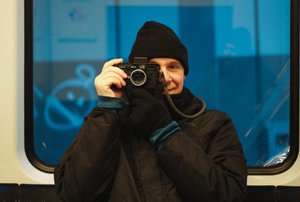
*image by @tom.nordpole
Film slows me down, just enough to make those choices feel real. Irreversible. Honest.
If others connect with the images, that’s beautiful. If not, the experience was still worth it.
And that’s why, for now, in 2026, I choose film over digital.