
The Silverchrome Time Machine

Shot with Lumix DMC-FX12
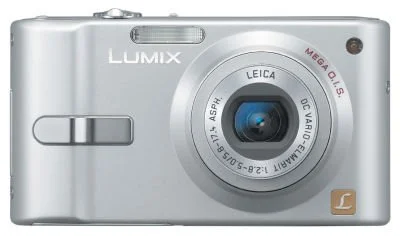
7 megapixels. ( it sounds so little, but it is more than enough )
A tiny 1/2.5" CCD sensor.
A Leica DC Vario-Elmarit 35–105mm lens on the front.
Metal body. Smooth lines. No nonsense.
When I picked up the Panasonic Lumix DMC-FX12 for the first time, I just stood there for a second. It feels solid. Cold. Intentional. They really don’t make compact cameras like this anymore. Somewhere along the way, small cameras stopped looking like precision tools and started looking like plastic gadgets.
I bought this one from Kamerastore.com for around 100 dollars. A small investment for a ticket back in time. I haven’t even tested it for more than one day, but everything about it feels right.
And the main reason I wanted it?
The CCD sensor. The Leica glass.


Back in 2007, 7 megapixels was normal. Then the megapixel race happened. 12. 24. 40. 60. And suddenly, cameras like this felt obsolete.
But here’s the thing. The sensors from 10, 15, even 20 years ago were not bad. They were limited by what surrounded them. Storage was smaller. Processing power was weaker. Software was primitive. If your image was noisy or too small, there wasn’t much you could do.
Today, that’s different.


Now I can take a 7 megapixel CCD file into Adobe Photoshop and run AI Denoise without destroying the character. I can use Super Resolution or tools from Topaz Labs to enlarge it cleanly. Double the size. Refine the noise. Preserve the texture. Create a fourteen megapixel image from a 7 megapixel file.
So I’m walking around with a “7 megapixel camera” today.
But in reality, I’m walking around with a 2007 sensor backed by 2026 software.
The hardware hasn’t changed. Modern software has given you more control than ever before, despite the limitations.
Back then, megapixels felt like survival. Today, they’re just starting points. What matters more is rendering. Color. Character. The way highlights bloom. The way a CCD interprets light in a way modern sensors often try to correct.
This post isn’t about pretending old cameras are superior.
It’s about realizing they were never as bad as we were told.
They were simply ahead of their time, waiting for the software to catch up.
The Panasonic Lumix DMC-FX12 is a great camera for photography. However, this post aims to demonstrate that gear isn’t everything,
photography should be fun, and this camera is exactly that.










Shot with Lumix DMC-FX12
