
Every Frame Counts
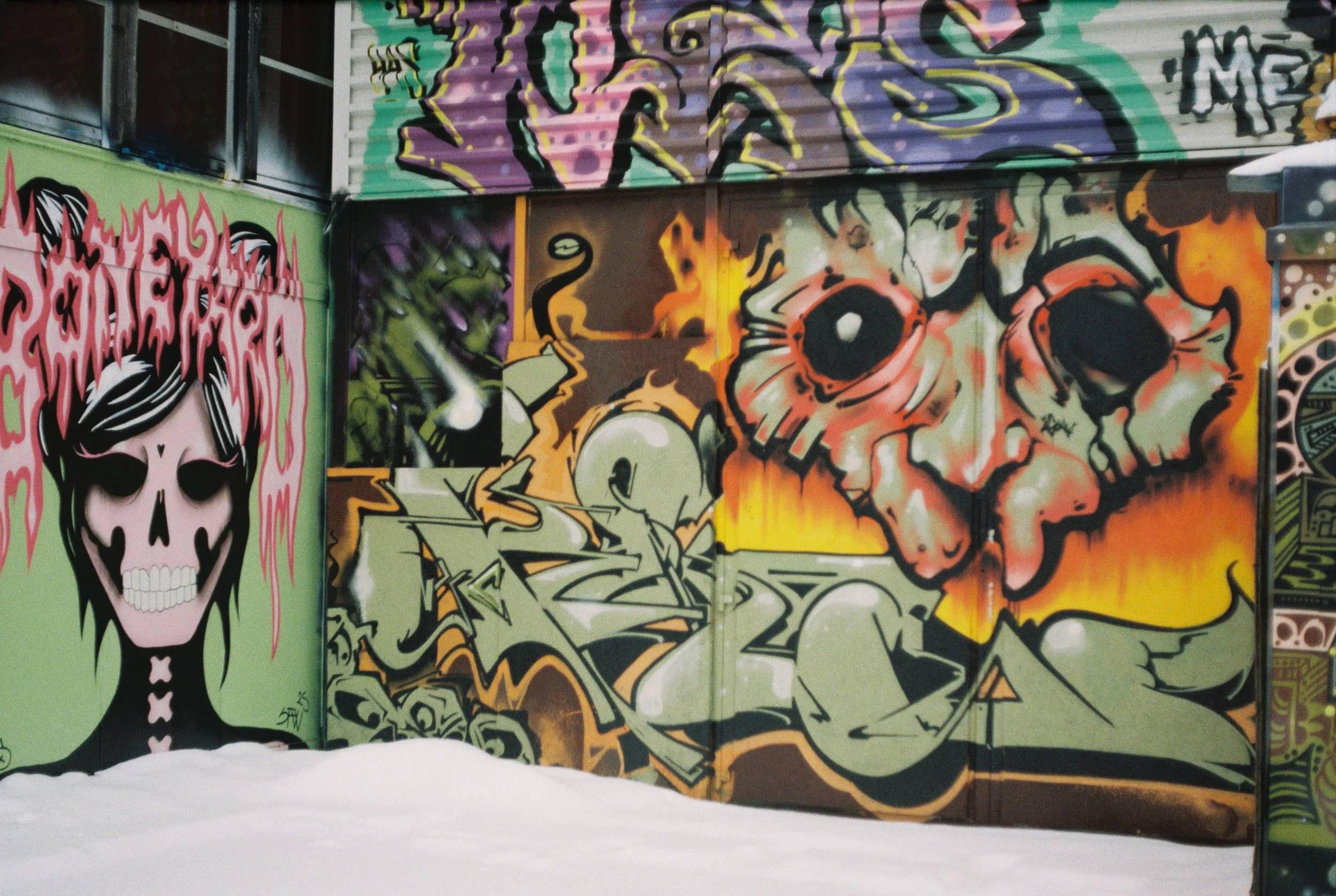
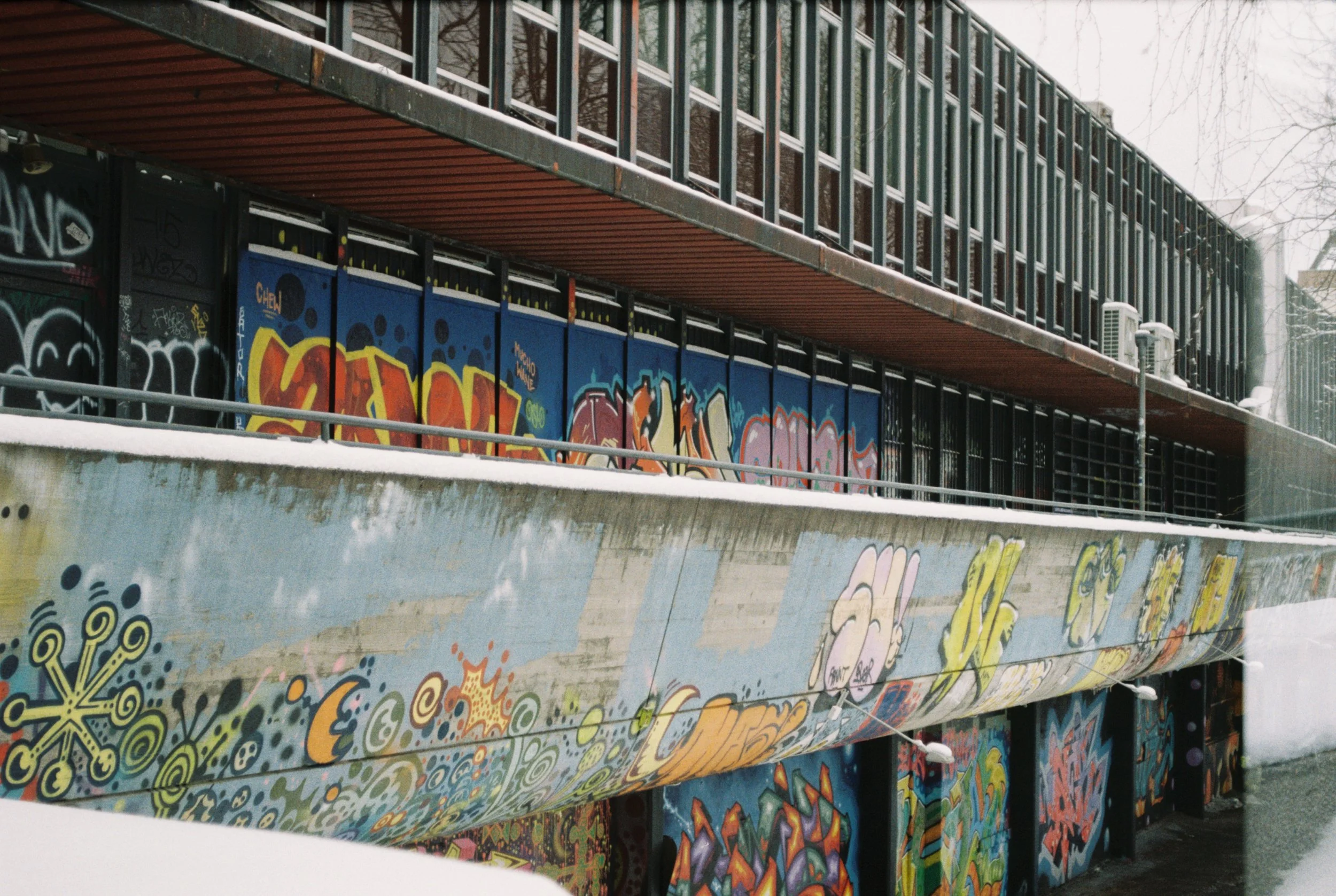
It was just another winter day in Oslo. I went to Storo with my Praktica and 200 ISO Kodak Gold film. It is not easy to find motivation in these winter days, but as I get older I start to reflect on days like this differently. The winter aura, gray, white, black, and sometimes a speck of color here and there, that is the outfit of February in Norway. I decided to focus on that, to believe that this day matters, like every frame of a 36 exposure roll of film.
Being born in the mid 80s gives you a unique perspective on photography. Possibly as a kid, you looked at black and white pictures of your parents, saw your own photos taken by them in color, or even watched slides on a projector. Maybe you even shot a roll or two yourself. And then digital came, easier, cheaper, faster. These days it’s smartphones. Tomorrow, maybe AI… Not everything starts great.
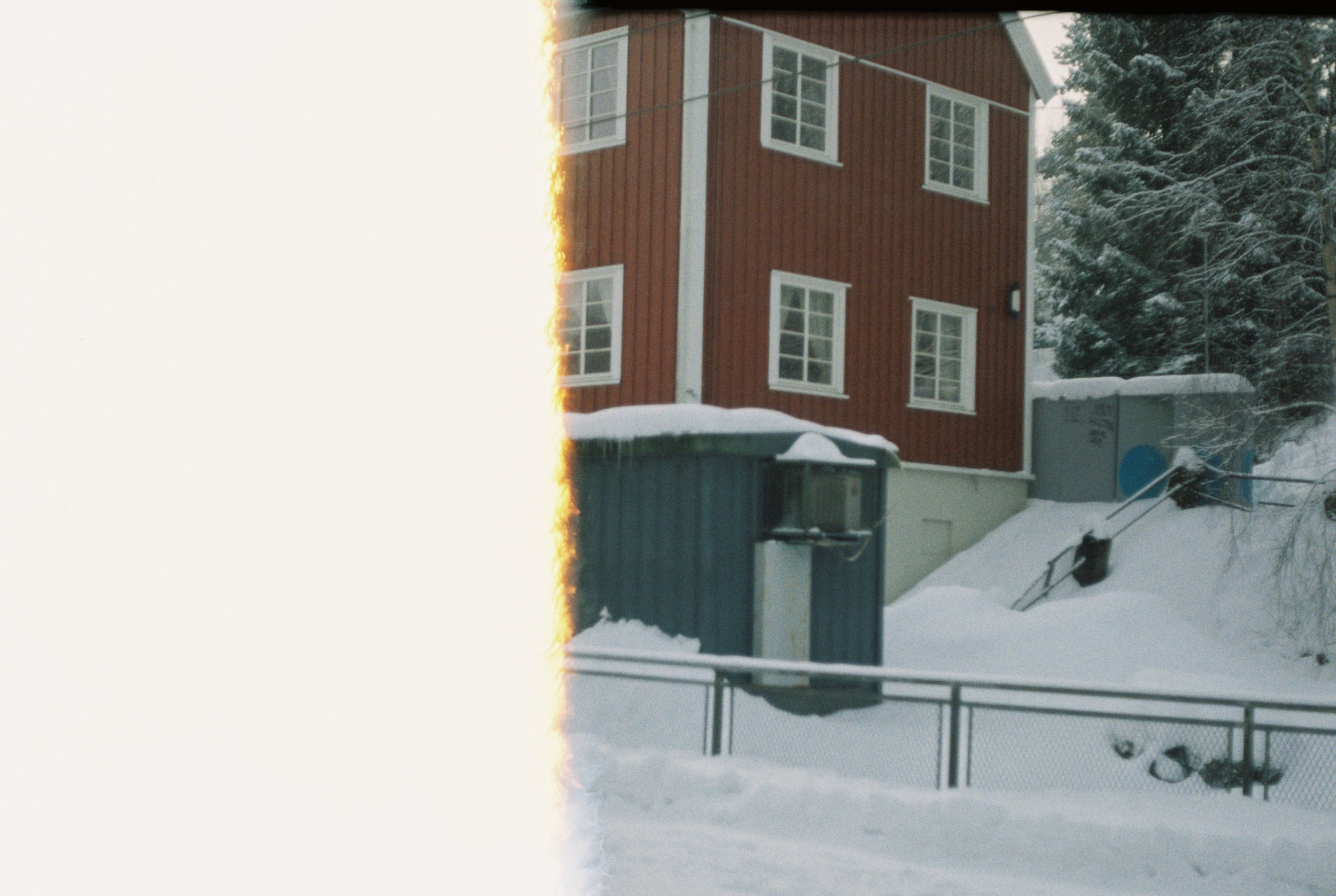
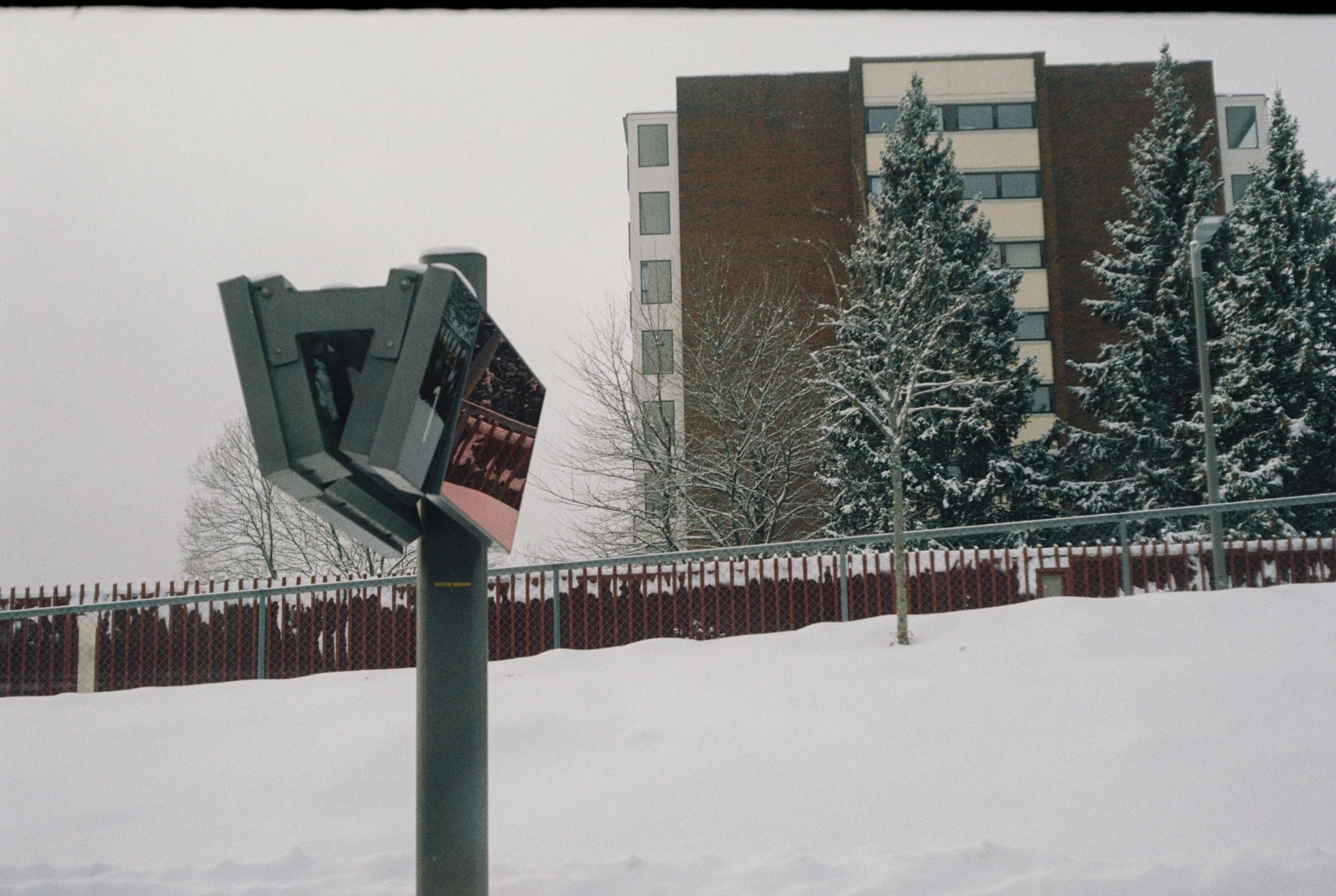
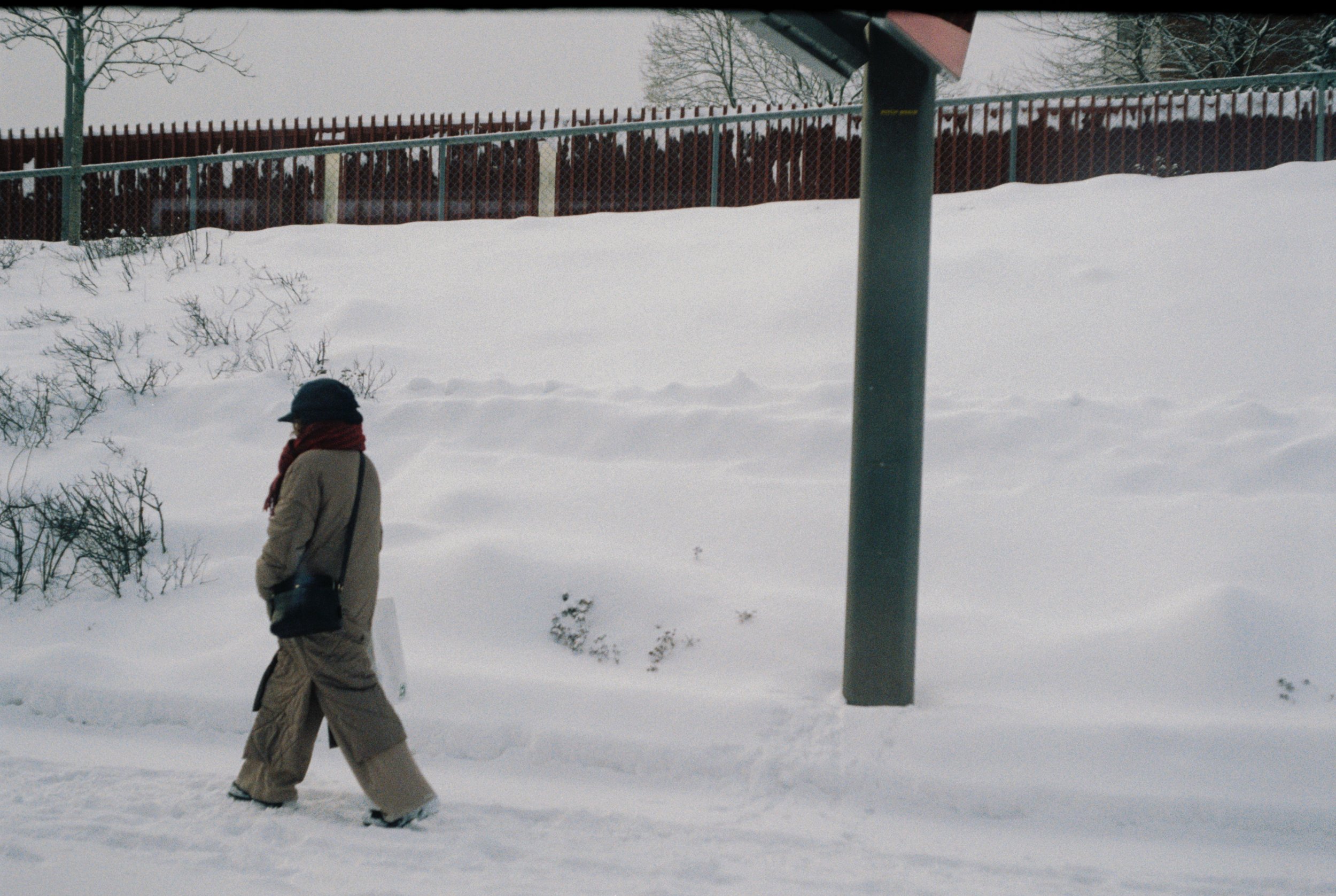
That’s a very broad perspective, where do I fit in it? I’ve used all of the mediums, mostly digital. Or maybe the smartphone camera? It’s hard to tell. If I had to count all the pictures I’ve taken in my life so far, it might be a couple of hundred thousands. How many have you shot? Do you go back to them often? Sometimes I think the huge volume prevents me from returning and selecting my favorite frames. But that’s something else.
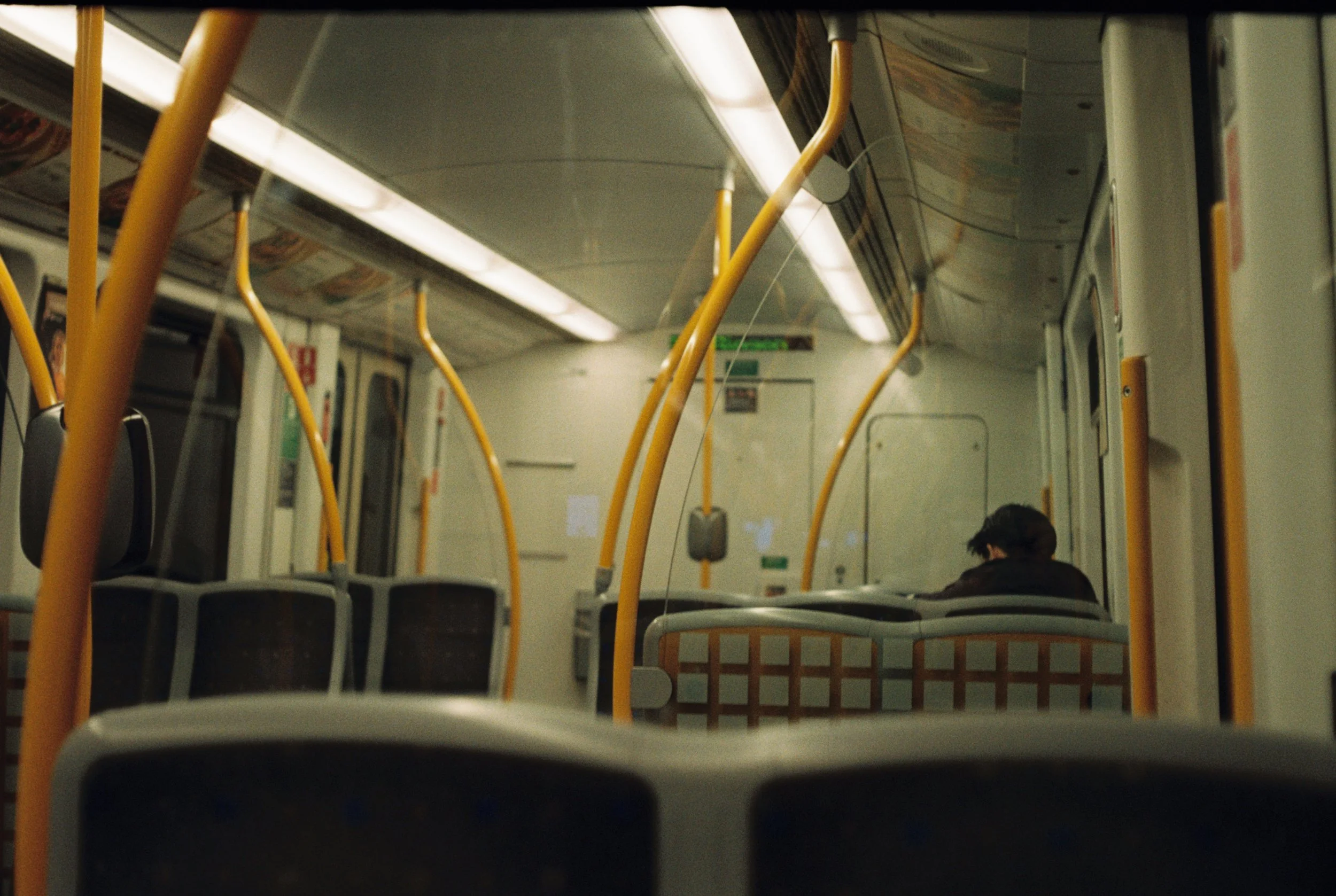
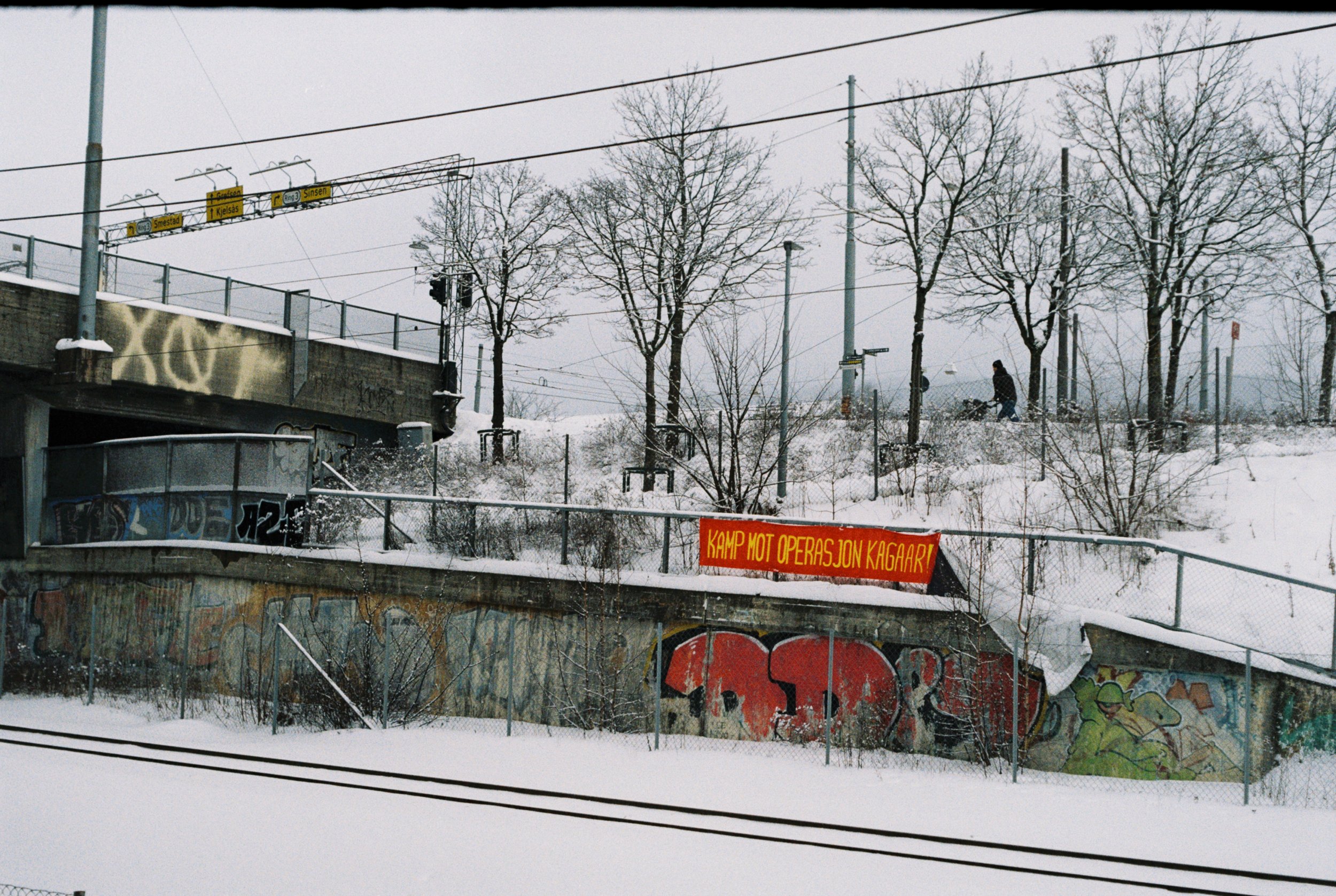
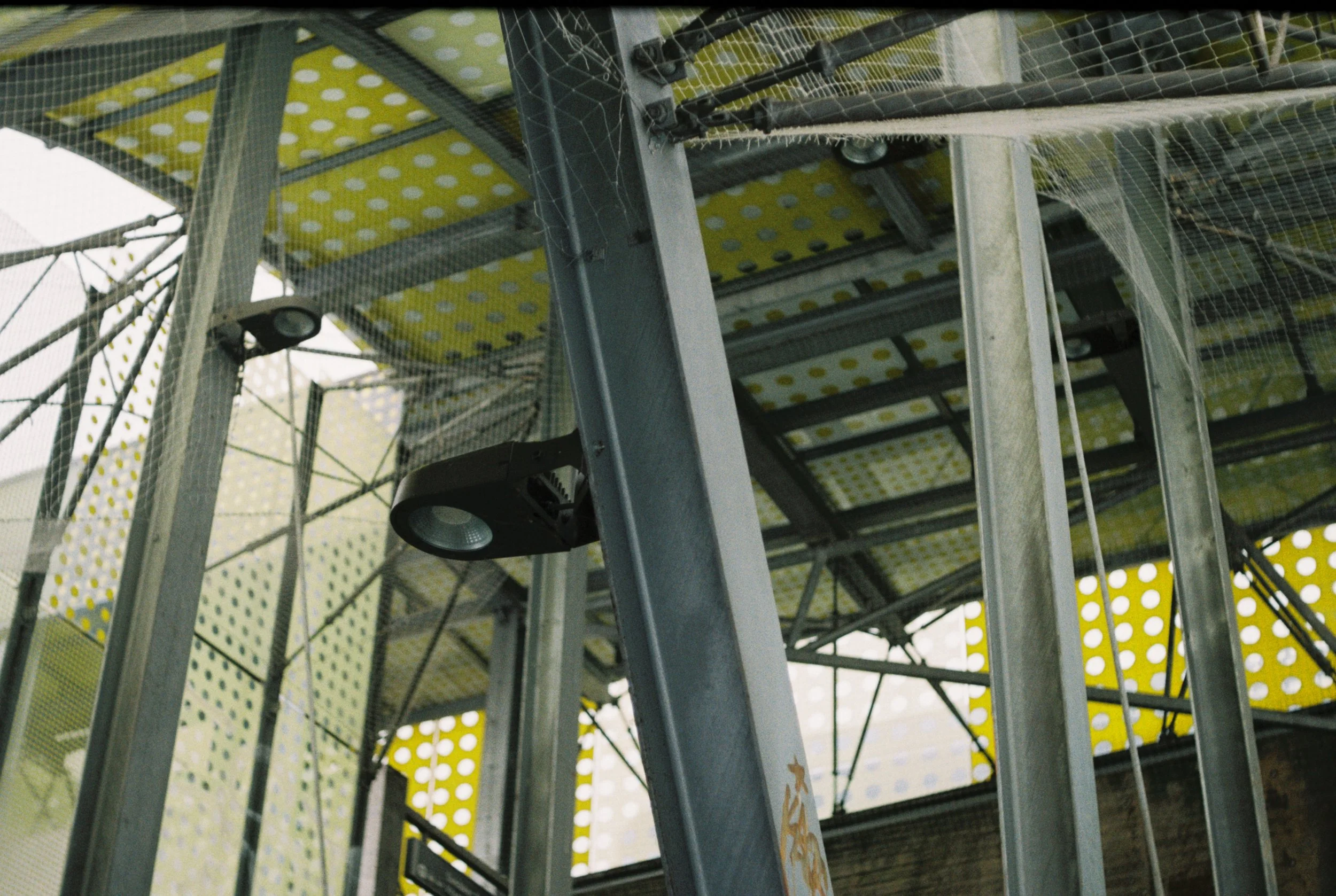
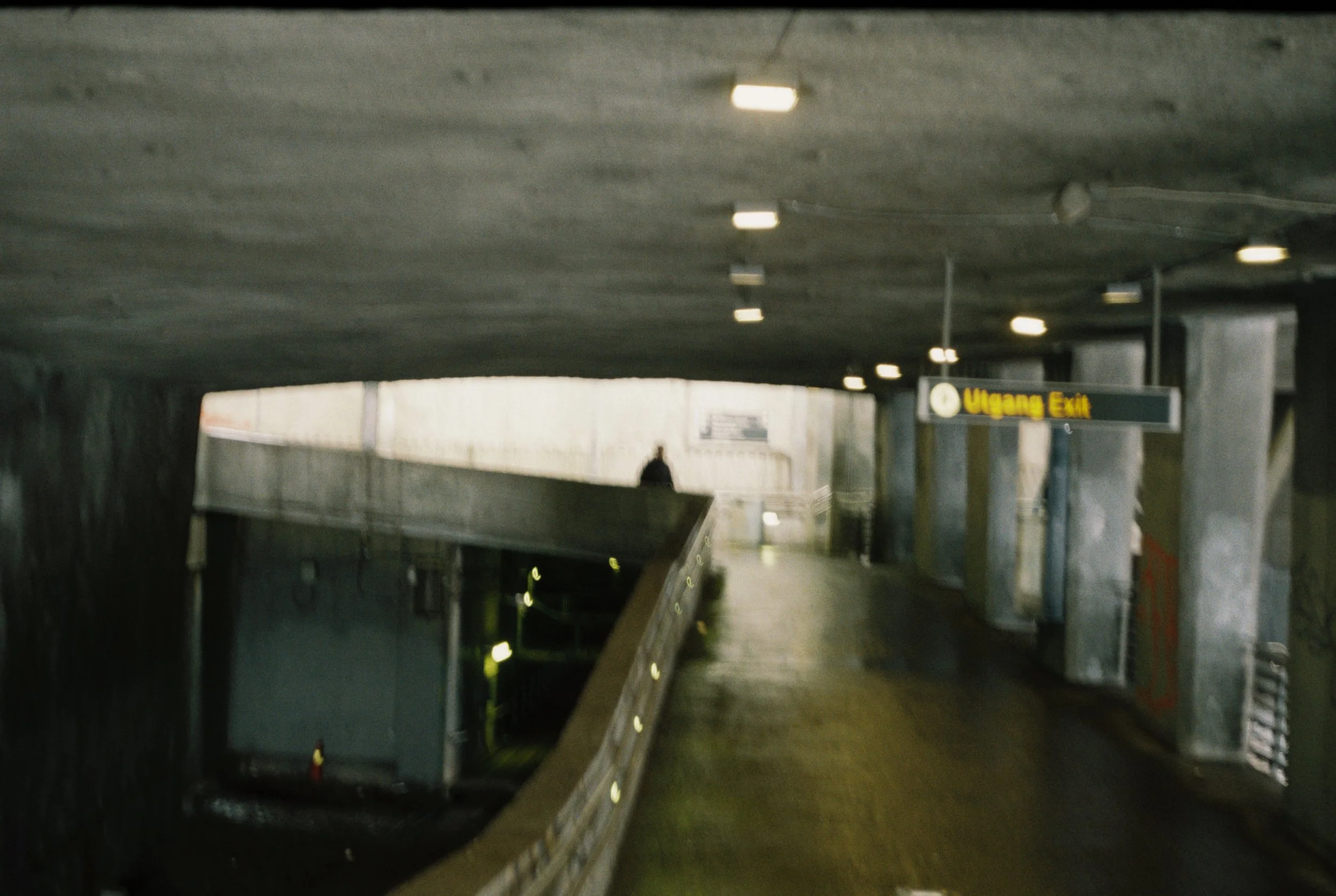
Working with extremes. Either no rules, no boundaries, the latest and greatest, best autofocus, best lenses, biggest file sizes, and top dynamic range, or… you can probably guess what’s on the other side of that extreme. Yes, manual settings, manual lenses, and the analog experience of shooting film.
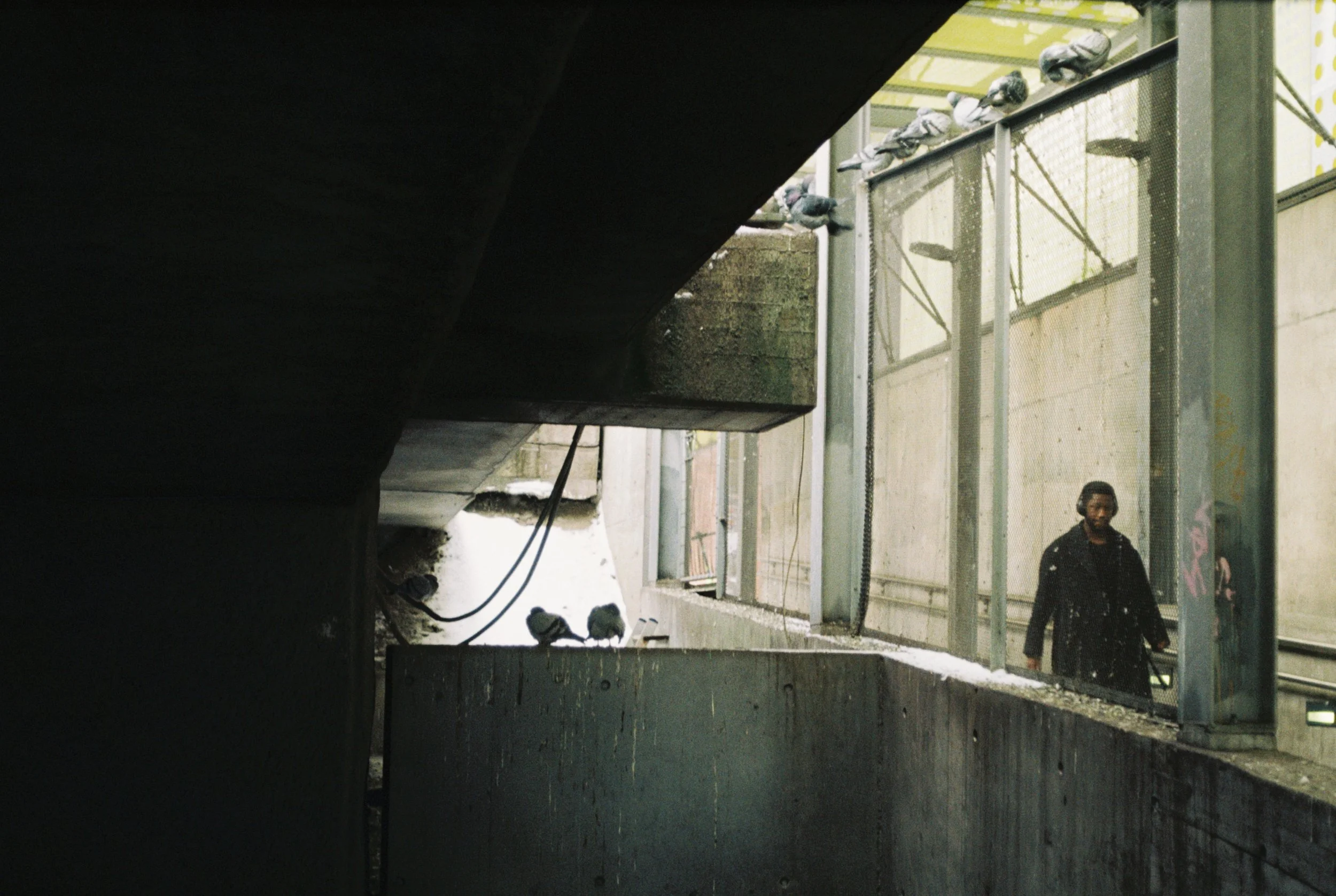
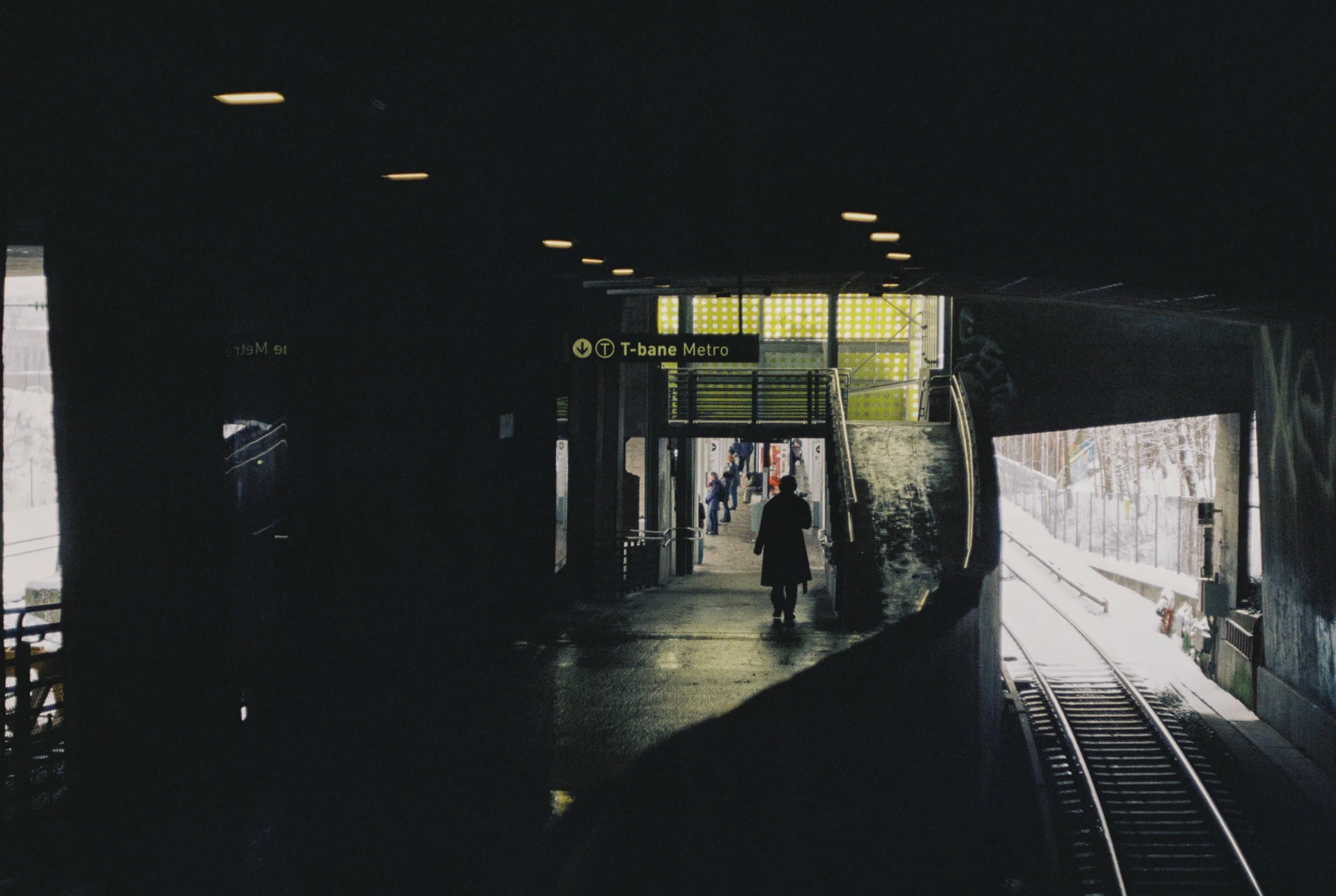
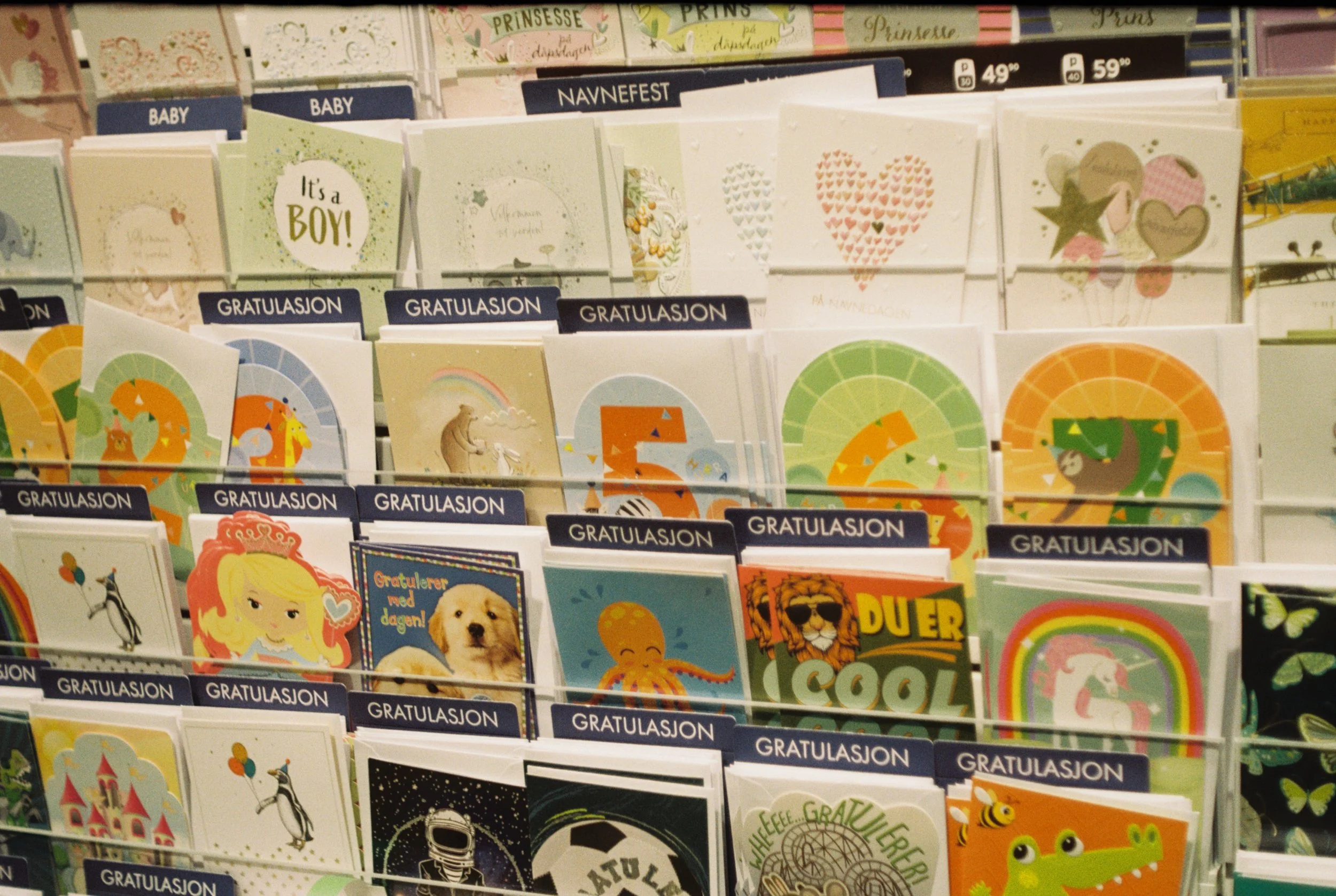
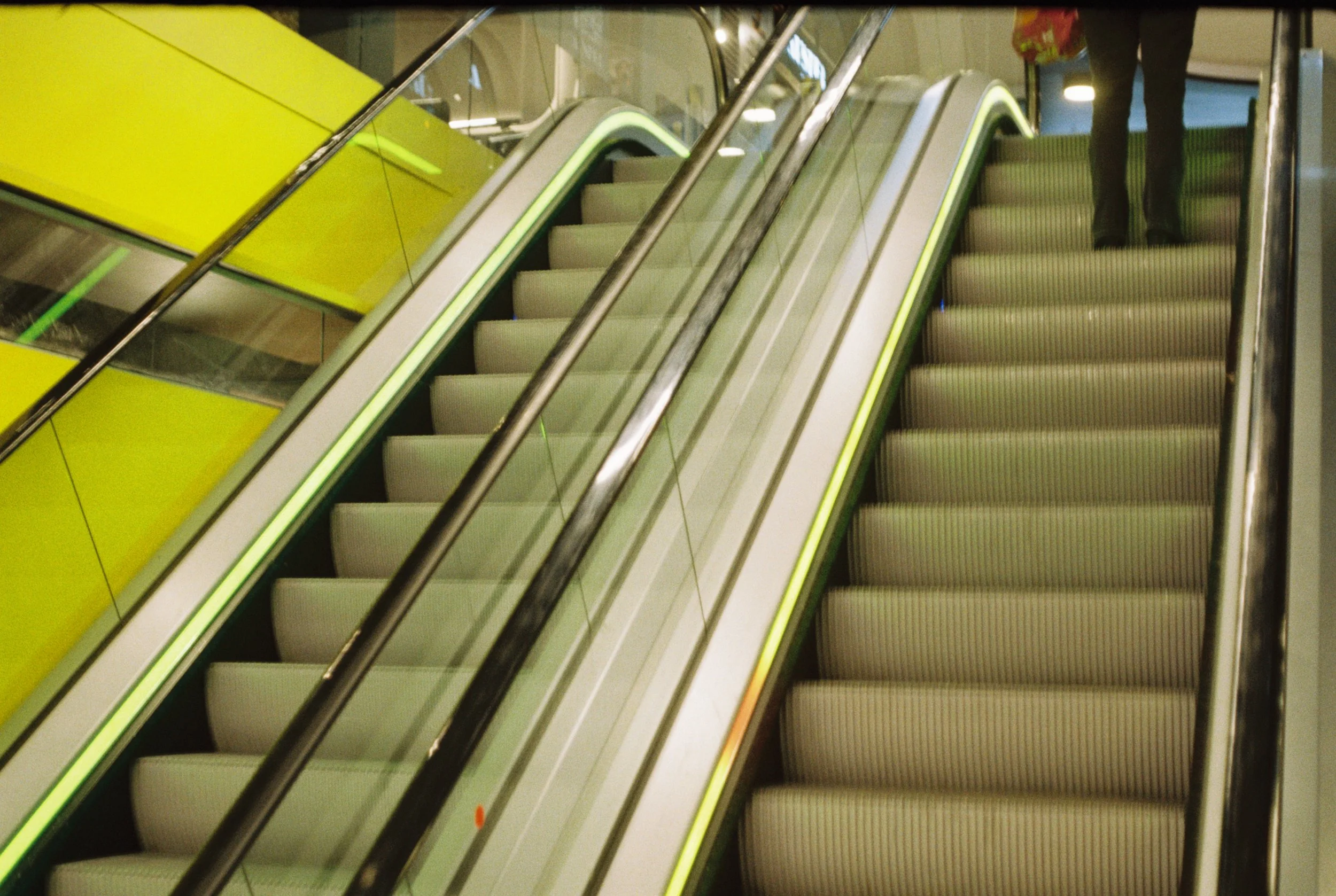
When our memory cards hold more and more capacity, 24 or 36 frames doesn’t sound like much, especially when you consider that some, or even most, of the shots might be bad, unfocused, or simply not interesting. But in the same way, you might end up with surprising shots, unexpected ones, or just happy accidents.
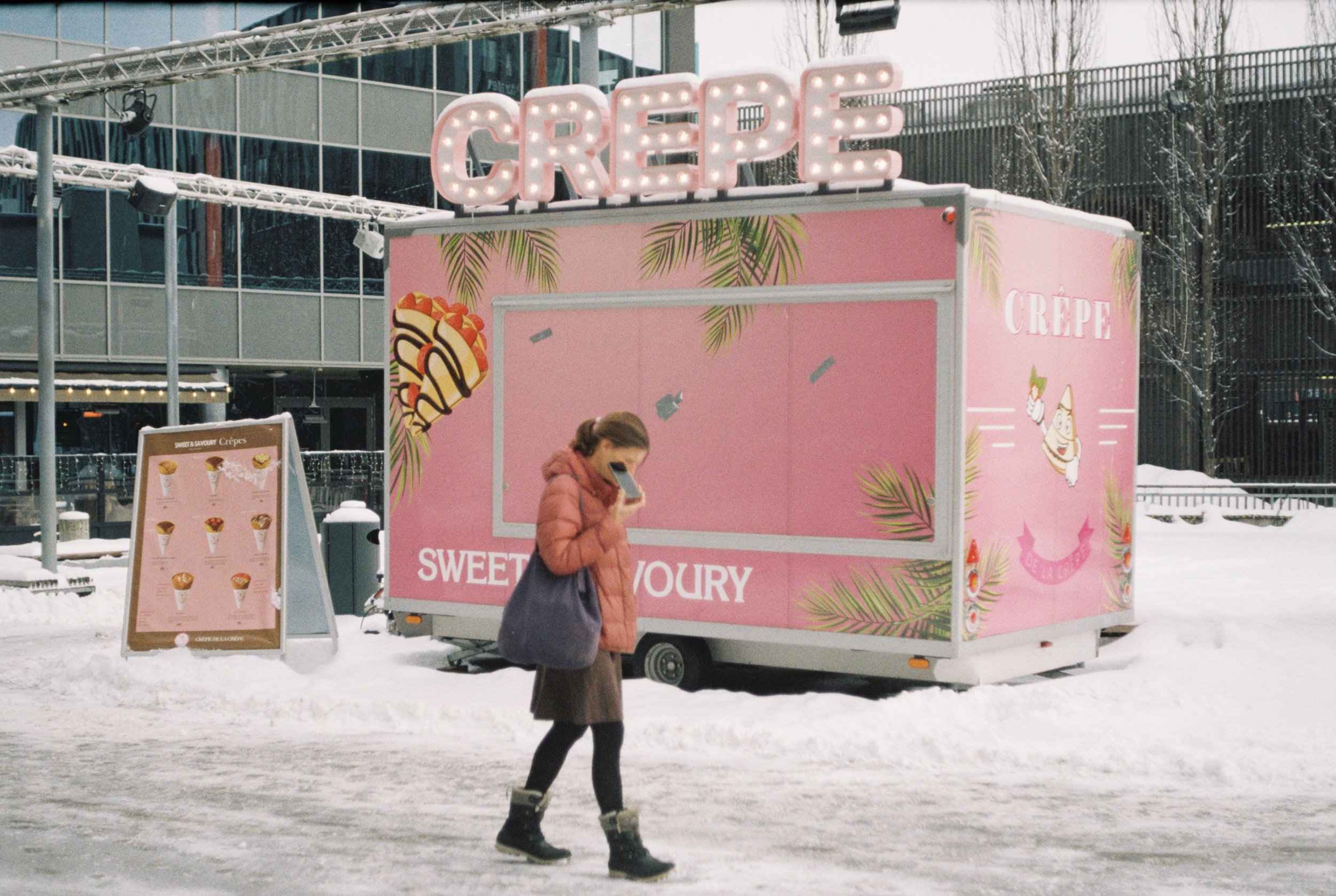
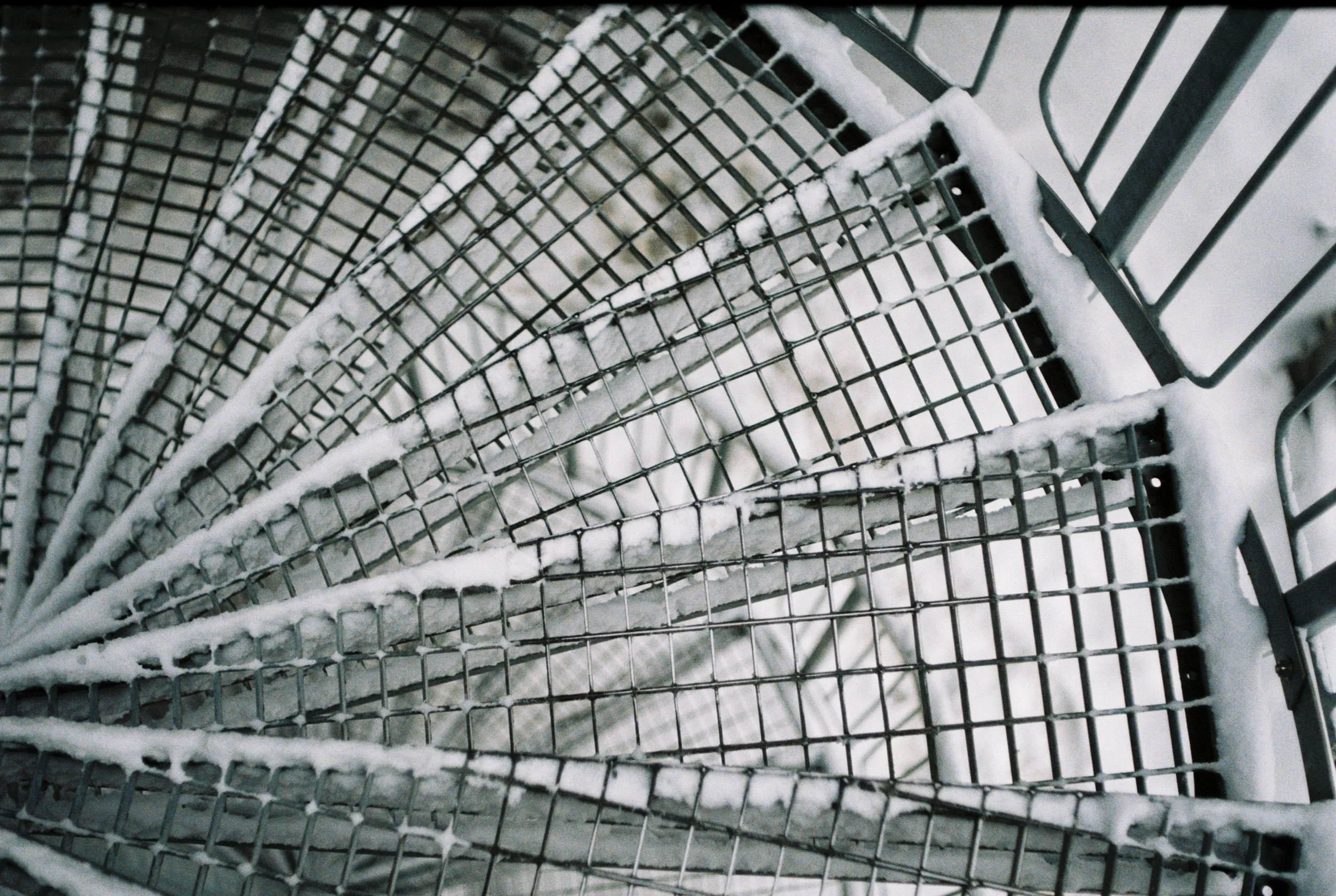
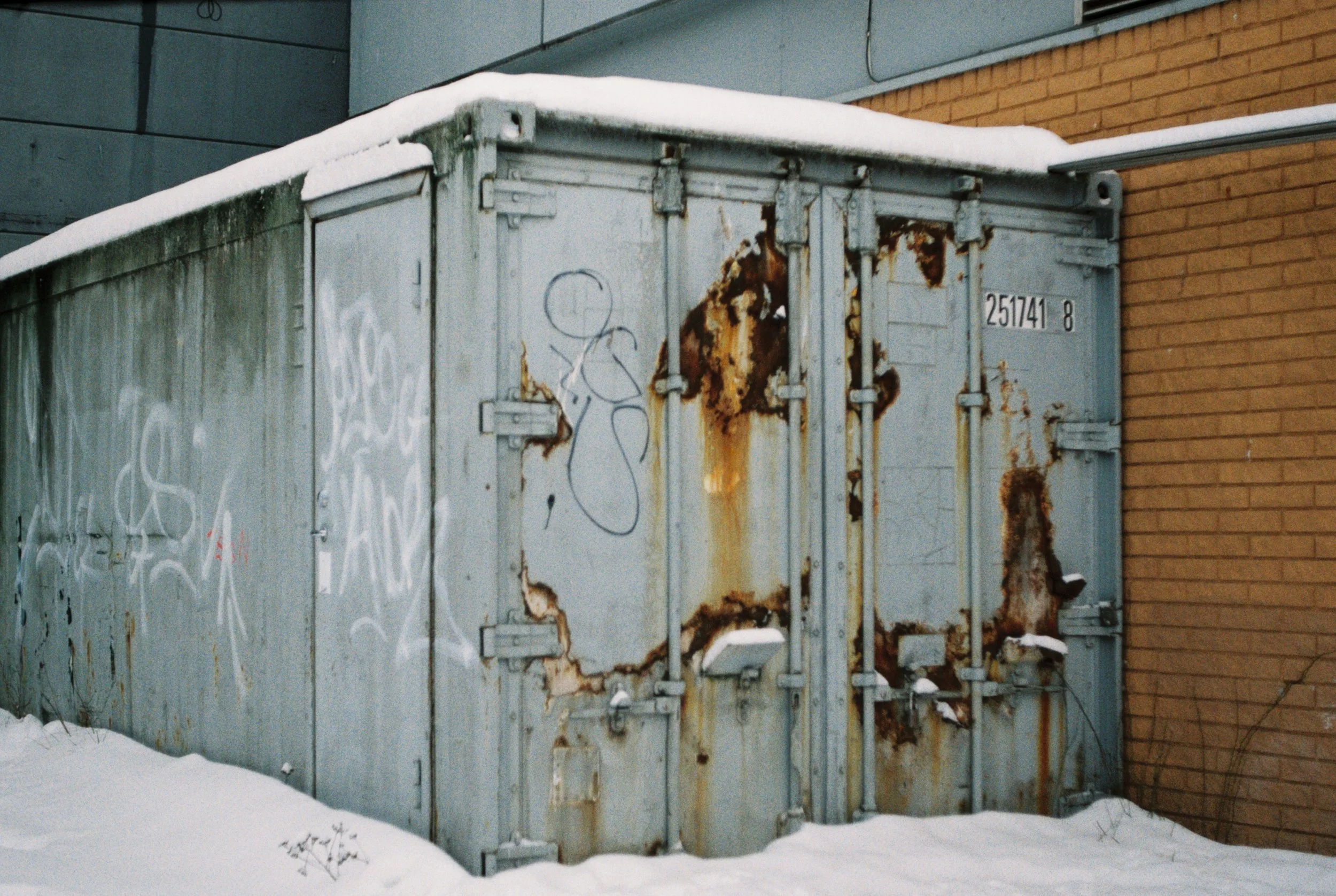
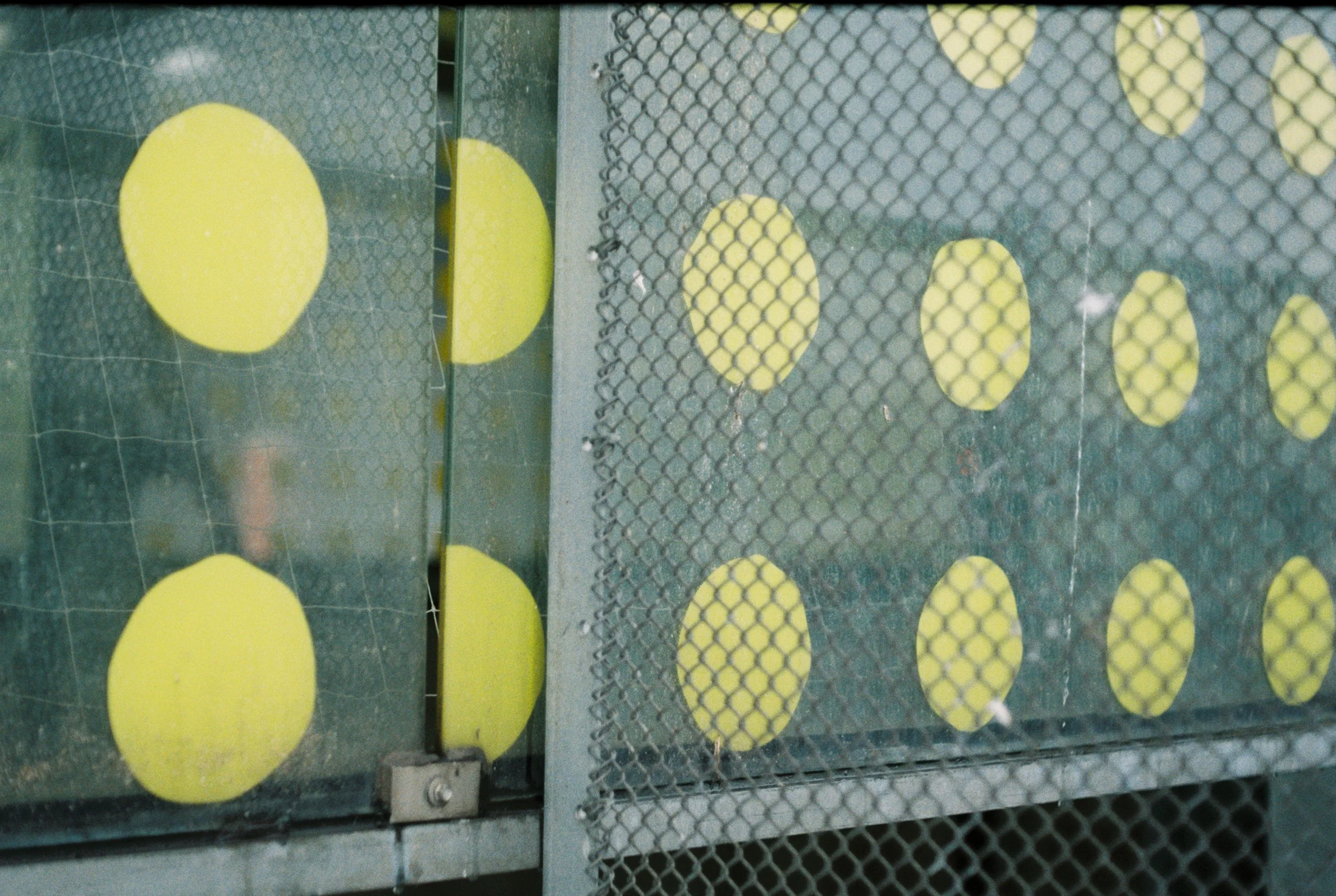
Here’s the catch. Using something so limiting turns you into an observer, a thinker, a planner, something else entirely. You slow down. You set your settings, decide on the shot, and sometimes don’t even take it. So why all this, you might ask? For a person like me, it’s a way to slow down. Not necessarily to take better shots, but to exercise the brain and wander.
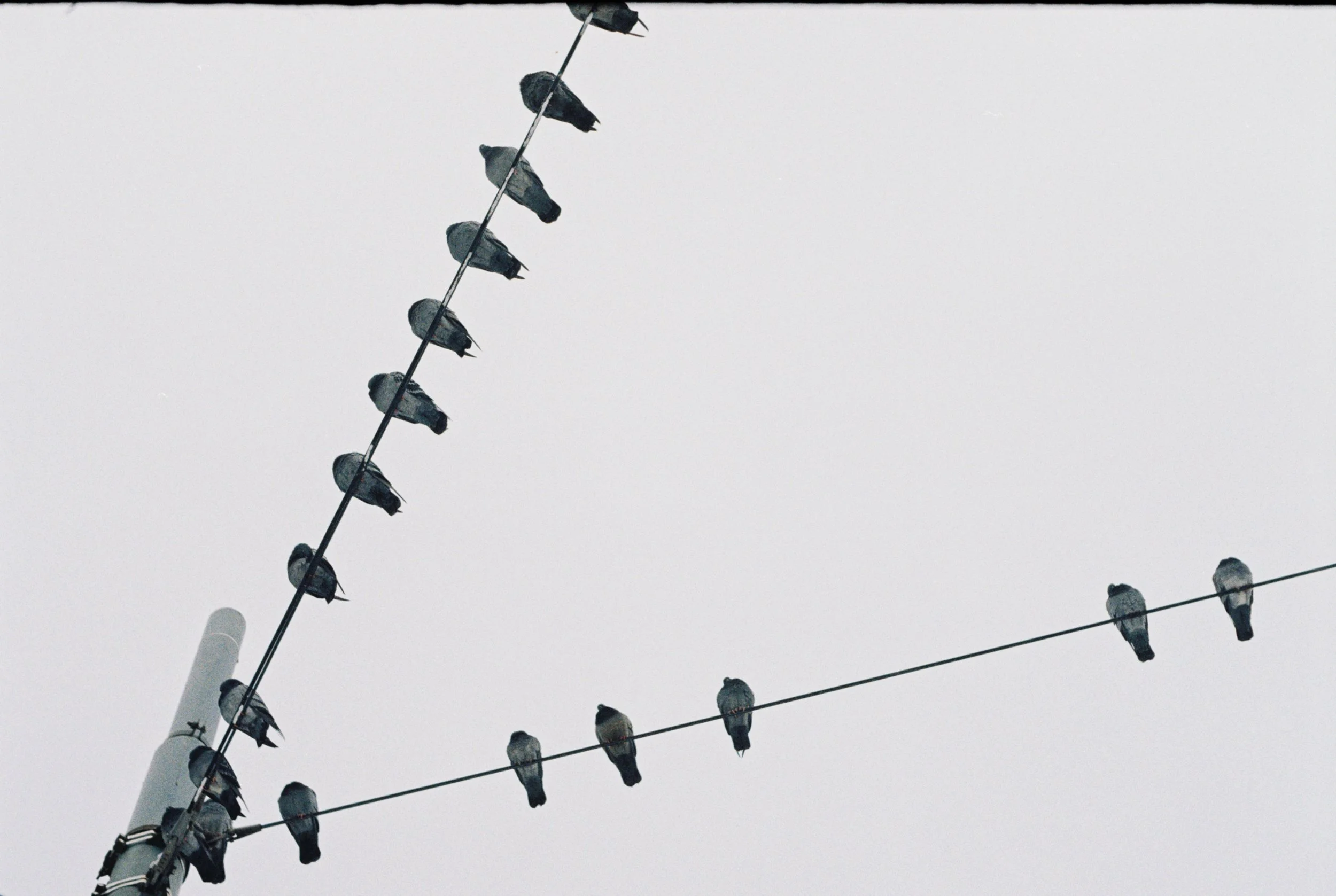
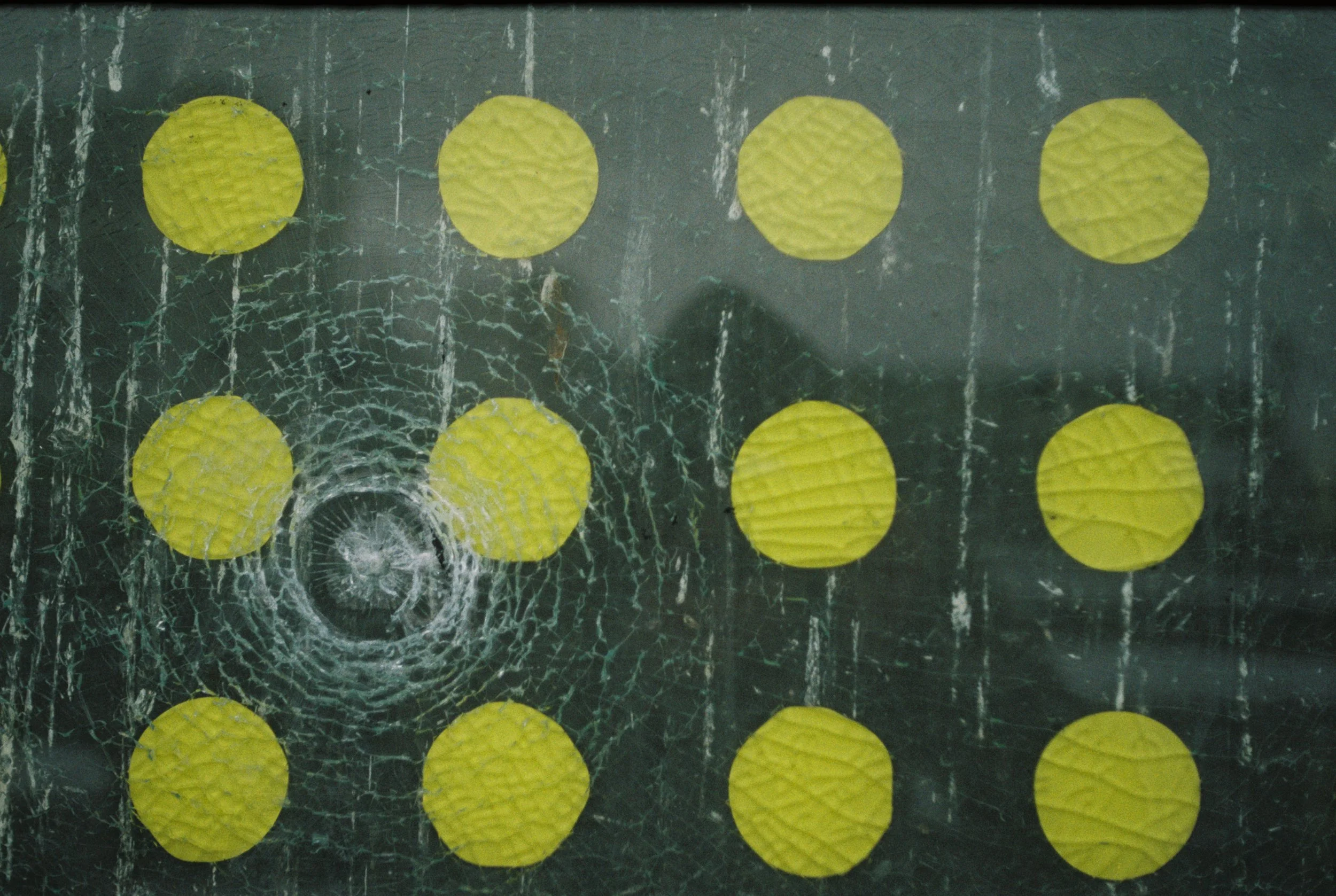
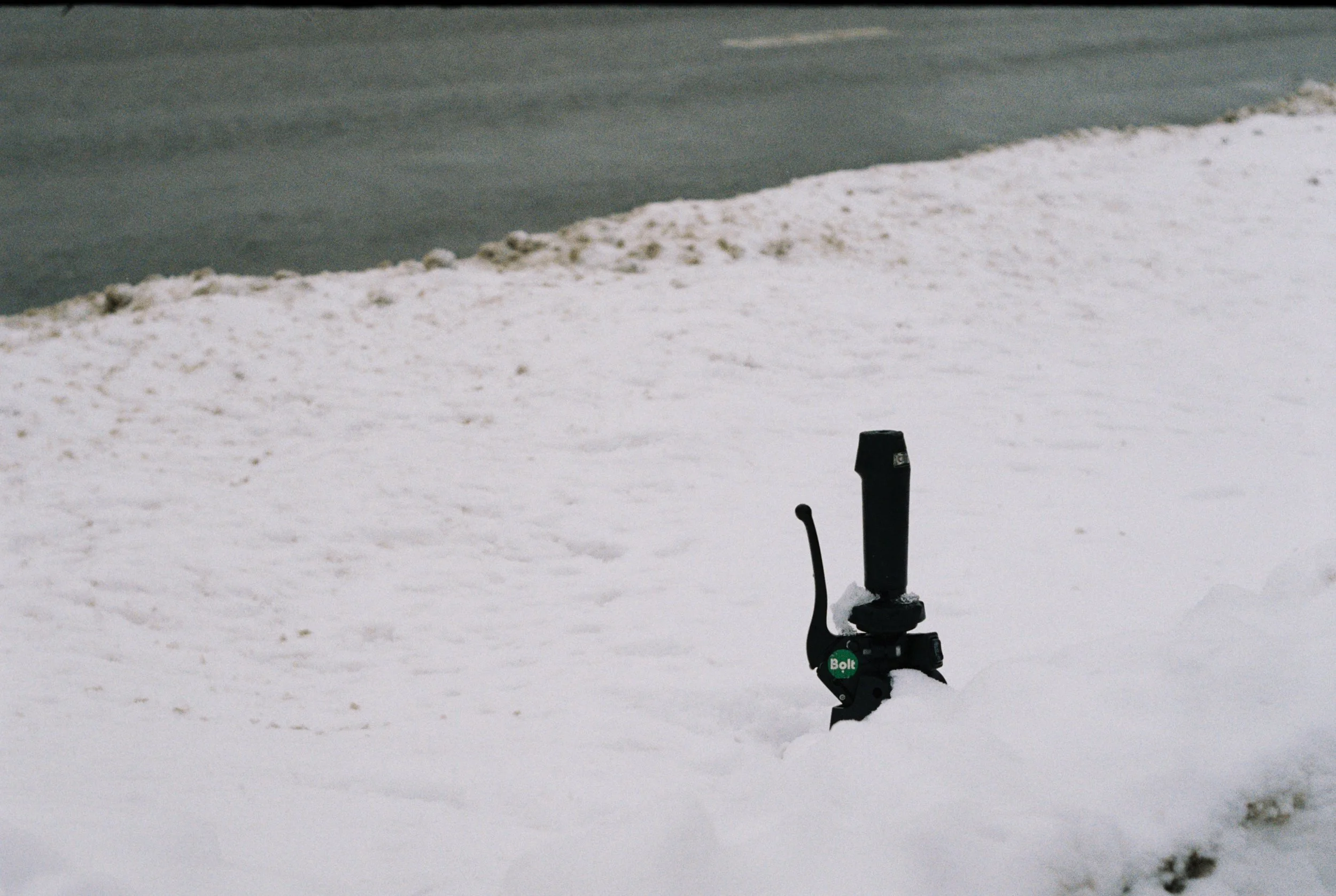
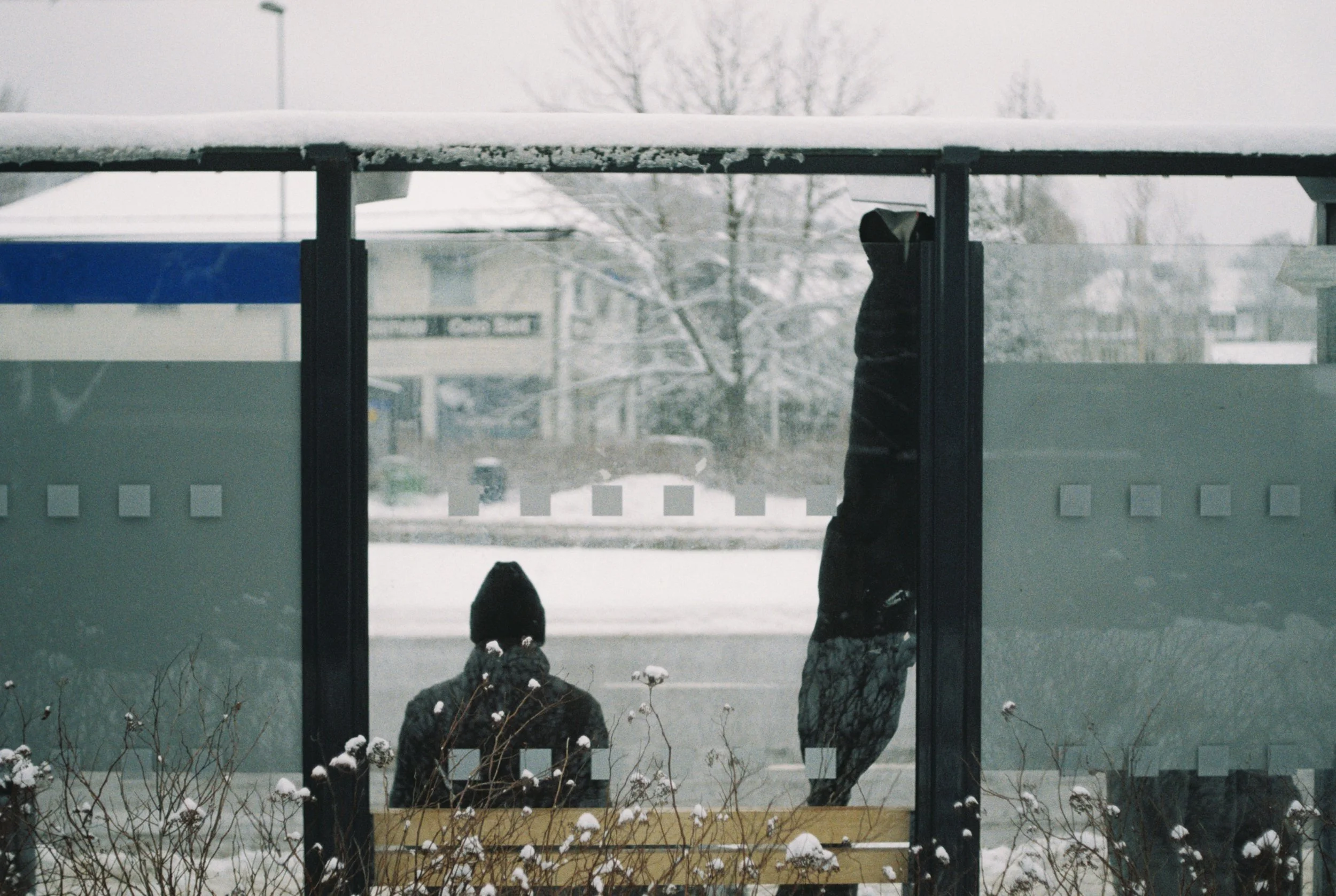
For me, the roll starts slowly. I want to spend a couple of hours with it before I send it for developing. I start at some point in the city. The first frames are test shots, testing whether I’ve forgotten how to use a manual camera. After years with digital, it feels like a lot of extra steps.
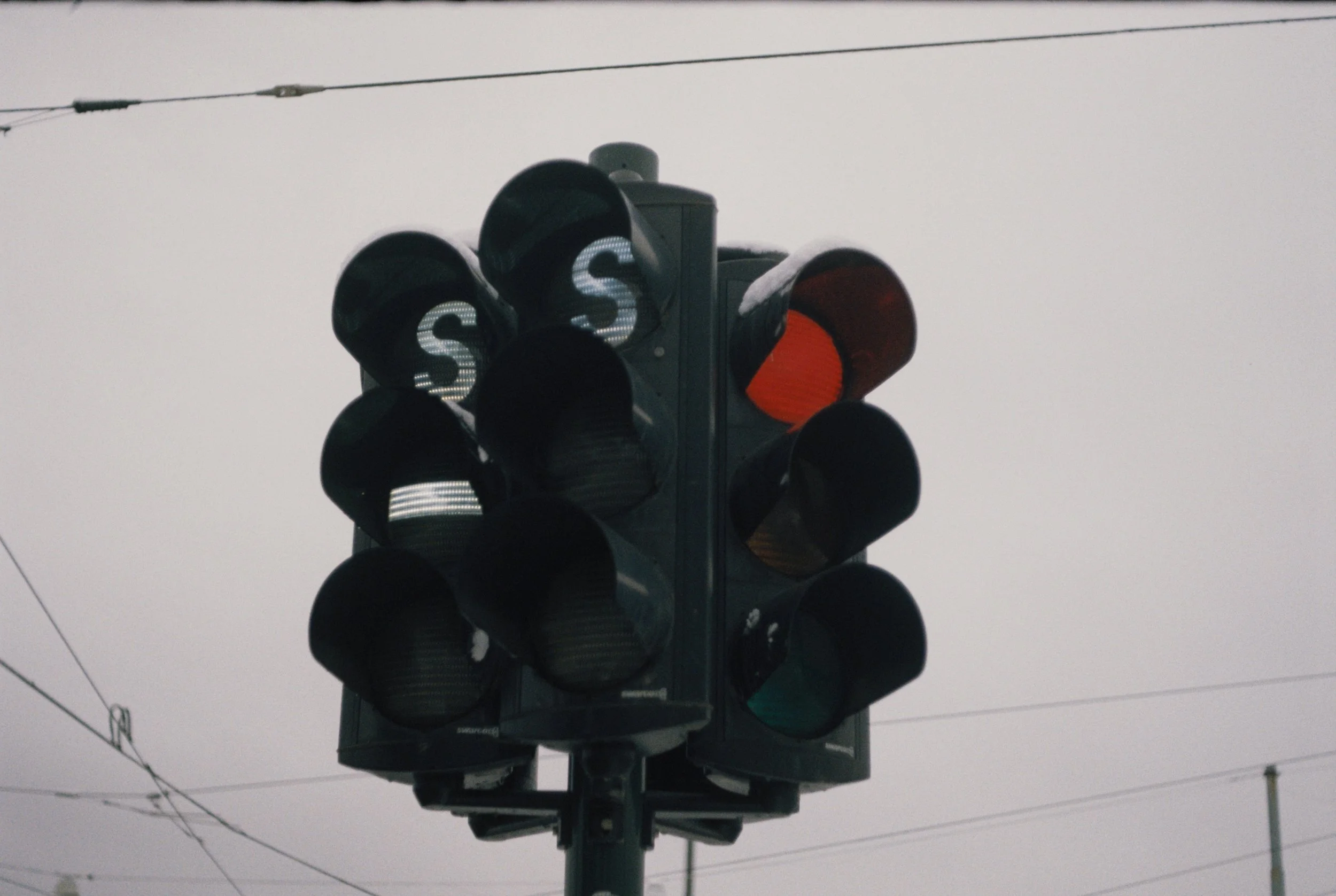
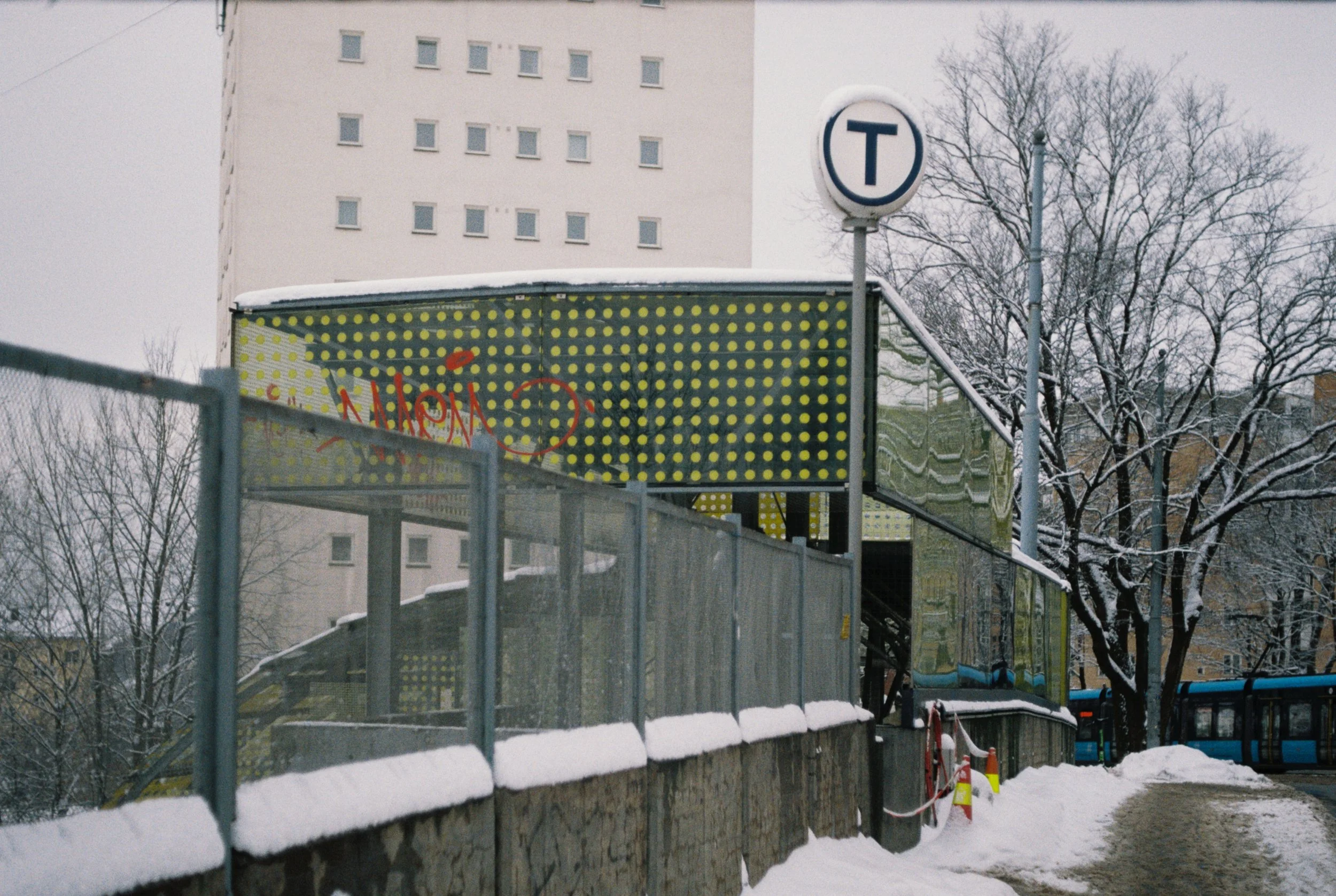
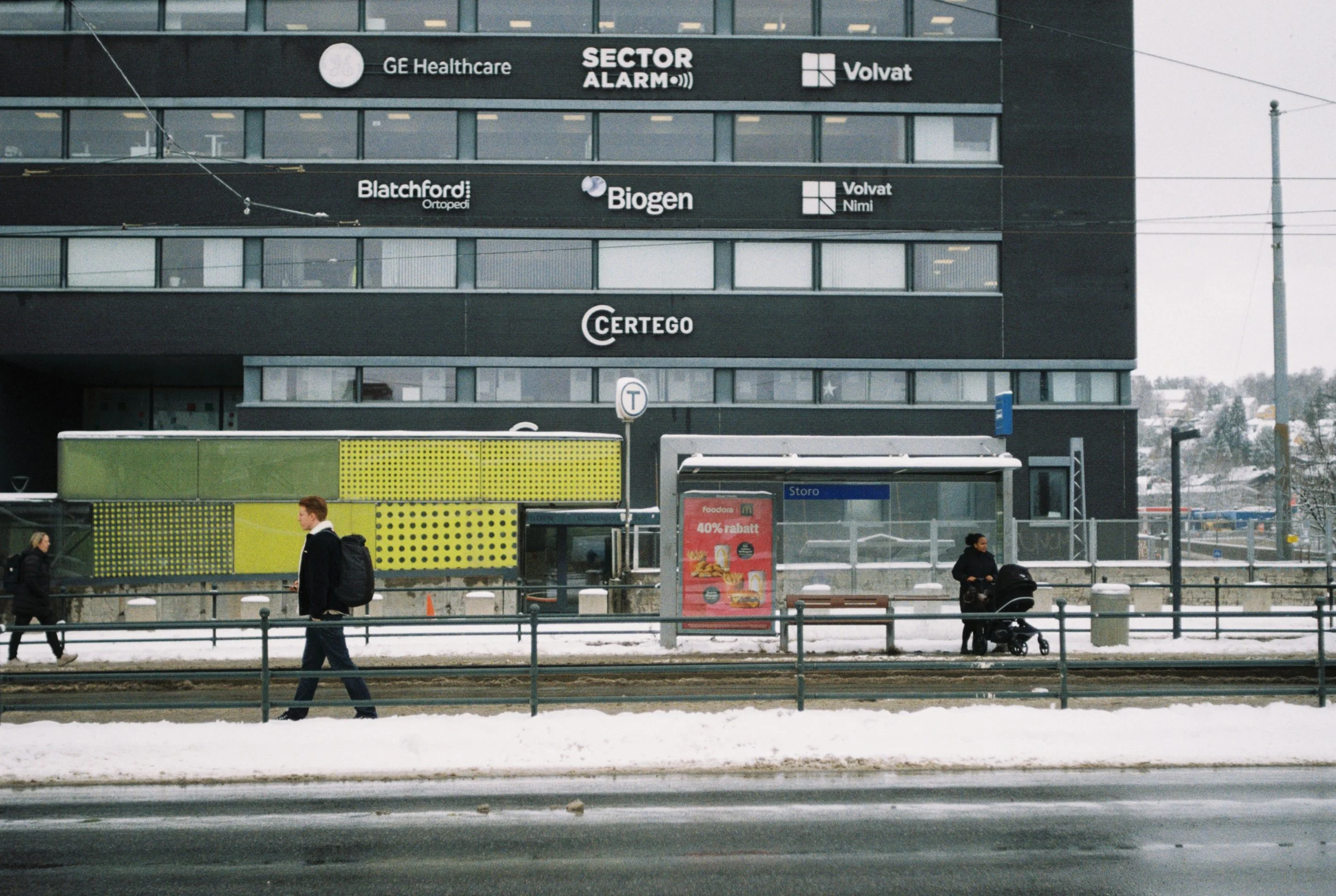
Focus. Set aperture. Set shutter speed. Advance. Adjust. Shoot.
No checking the back screen. Was it in focus? It teaches you to live with your choices, so with the next frame you become more careful, more curious, more precise, doing all the necessary steps and hoping for the best.
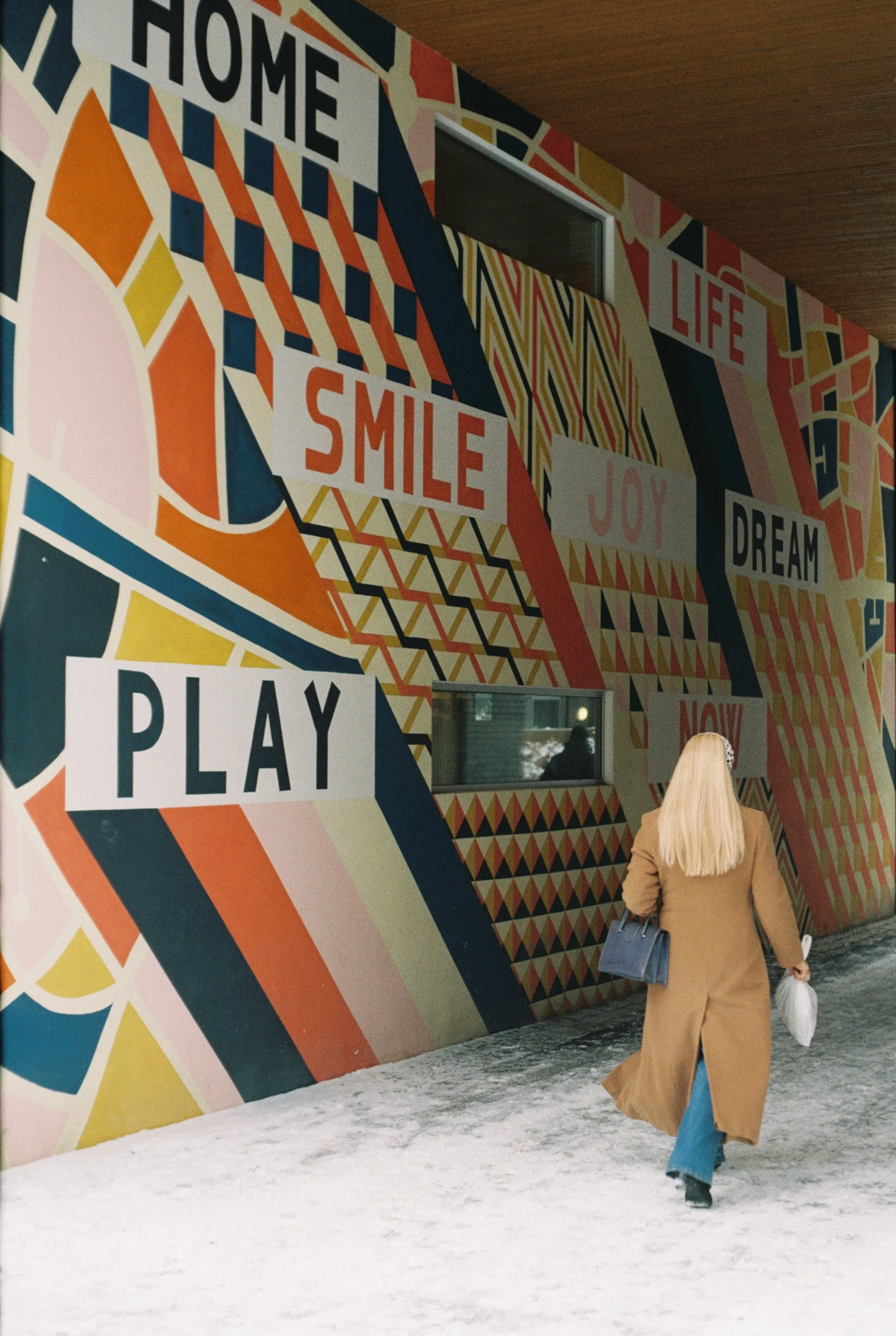
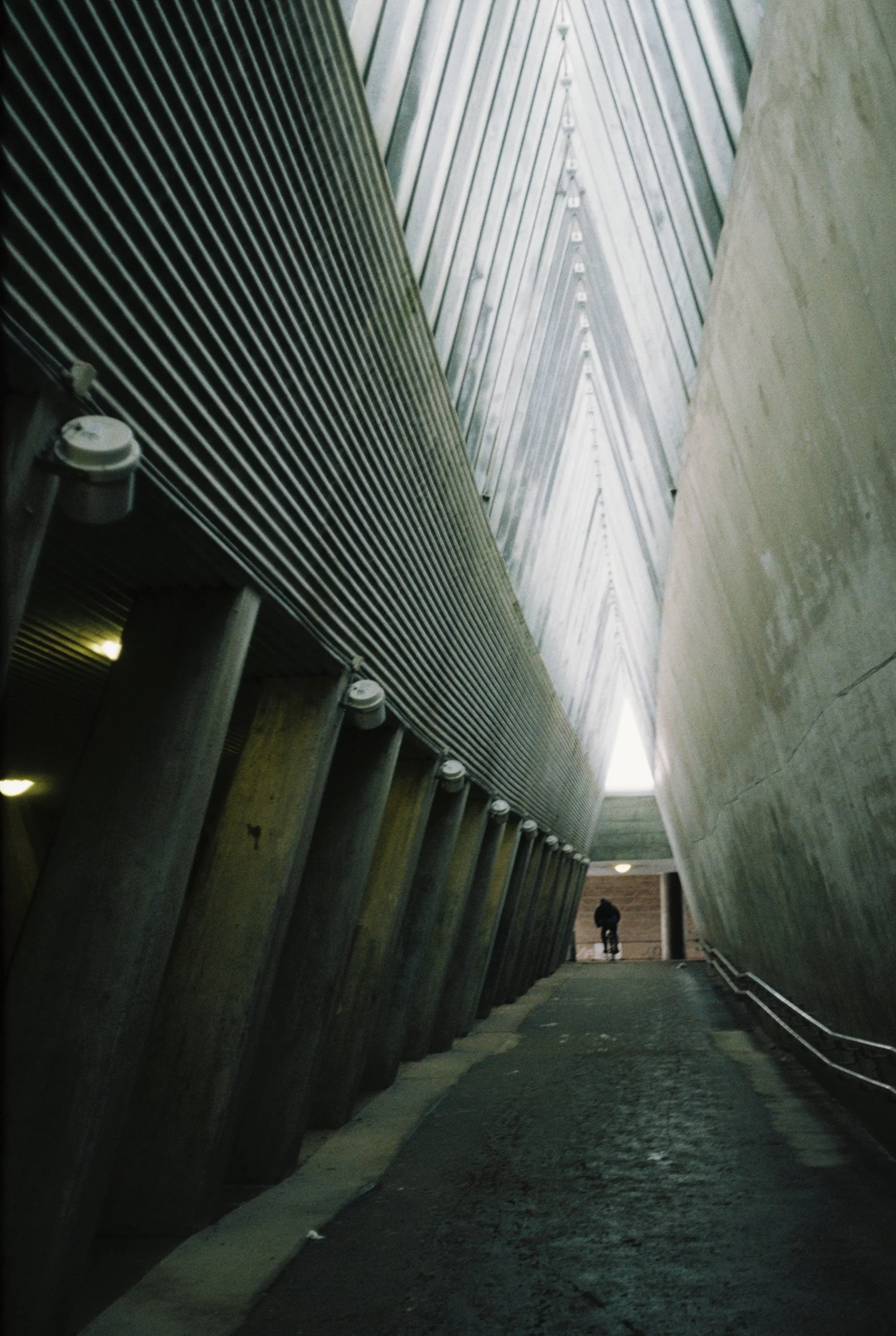
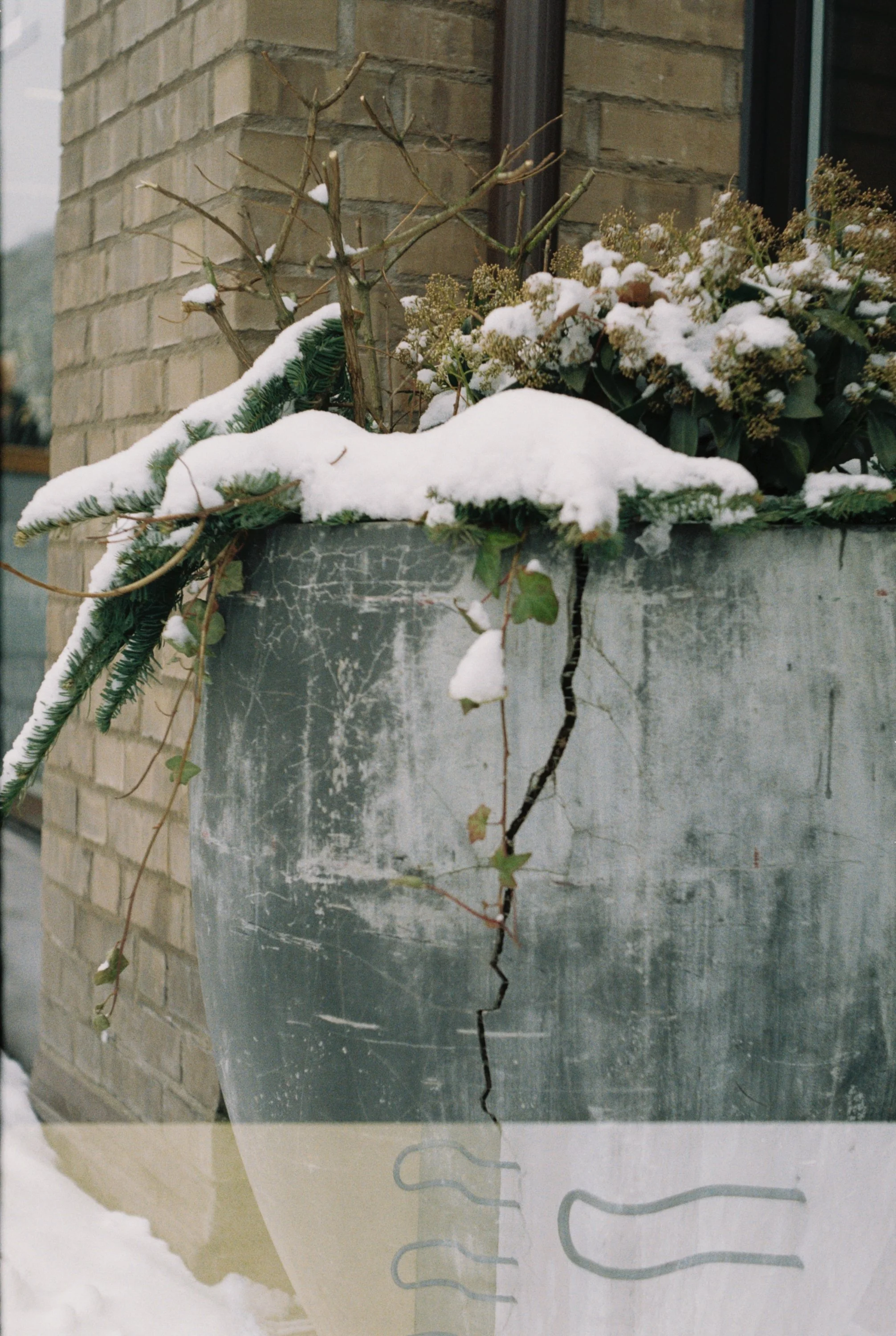
The first few frames are frantic. Then situations, shapes, and colors start to tempt you with compositions. Is it worth another frame? In the middle of the roll, you might almost forget that you’re shooting analog. Check the counter. How many shots left? The closer you get to the end, the more you start to wonder, will there be at least a few good shots on this roll?
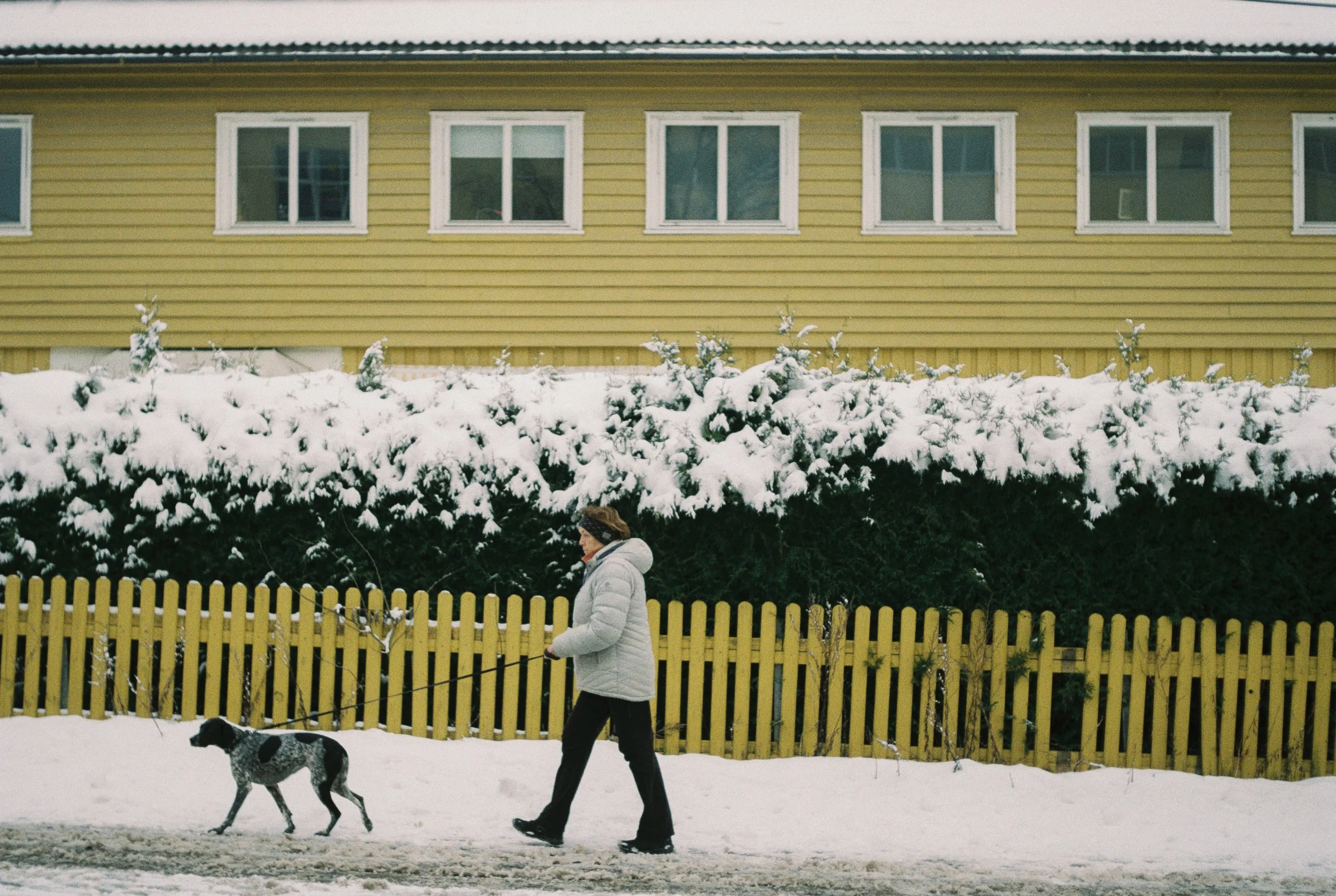
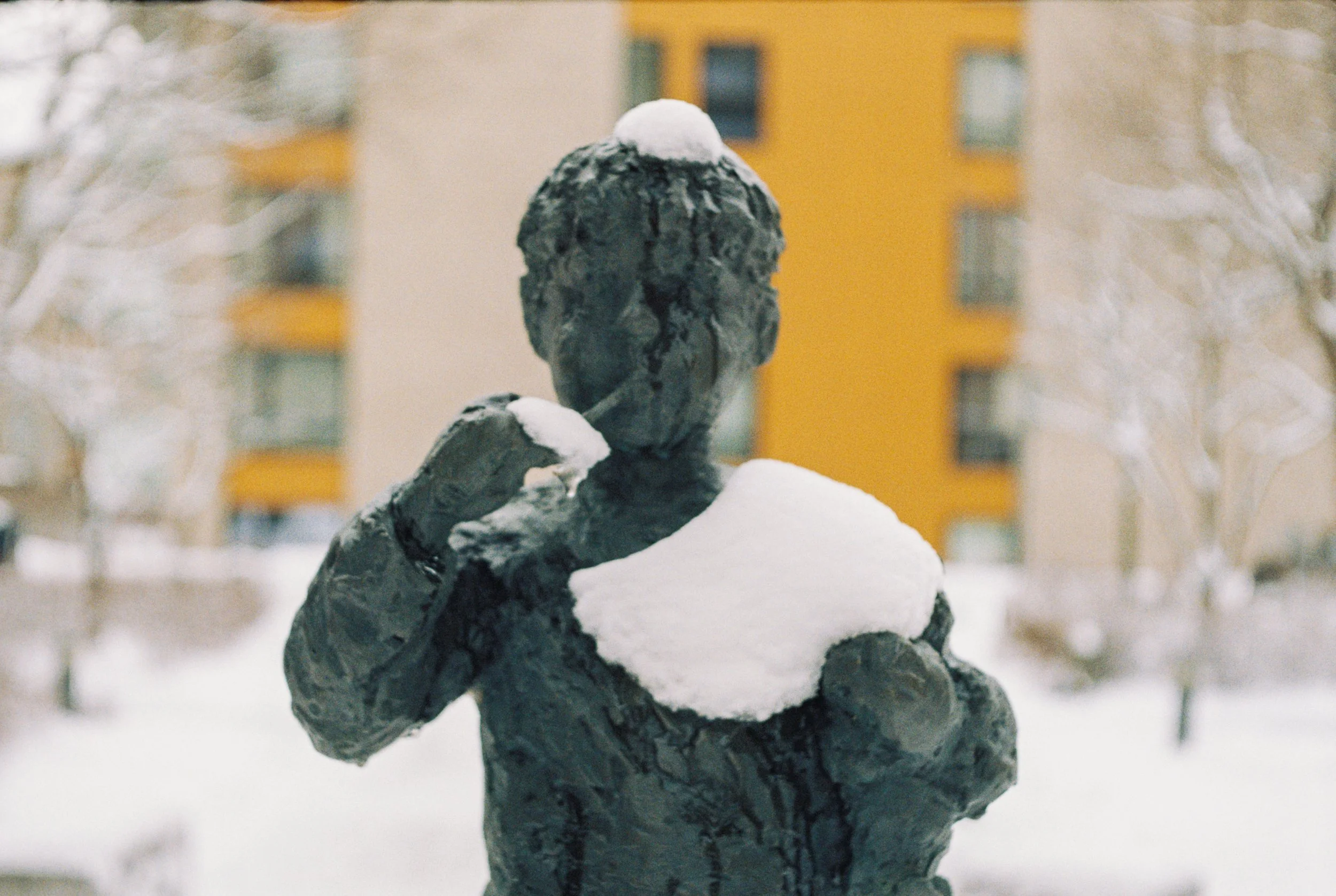
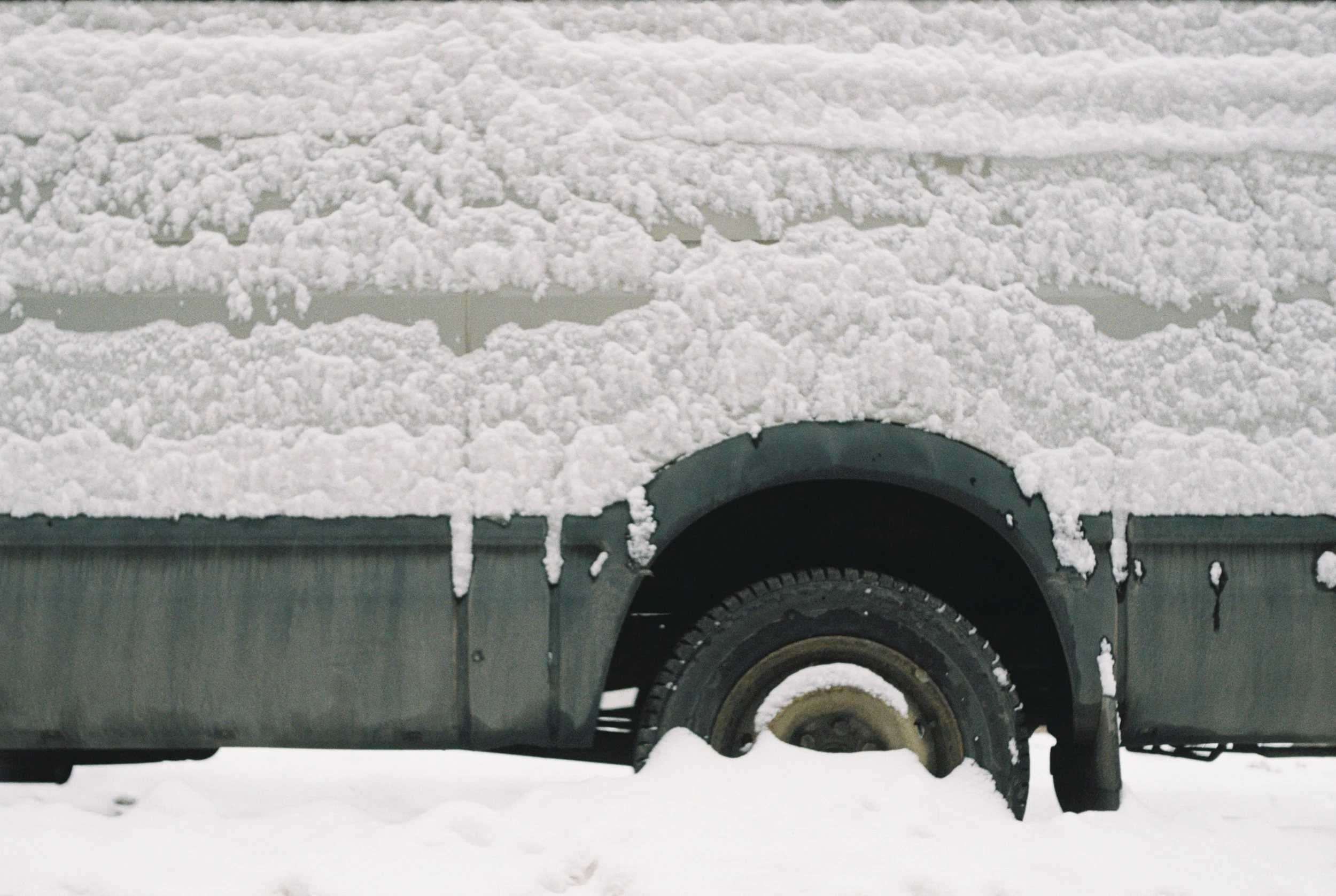
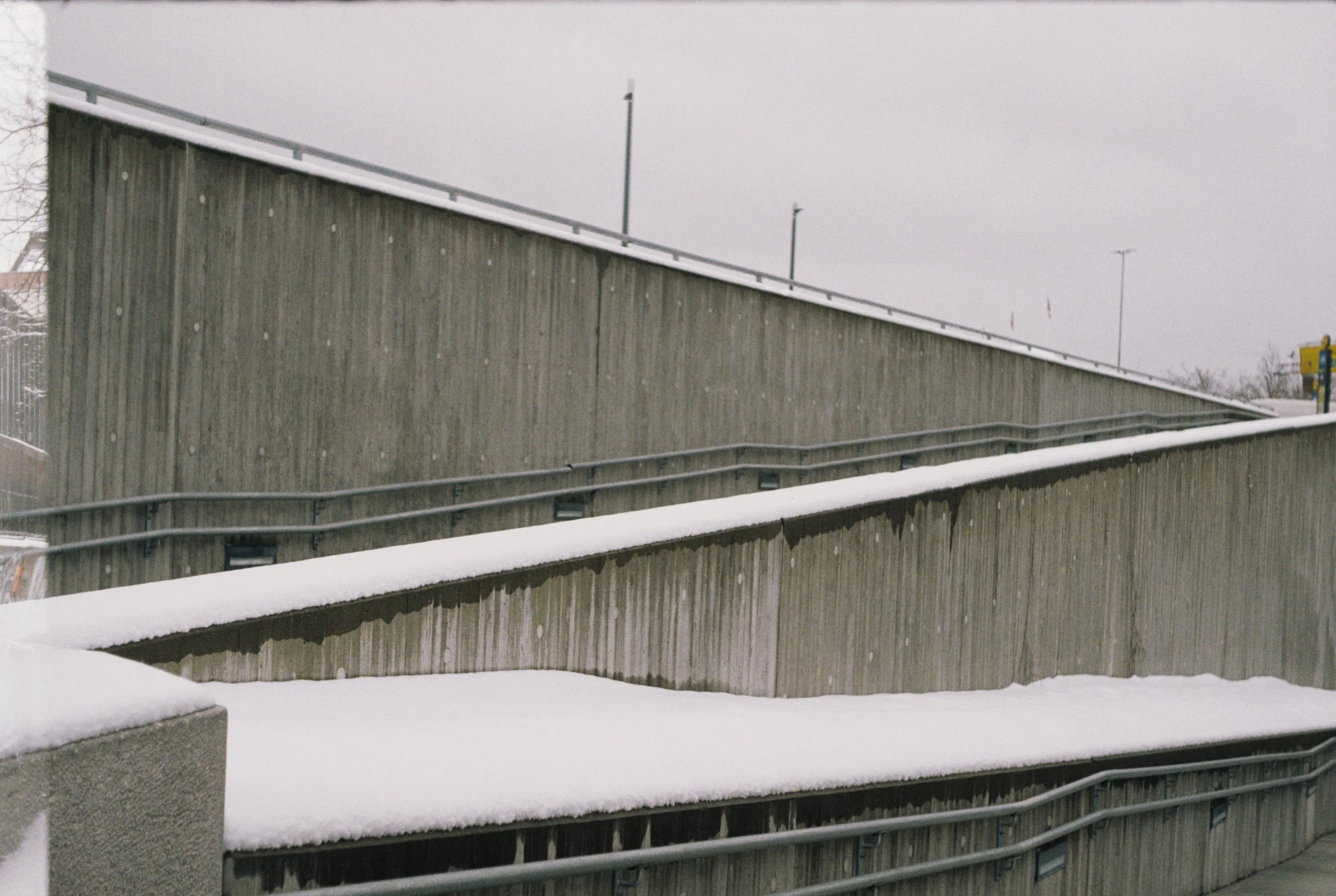
You take what feels like the final shot, and there’s still one frame left. The last one. It’s just a formality, but you want to make it count.
And then something unexpected happens.
Camera to eye level. A little smile.
Click.
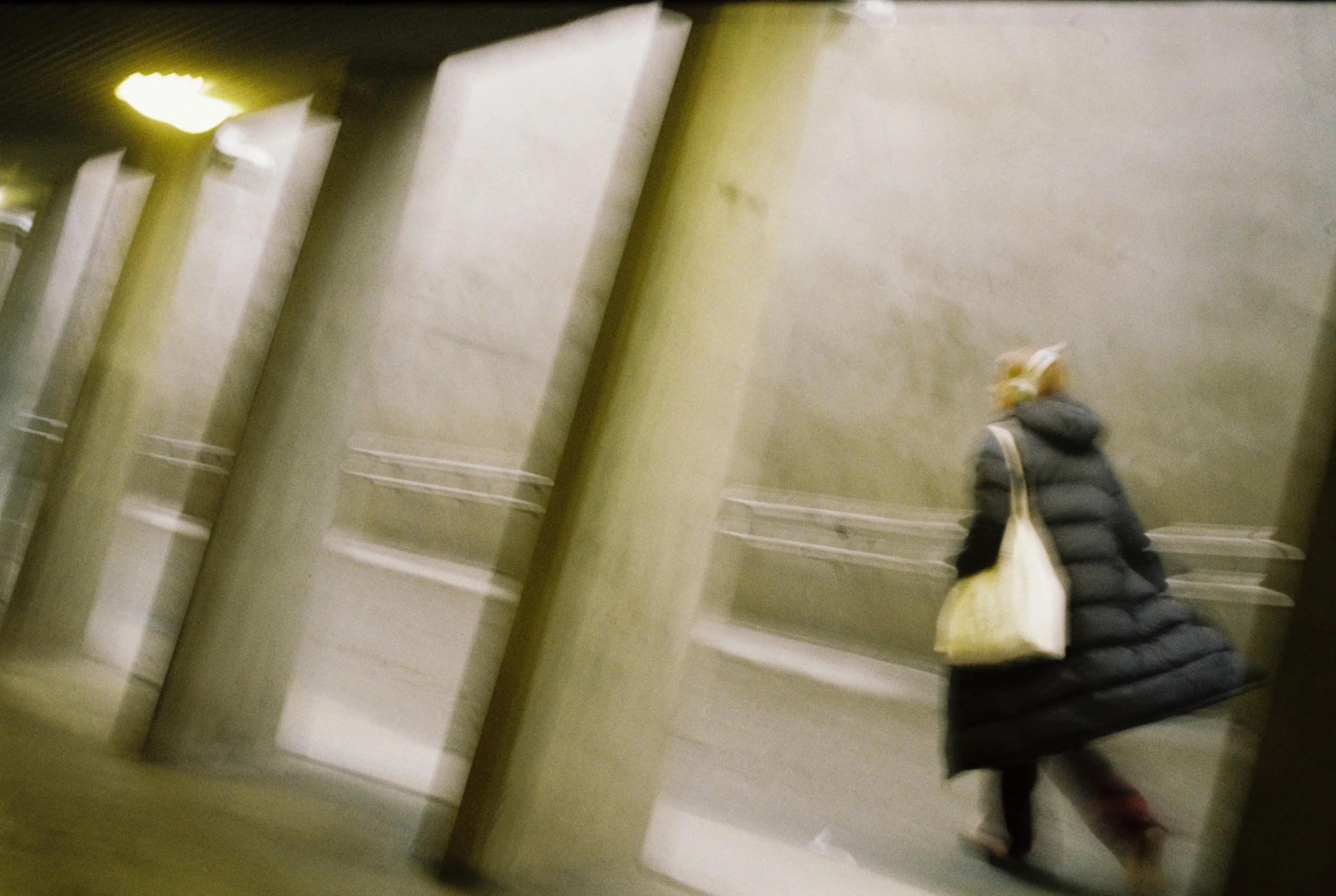
That was the last one, the unexpected one, the one that brought back the magic.
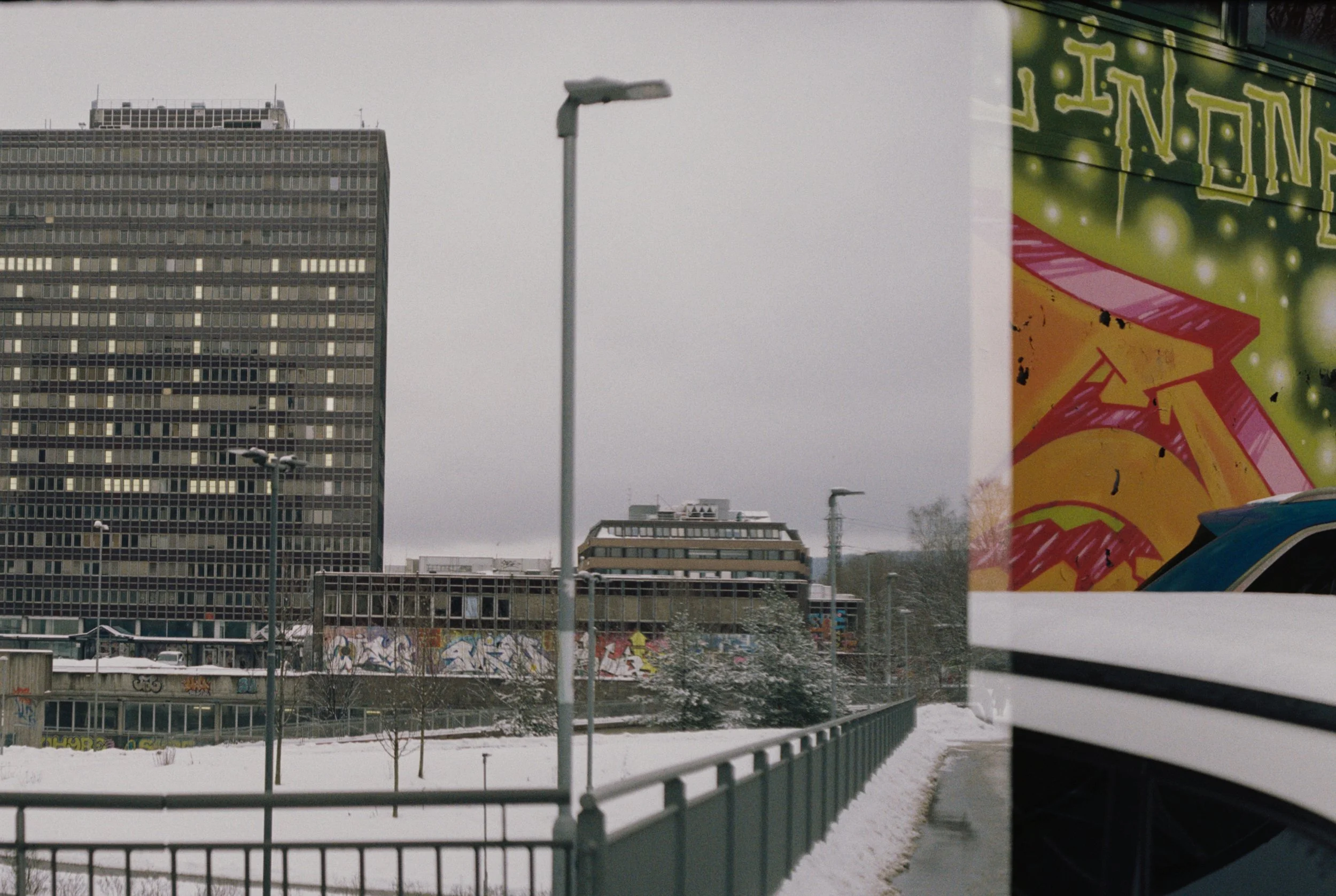
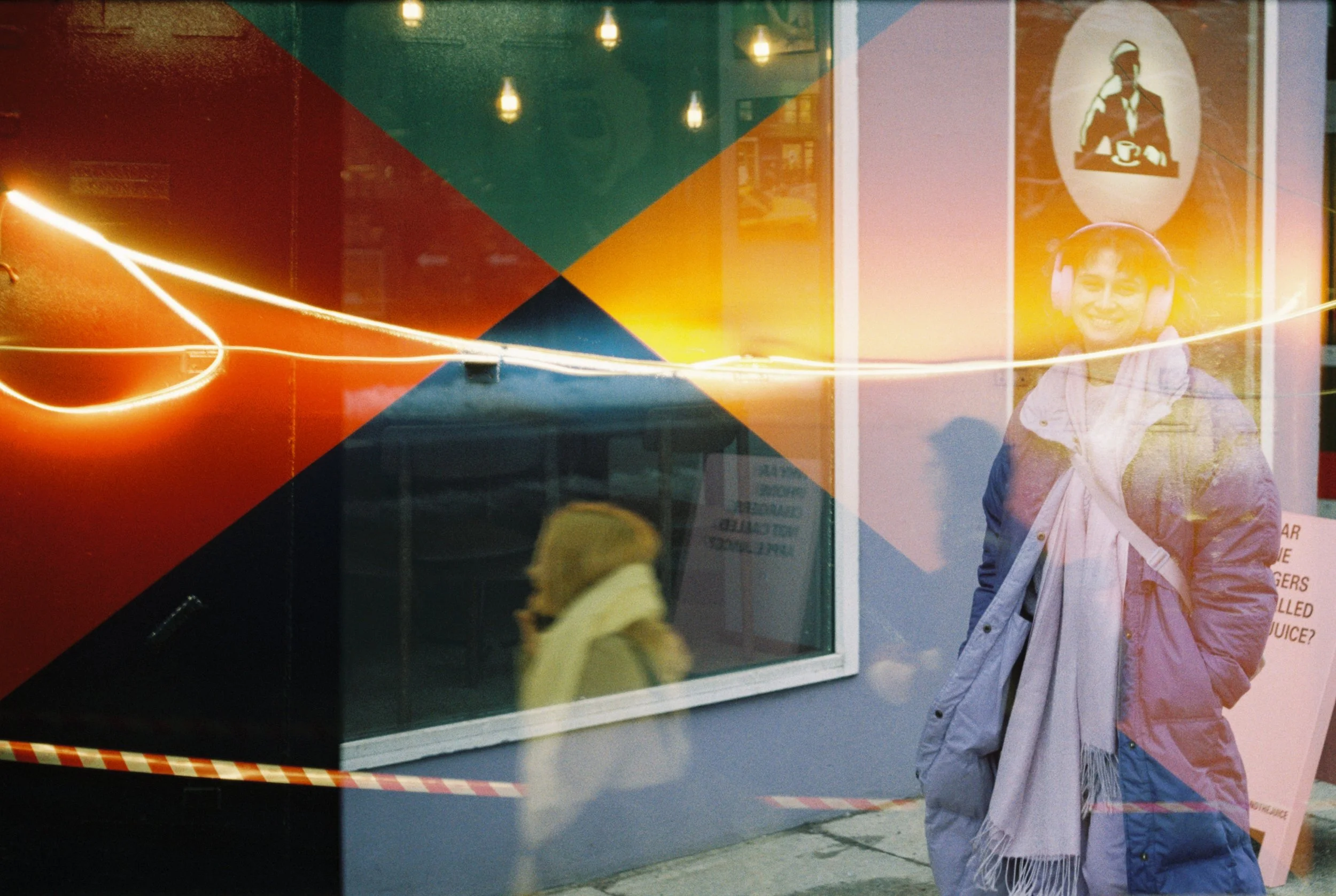
Magic smile, in accident double exposure
