
How Meeting Bryan Larkin and Carter Ferguson Rewired My Creative Eye.
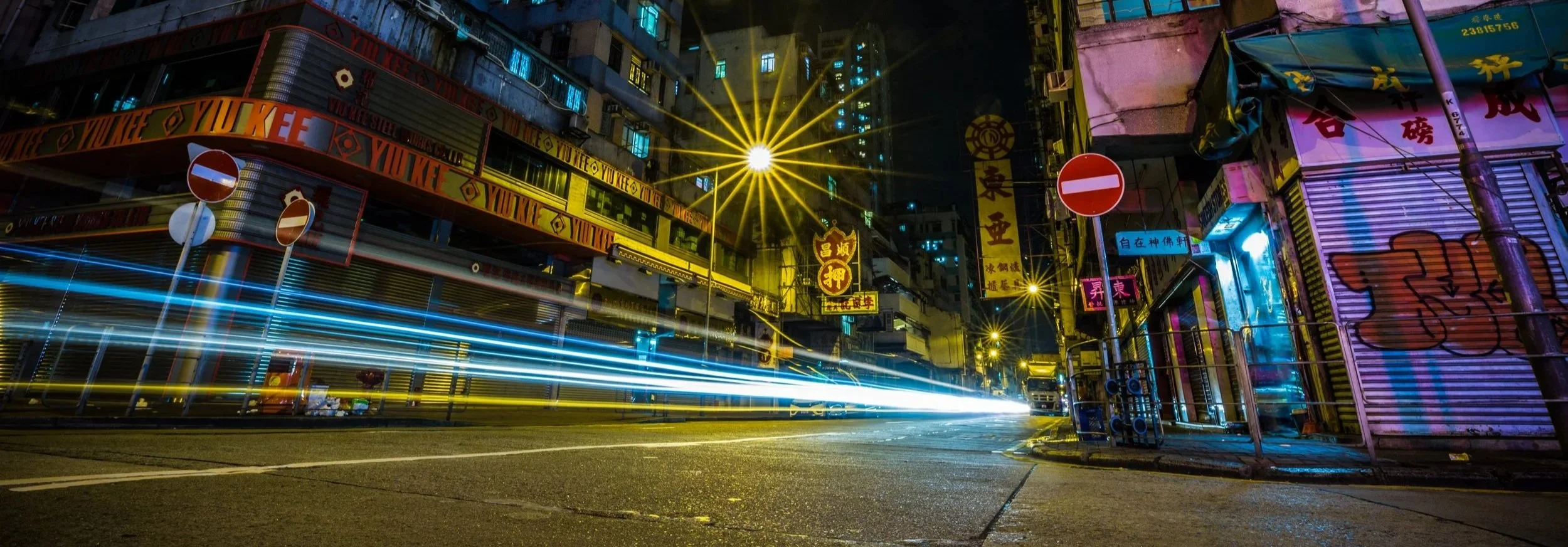
Photo: Thomas Sandfield
By 2016 I was deep into commercial work. Corporate videos, brand films, product shoots, fast turnarounds, and a clean, predictable workflow. It paid the bills and kept my technical skills sharp, but creatively I felt stuck. I knew how to deliver what clients wanted, but I did not know if I was pushing myself in the direction I truly cared about.
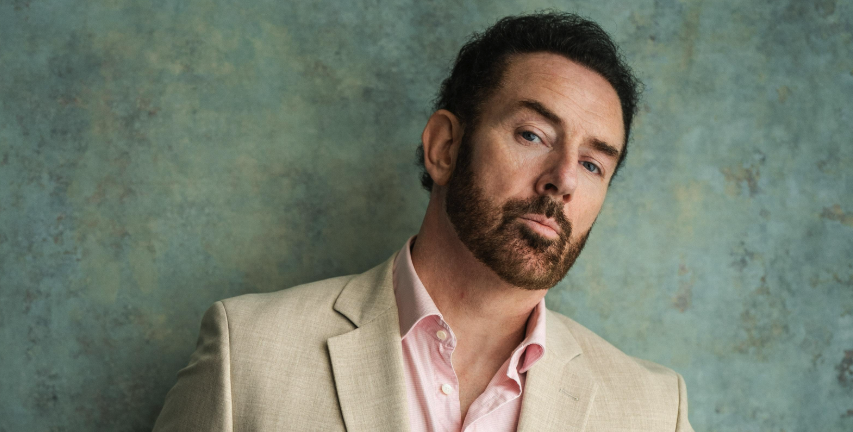
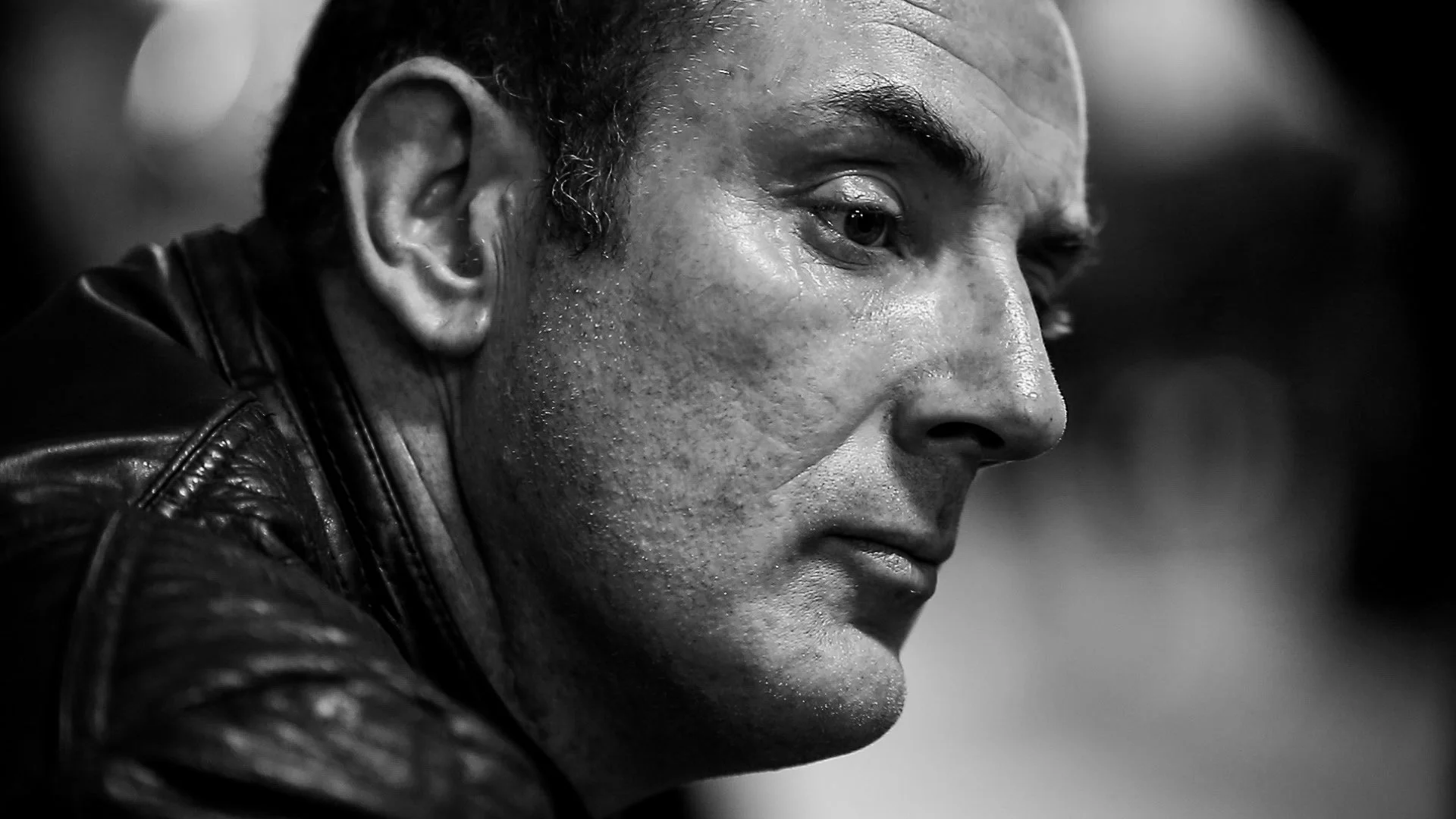
Bryan Larkin
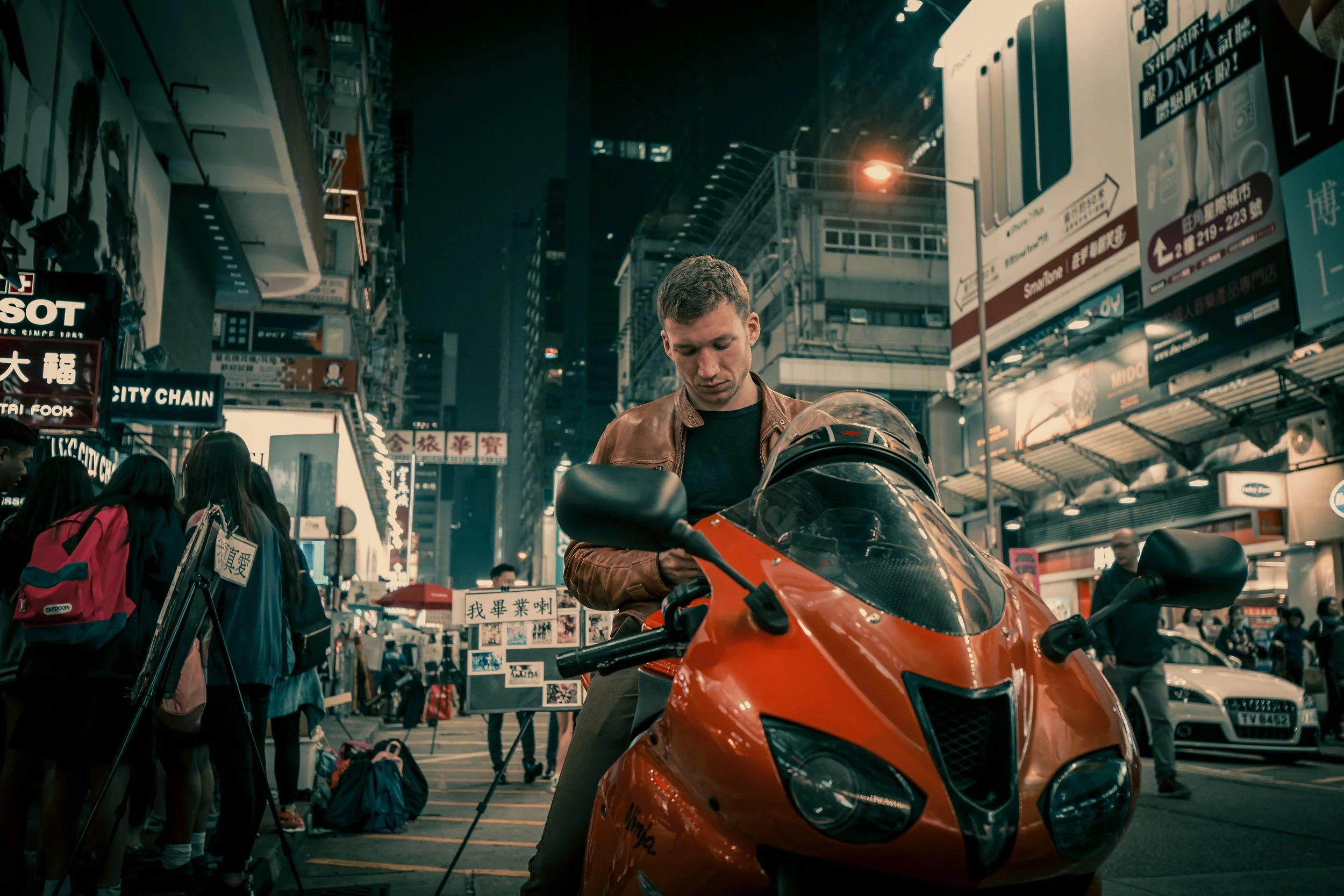
At the time I was living in Hong Kong, a city built for cinematography. Neon reflections on wet streets, chaotic markets, rooftop silhouettes, and the kind of atmosphere that makes every corner feel cinematic. The city was a constant reminder that storytelling did not have to be safe or predictable. I just needed a project that would force me out of the commercial mindset.
That moment arrived when I met Bryan Larkin ( link to imdb )
Bryan is an actor, writer, director, and filmmaker known for intense, character-driven performances across both independent films and major international productions. He won a BAFTA Scotland Award for his role in the short film Scene. His larger film credits include playing SAS Captain Will Davies in London Has Fallen and appearing in the Hong Kong action film Chasing the Dragon.
Beyond his filmography, Bryan is one of those rare collaborators who can recognise creative potential instantly. He works on instinct and reads people quickly. We connected through Hong Kong’s film community, and it did not take him long to notice something in the way I looked at scenes and light. Where I saw routine, Bryan saw something worth developing. He encouraged me to step outside the comfortable world of commercial work and into something raw, fast, and honest. That push became Dead End.
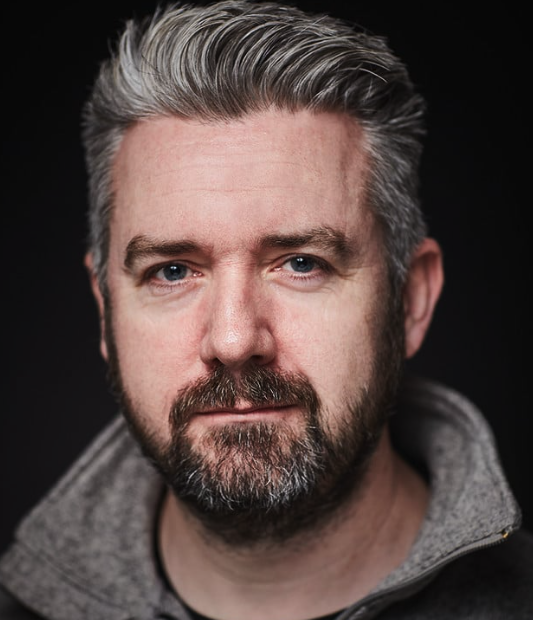
Carter Ferguson
So after a week of throwing ideas back and forth, Bryan had the script ready, but we needed a fight/stunt director who knew how to coordinate the action scenes at the level Bryan envisioned. So we brought in a crucial third piece of the puzzle.
Carter Ferguson, Scotland’s foremost fight and action coordinator, with over 900 film and television credits. His feature film credits include projects with Idris Elba, Samuel L. Jackson, James McAvoy, Kevin McKidd, Minnie Driver, and Steve Coogan.
I know, right! It is actually nuts to think about, for a person like me who has never worked in a movie-style environment, suddenly im teamed up with an elite team. I remember thinking, ok, now I need to really step up my own game. (Yes, I was nervous, and my imposter syndrome ghost was haunting me all the time )
And here is the part that still feels surreal to look back on. We flew Carter in from Scotland specifically for this short film. No major budget, no large production, just belief in the project and a team that wanted to create something unforgettable. The fact that he boarded a flight for a small film in Hong Kong says everything about the trust and ambition behind Dead End.
With Bryan’s vision, Carter’s precision, and my work behind the camera, the project suddenly became much bigger than a short film. It became a creative turning point.
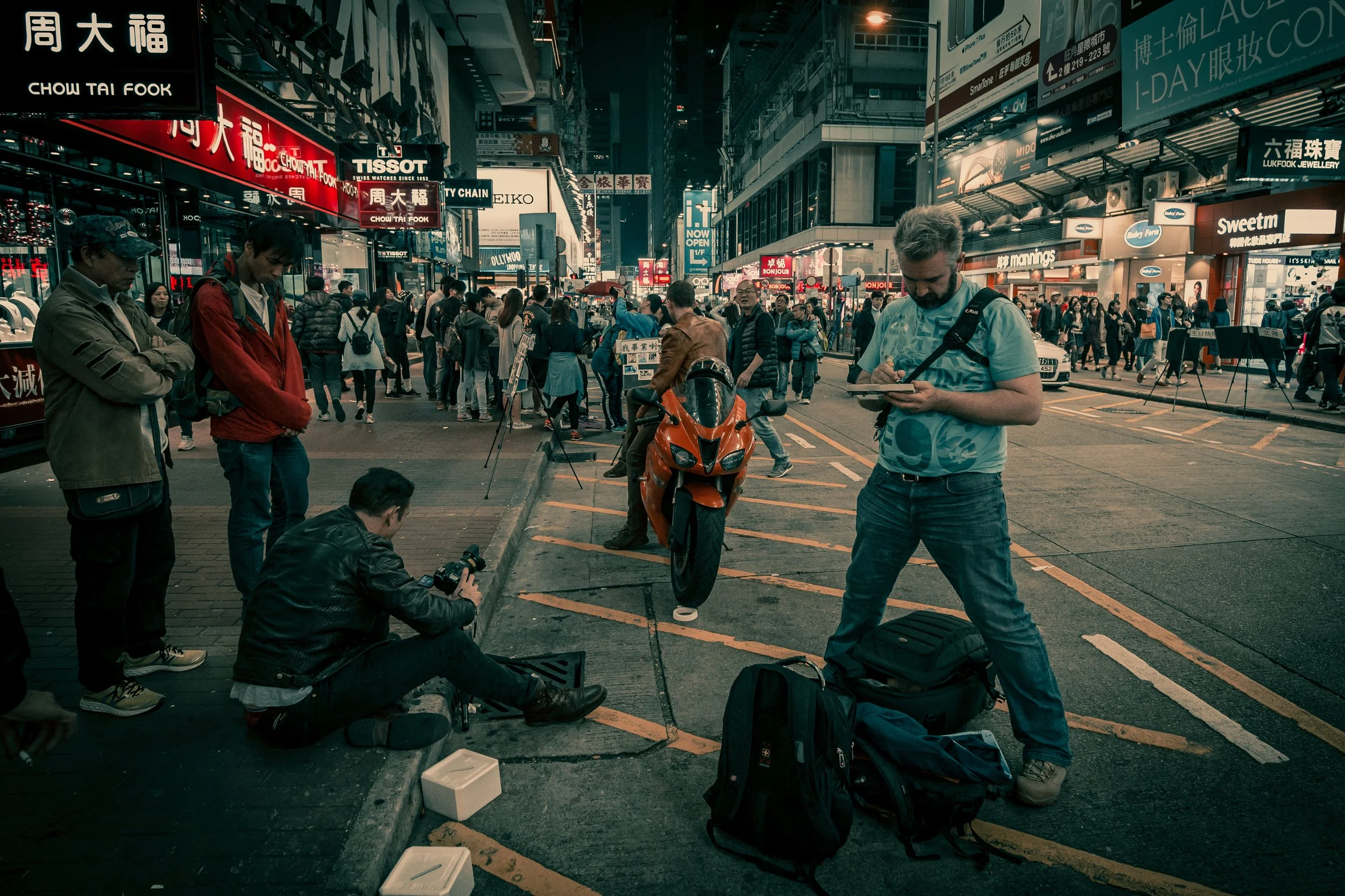
We shot Dead End guerrilla style through Hong Kong’s streets, and some in England and in the US. No special permits. No safety nets. Only instinct, atmosphere, pressure, and the constant awareness that the city was alive around us. When you shoot that way, you stop second-guessing yourself. You follow the daylight, adjust your camera settings in a fast-paced tempo.
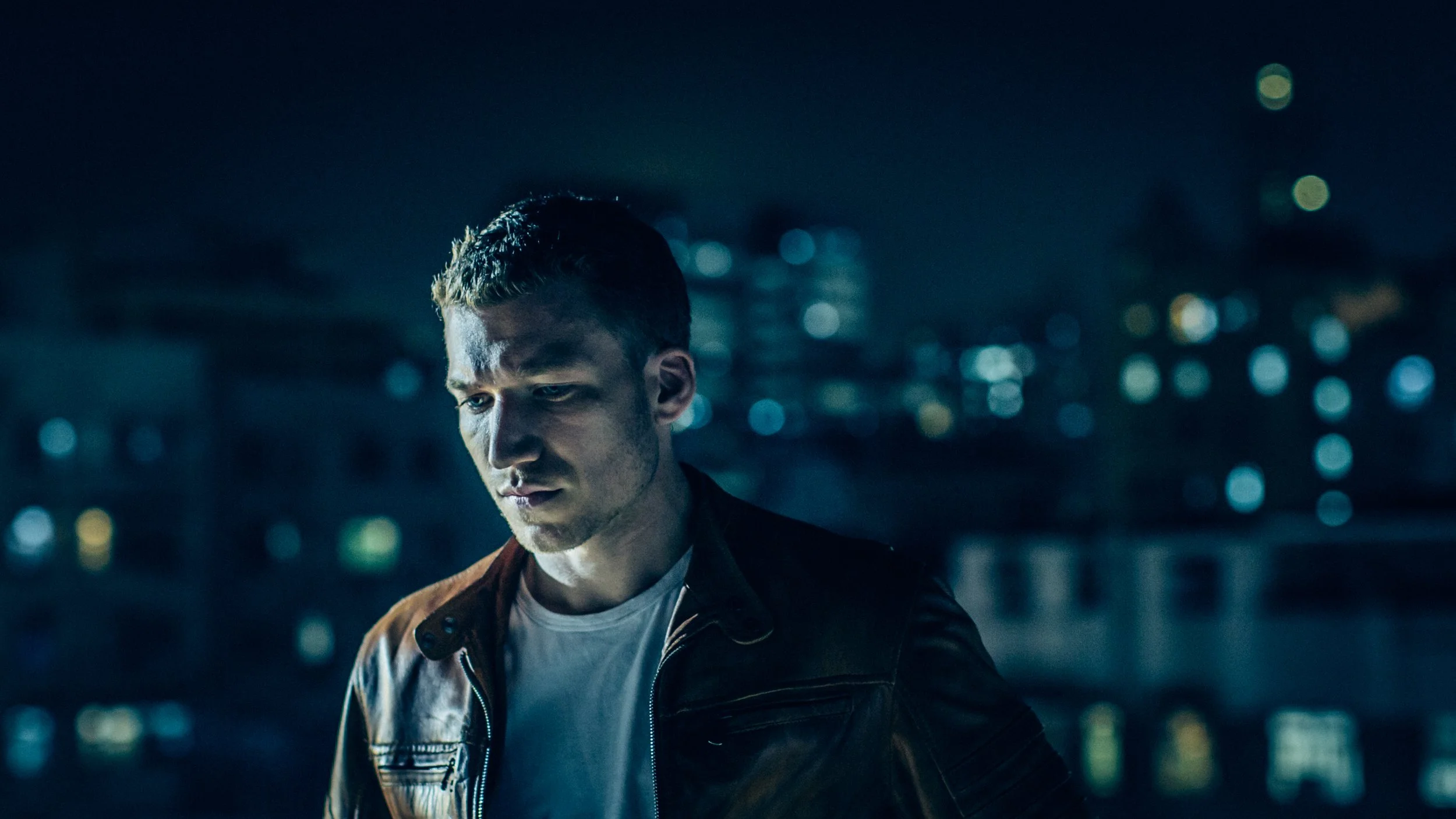
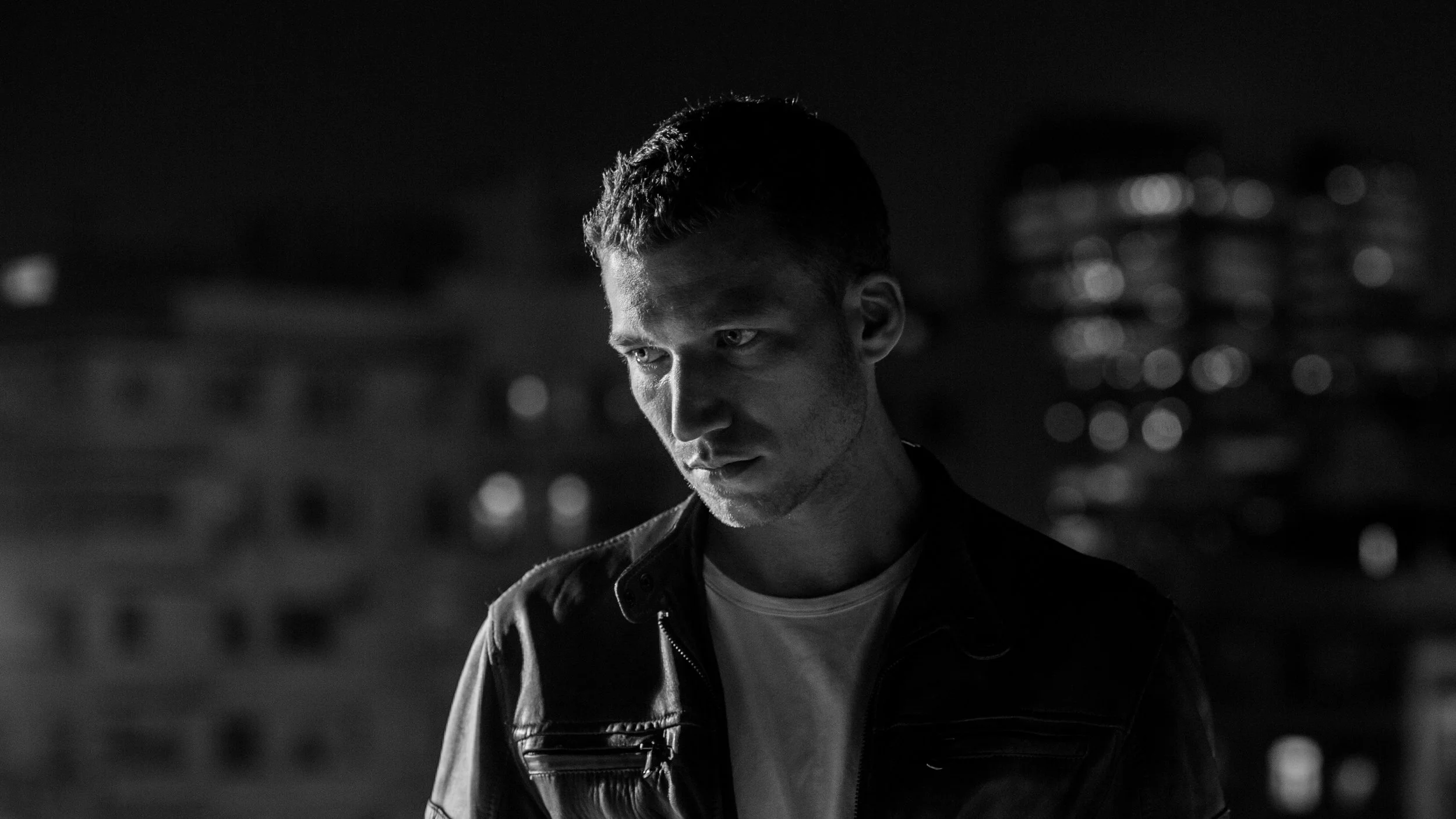
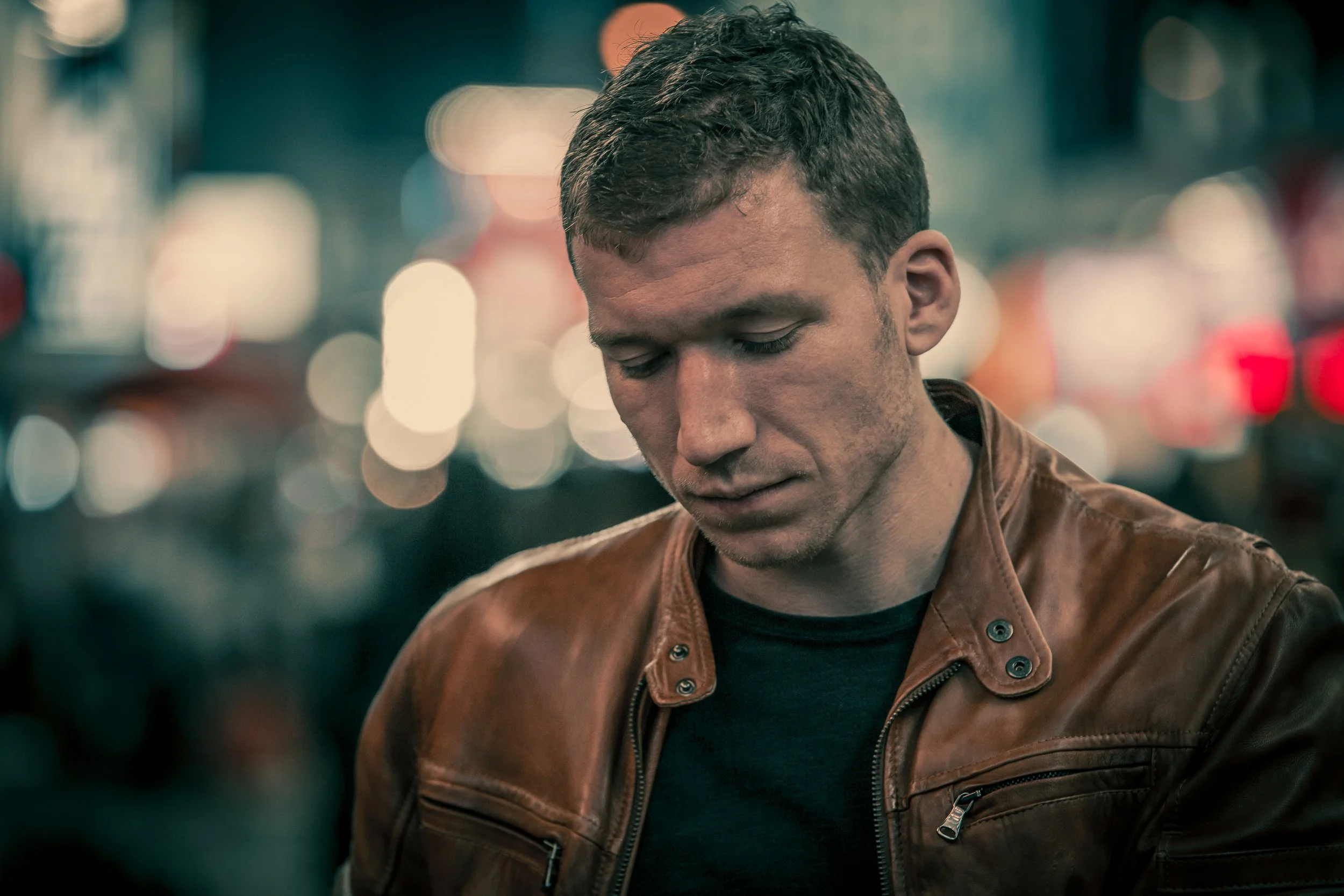
The production of this short film changed my eyes forever. When the film hit the festival circuit, the response exceeded anything we expected. Dead End went on to win 50 international awards, and four of those were specifically for my cinematography. For someone who had spent years in commercial work questioning whether his instinct mattered, that recognition felt like a confirmation, not of perfection, but of direction.
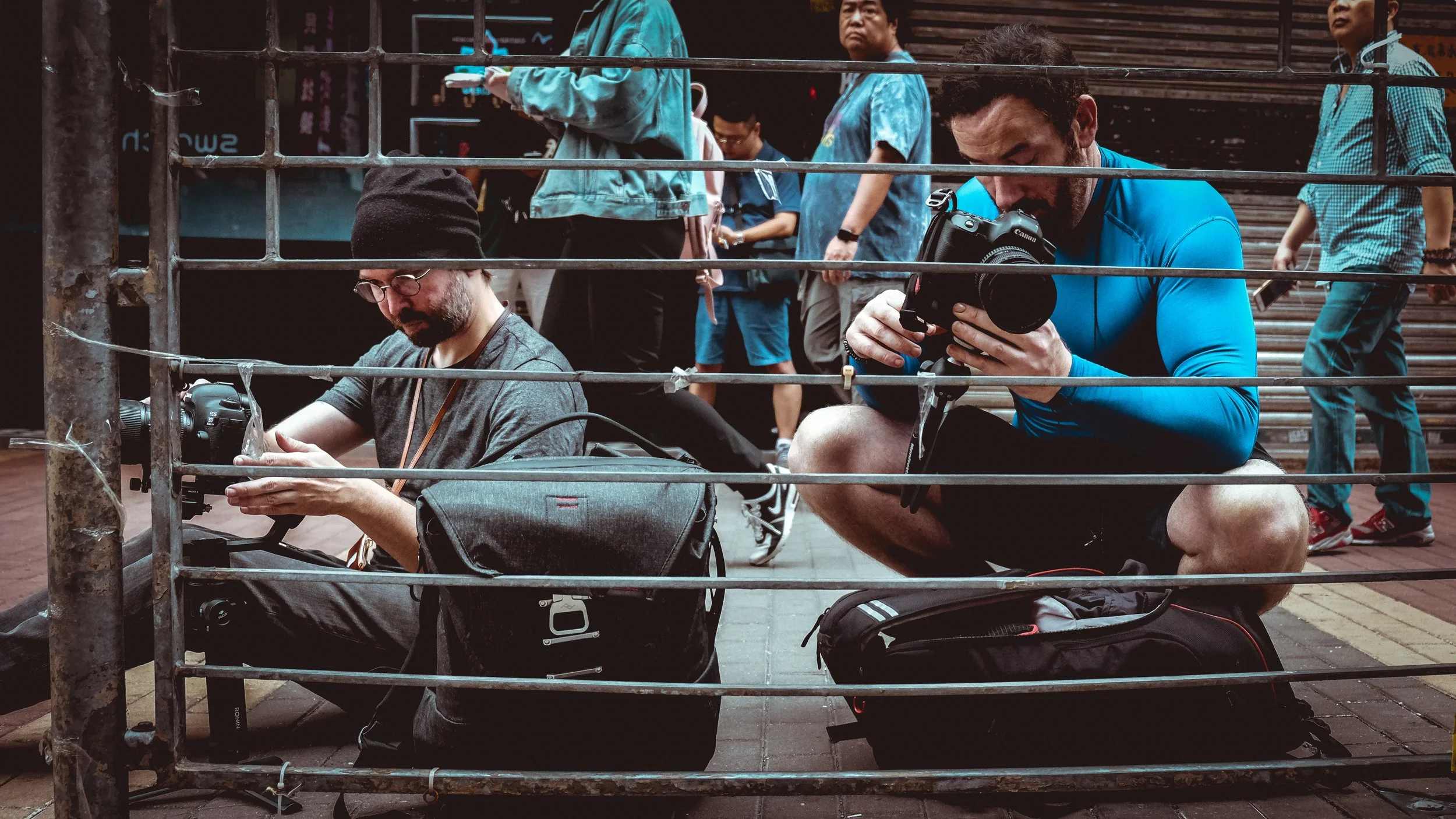
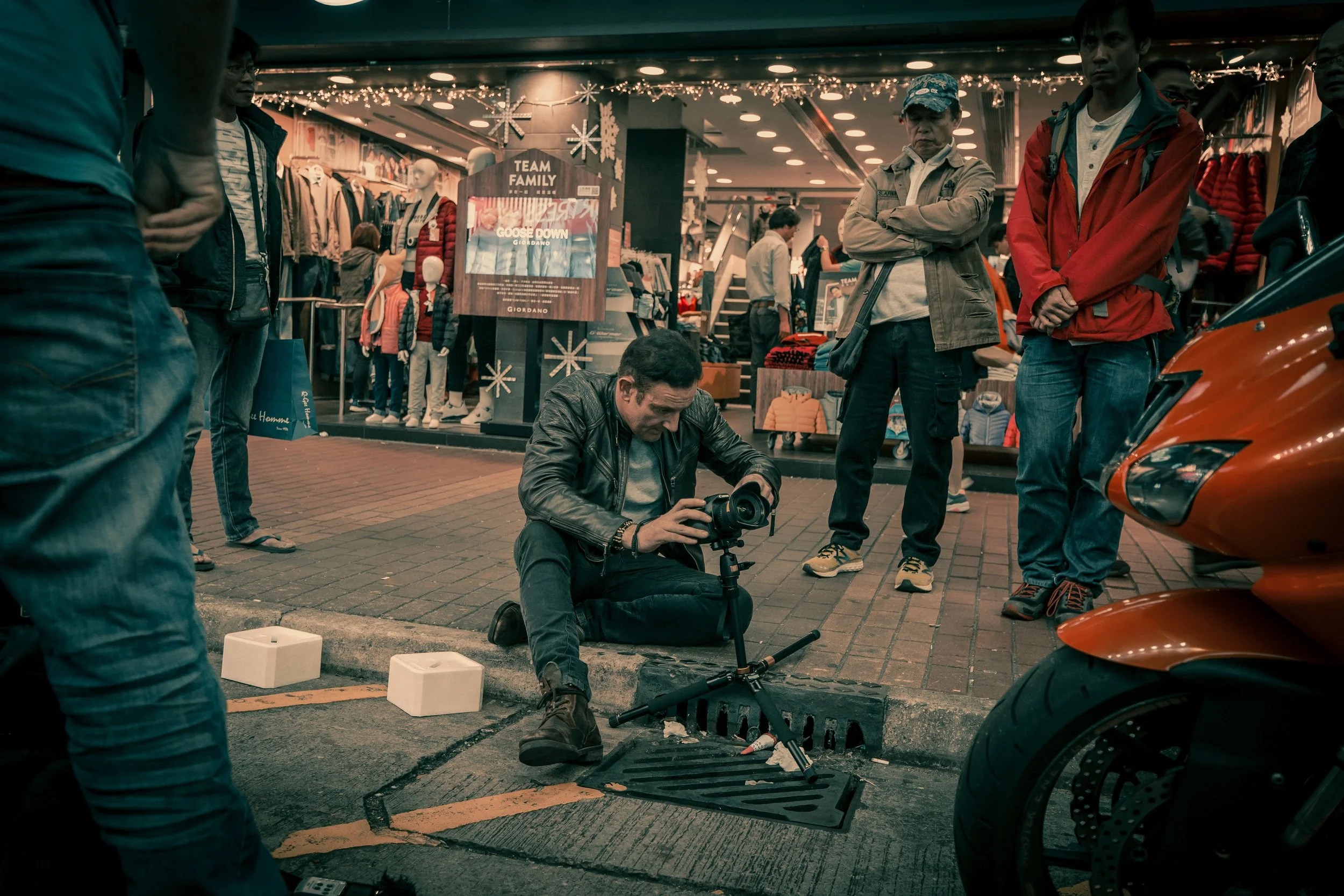
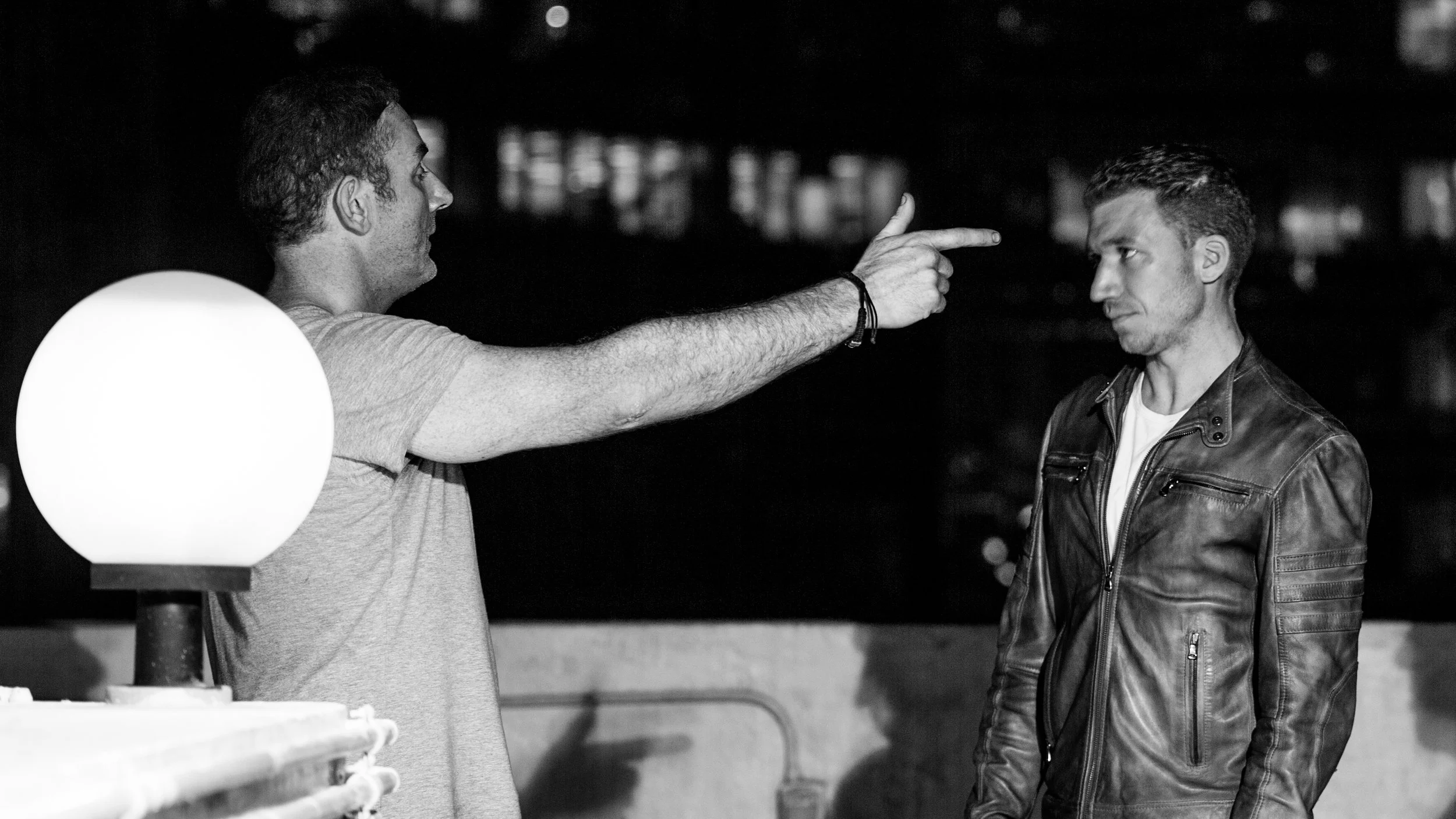
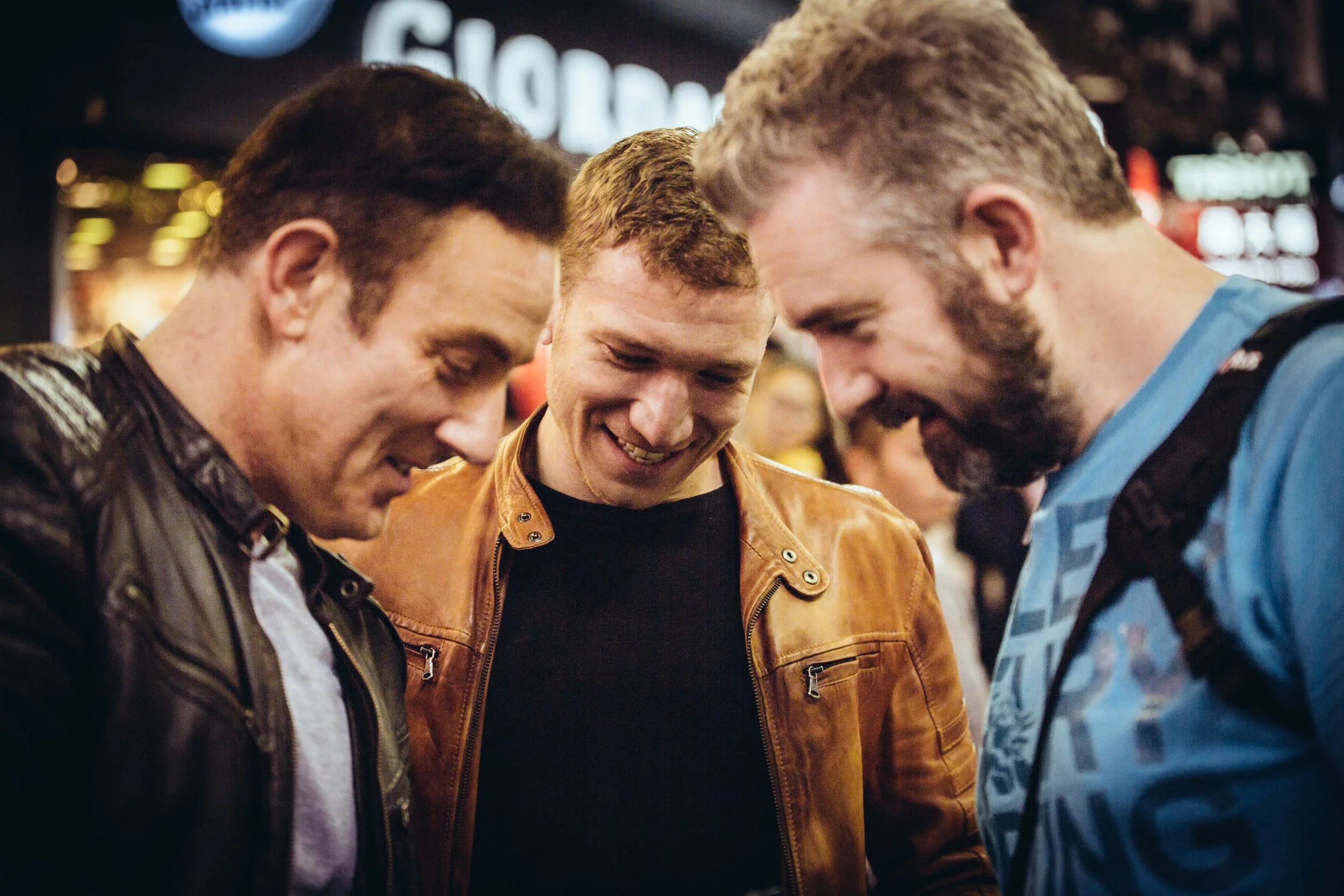
Me and Bryan Setting up the cameras.
Here is the shortFILM
Dead End 1: Diary of a Hitman
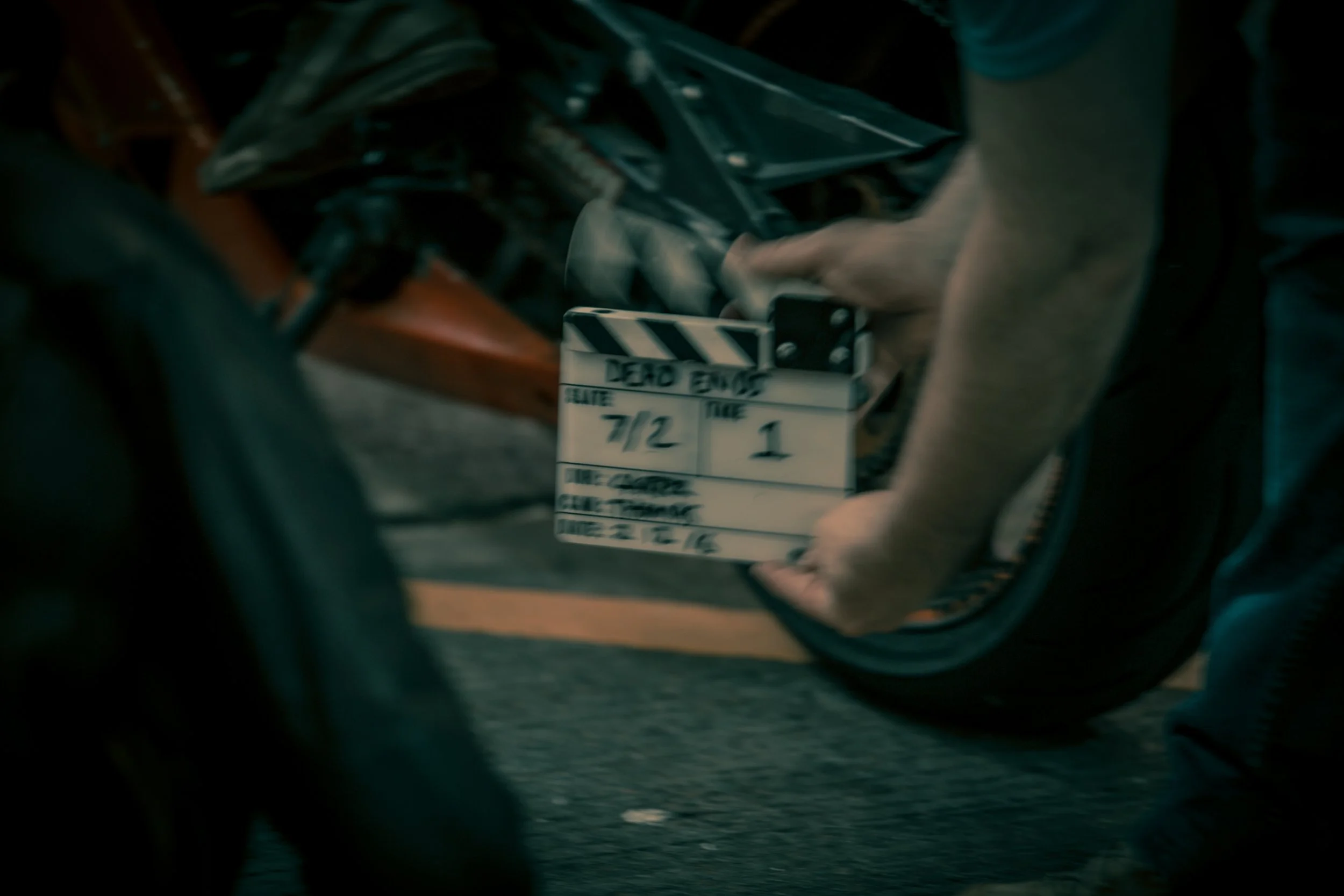
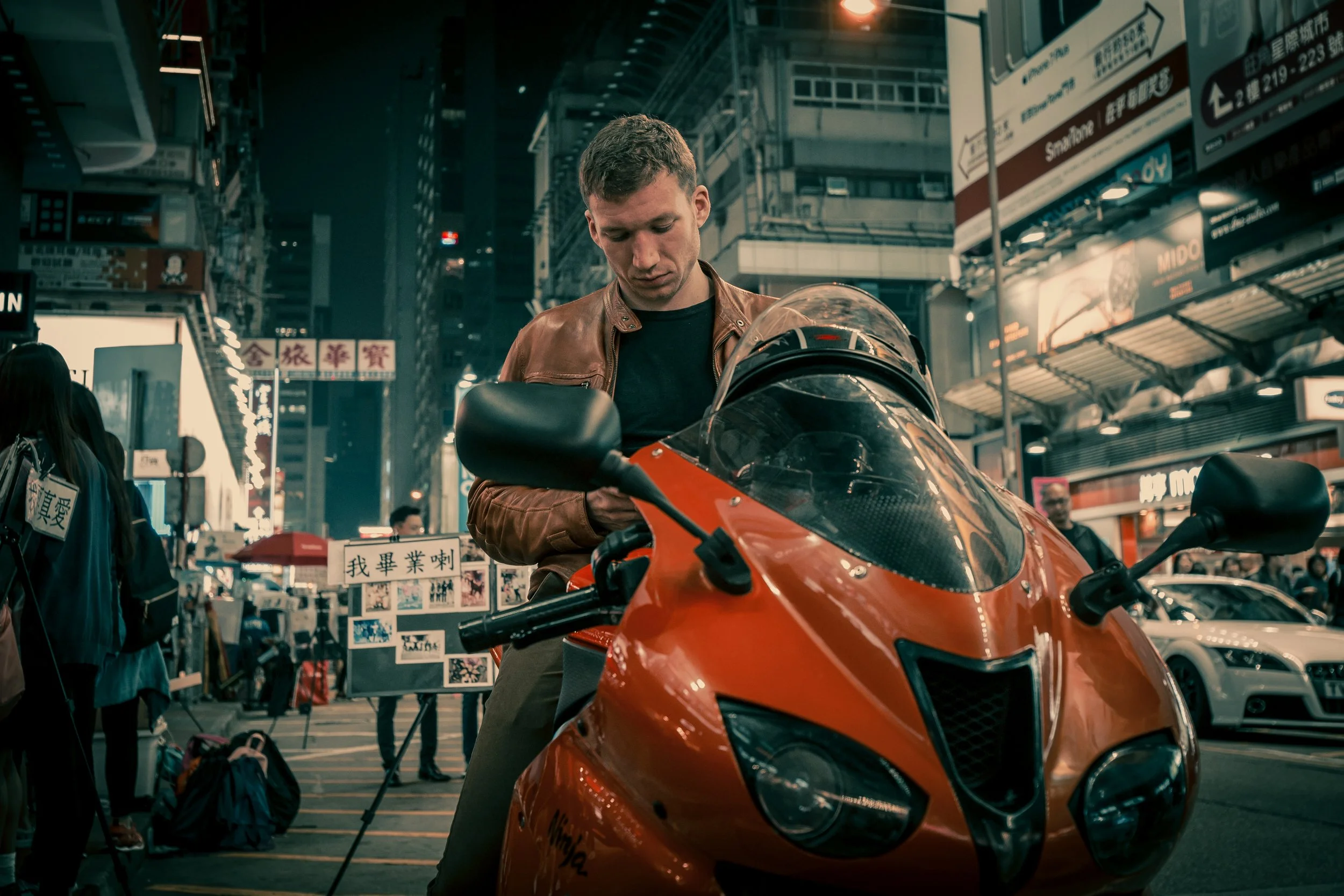
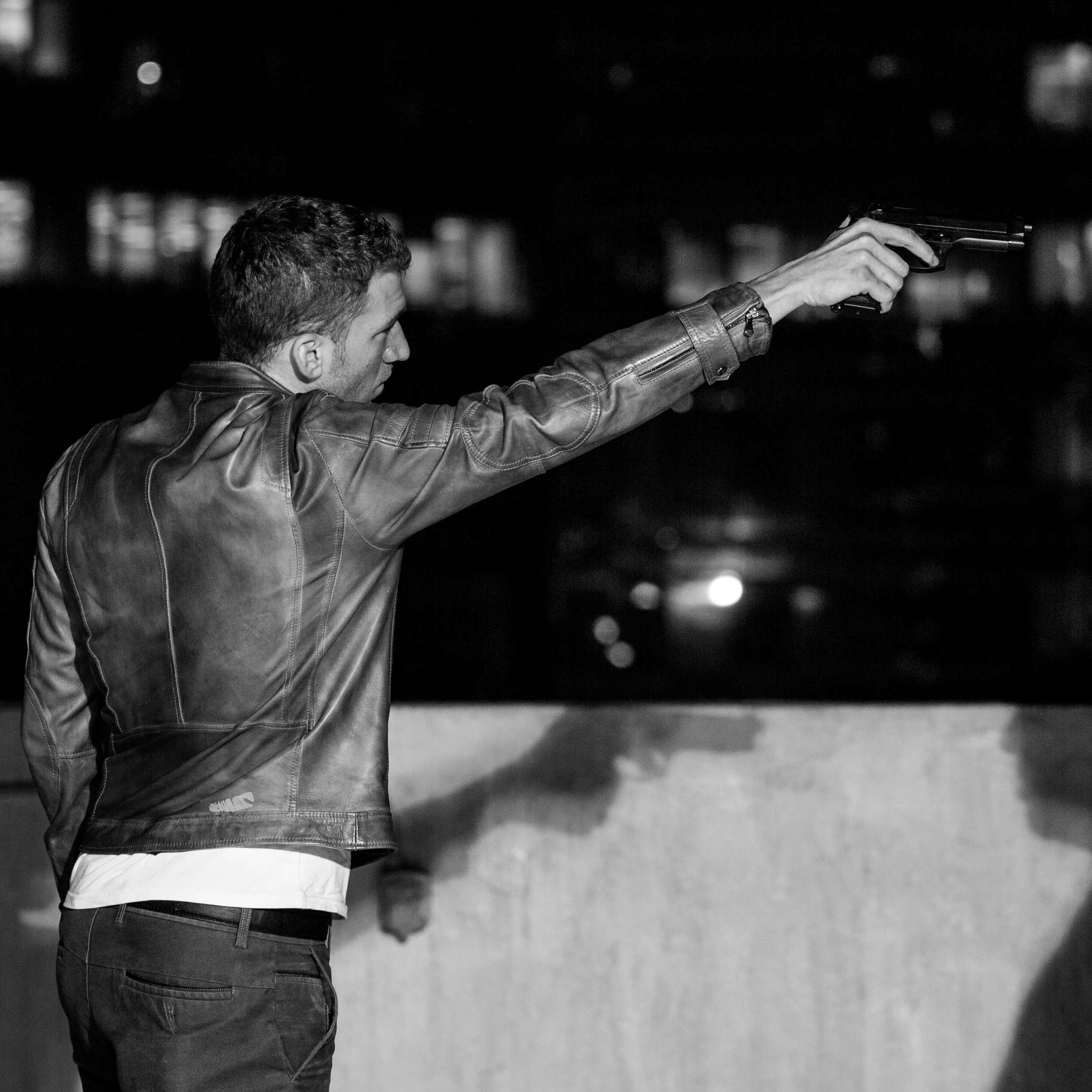
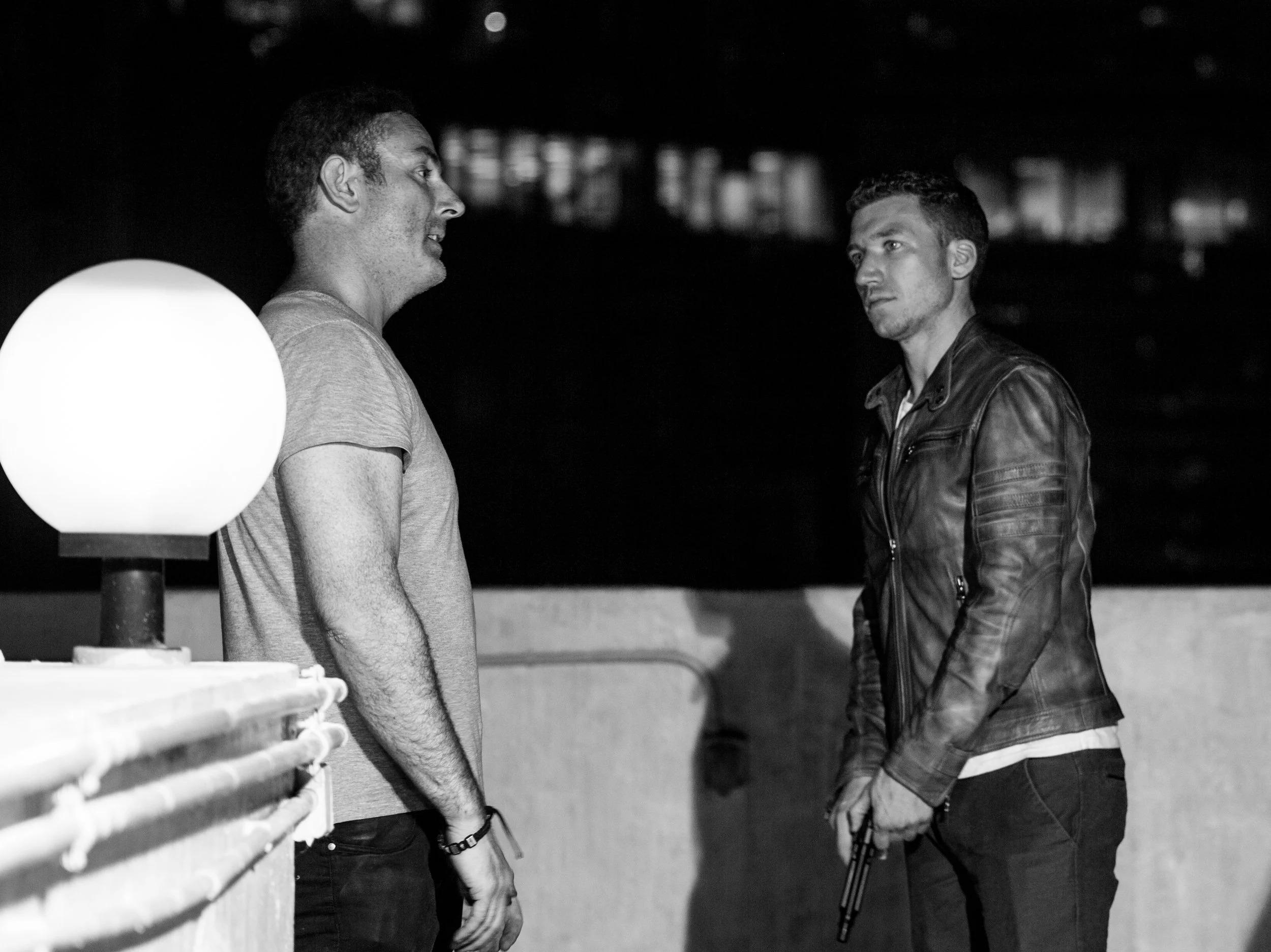
Behind The Scenes


Final ADVICE for anyone in the creative field
When an opportunity arrives, don’t freeze or overthink. Jump into it with both feet, even if you have no idea where the path will lead. The questions, the doubts, and the details can come later. What matters in that moment is the willingness to trust your instinct and move forward. Because every time you take a leap without waiting for perfect conditions, something wakes up inside you. Your creativity sharpens. Your confidence grows. Your mind feels alive again. And that feeling, that spark, is often what leads you to the work you were meant to create.
- Thomas / Photobreak
