Testing the Retropia Vintage Glow filter in Oslo
Today we took the Retropia Vintage Glow filter out into Oslo and let it roam freely. No tripod. No plan. Just light, streets, faces, and a bit of curiosity.
Let’s start with the positives.
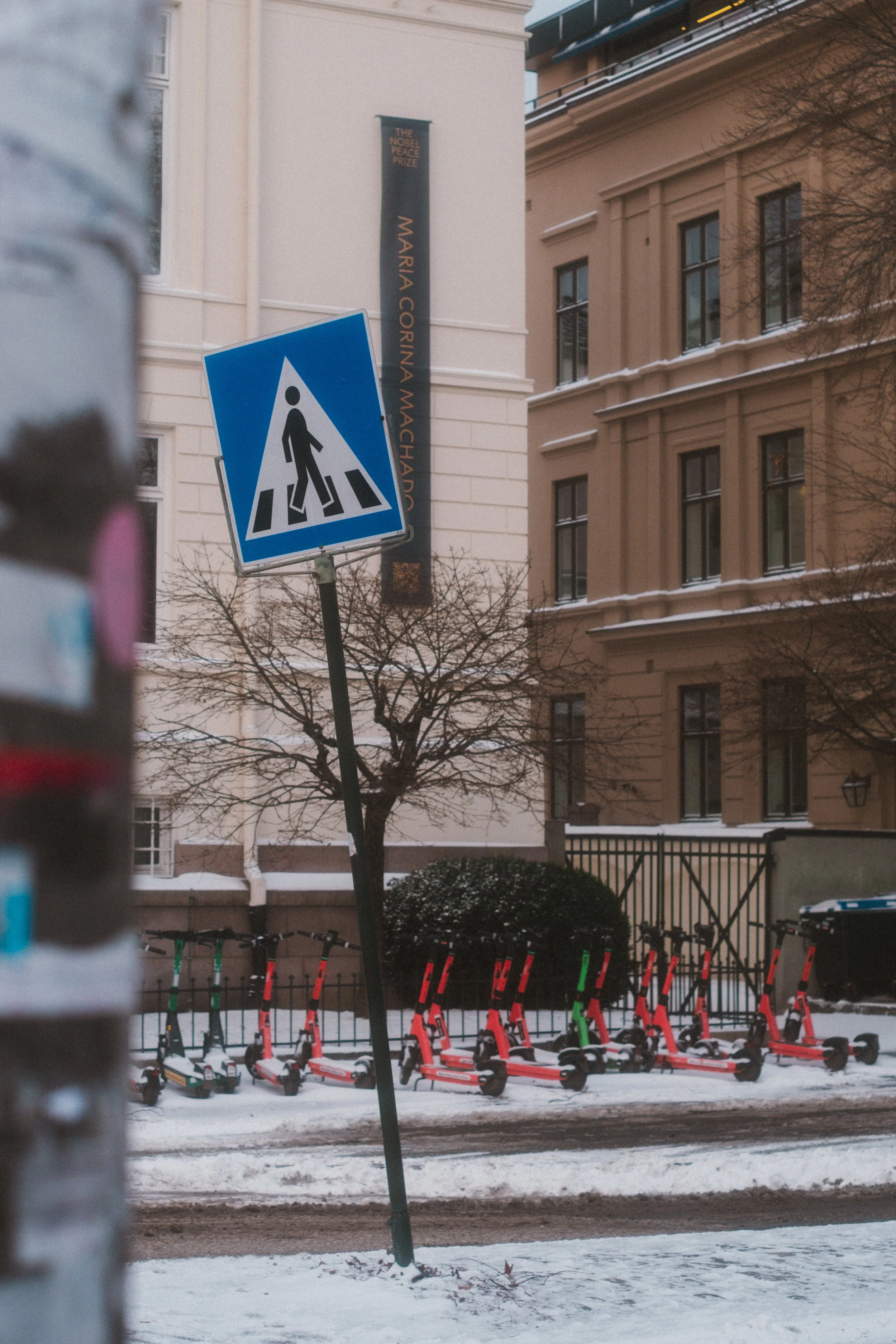
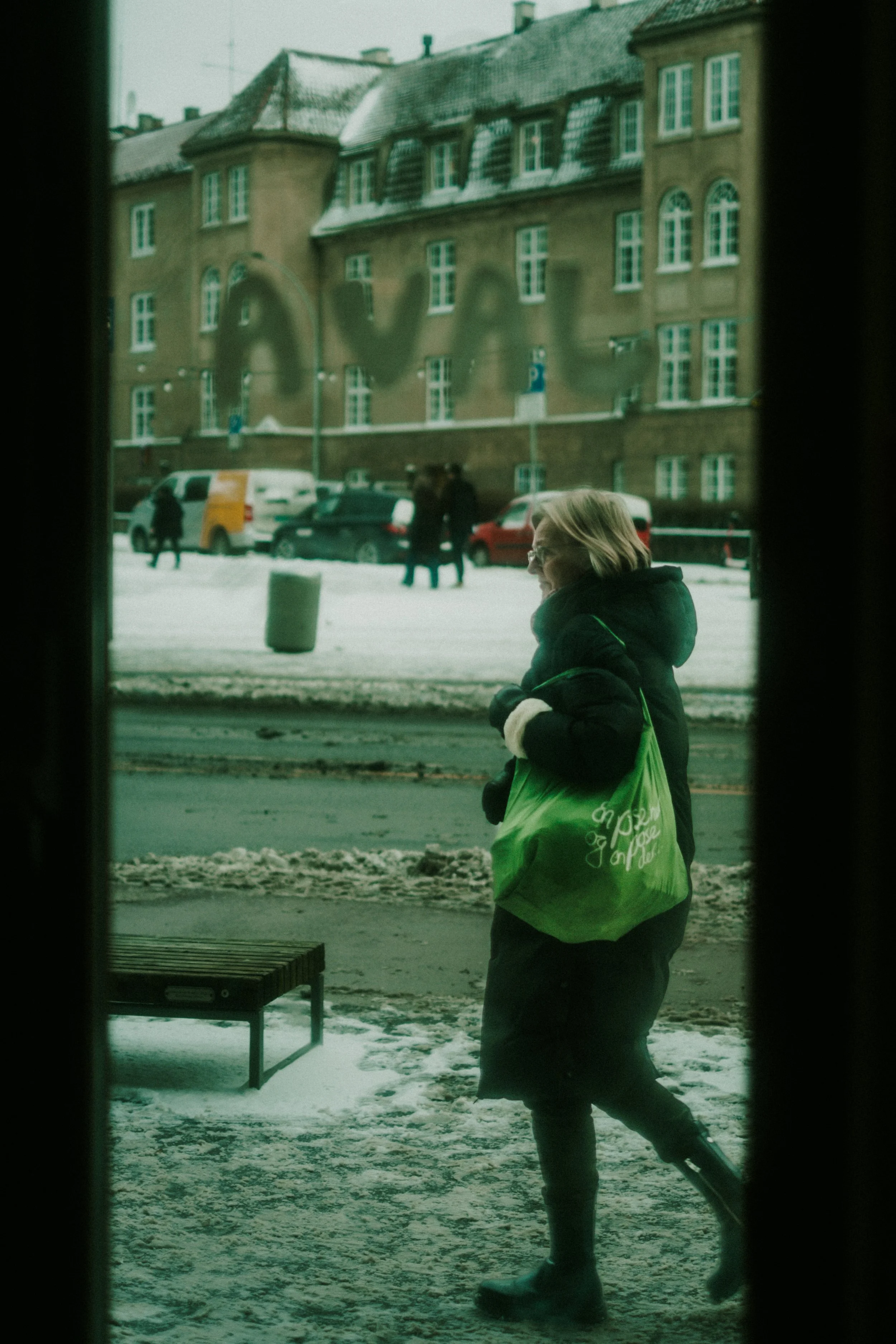
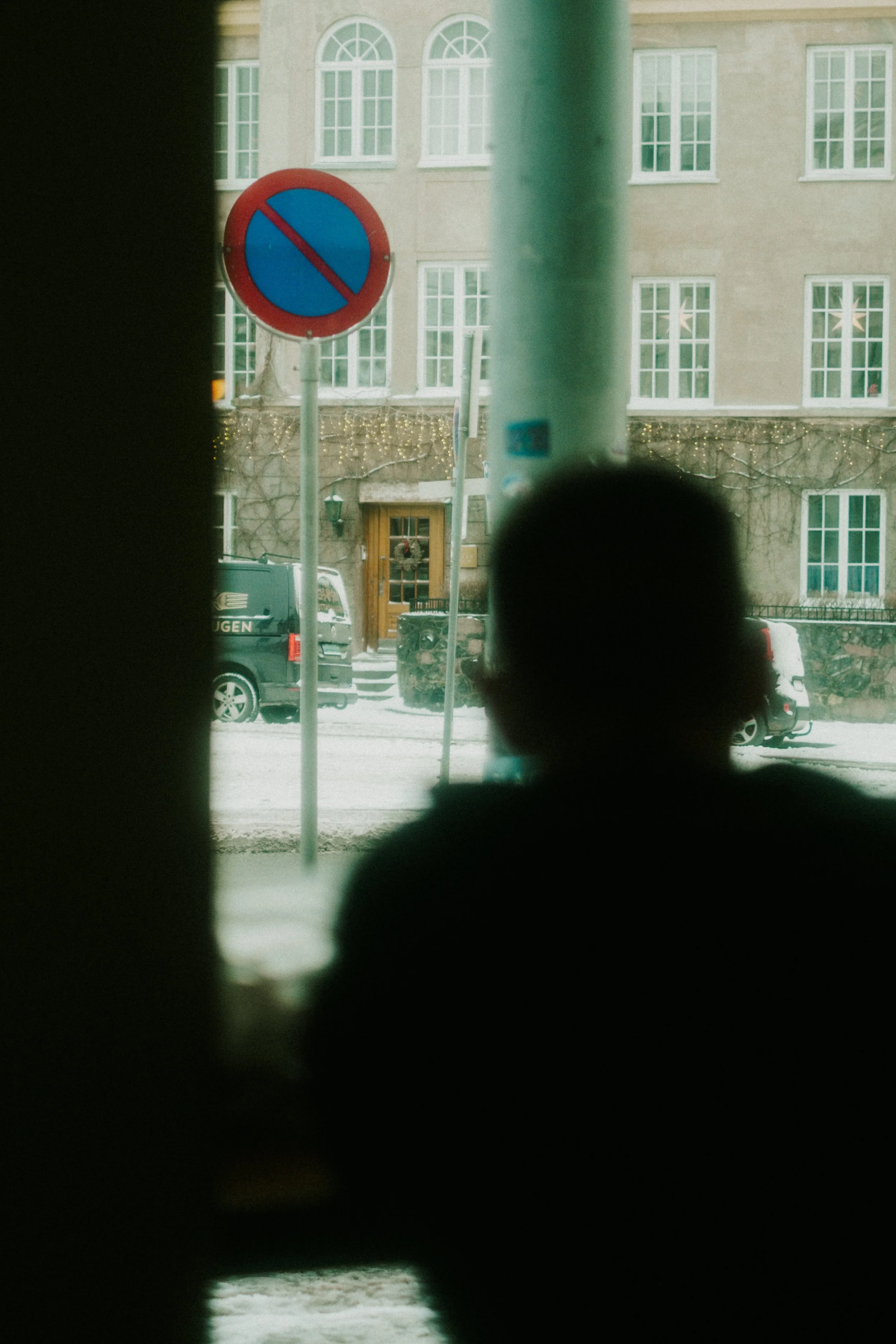
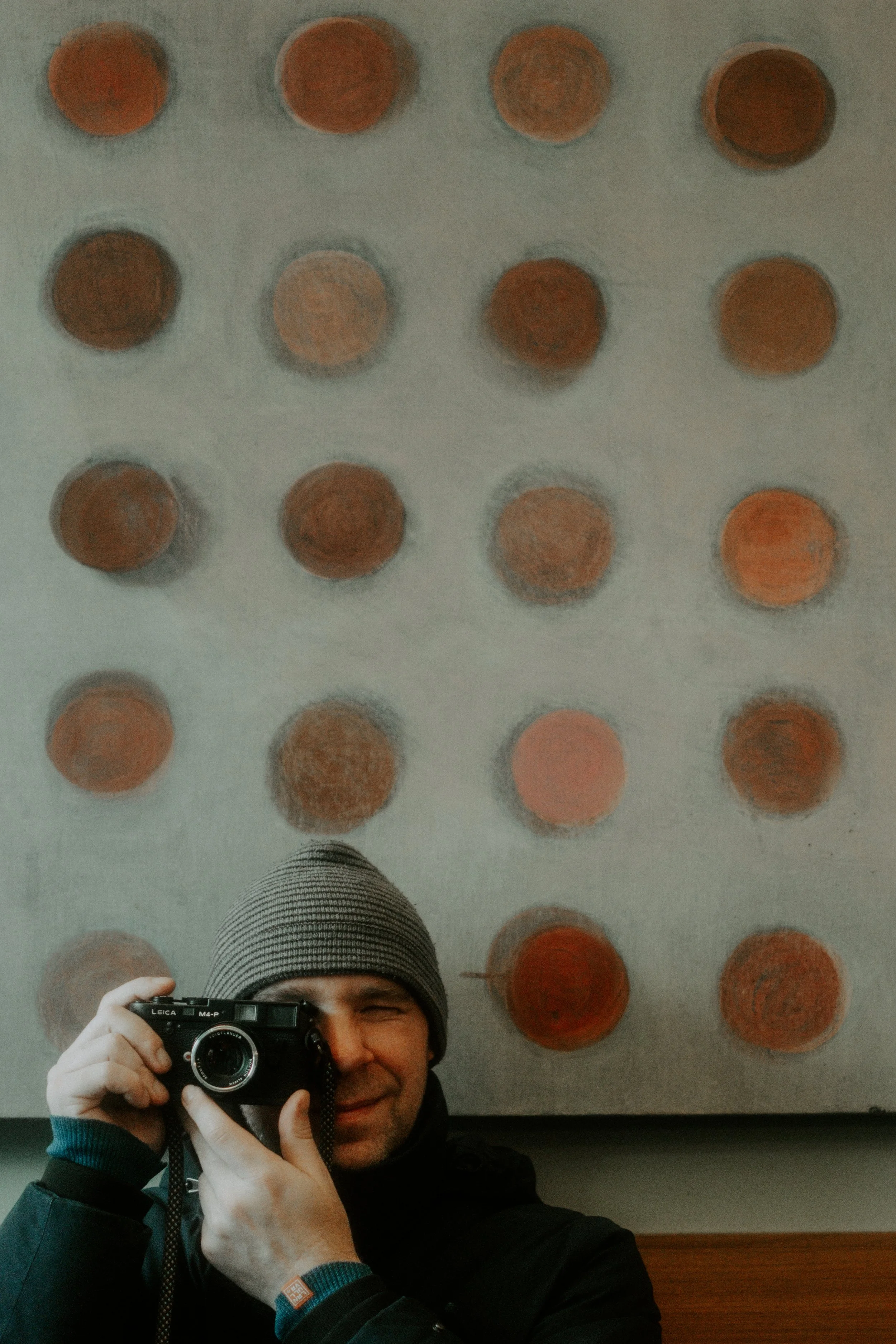
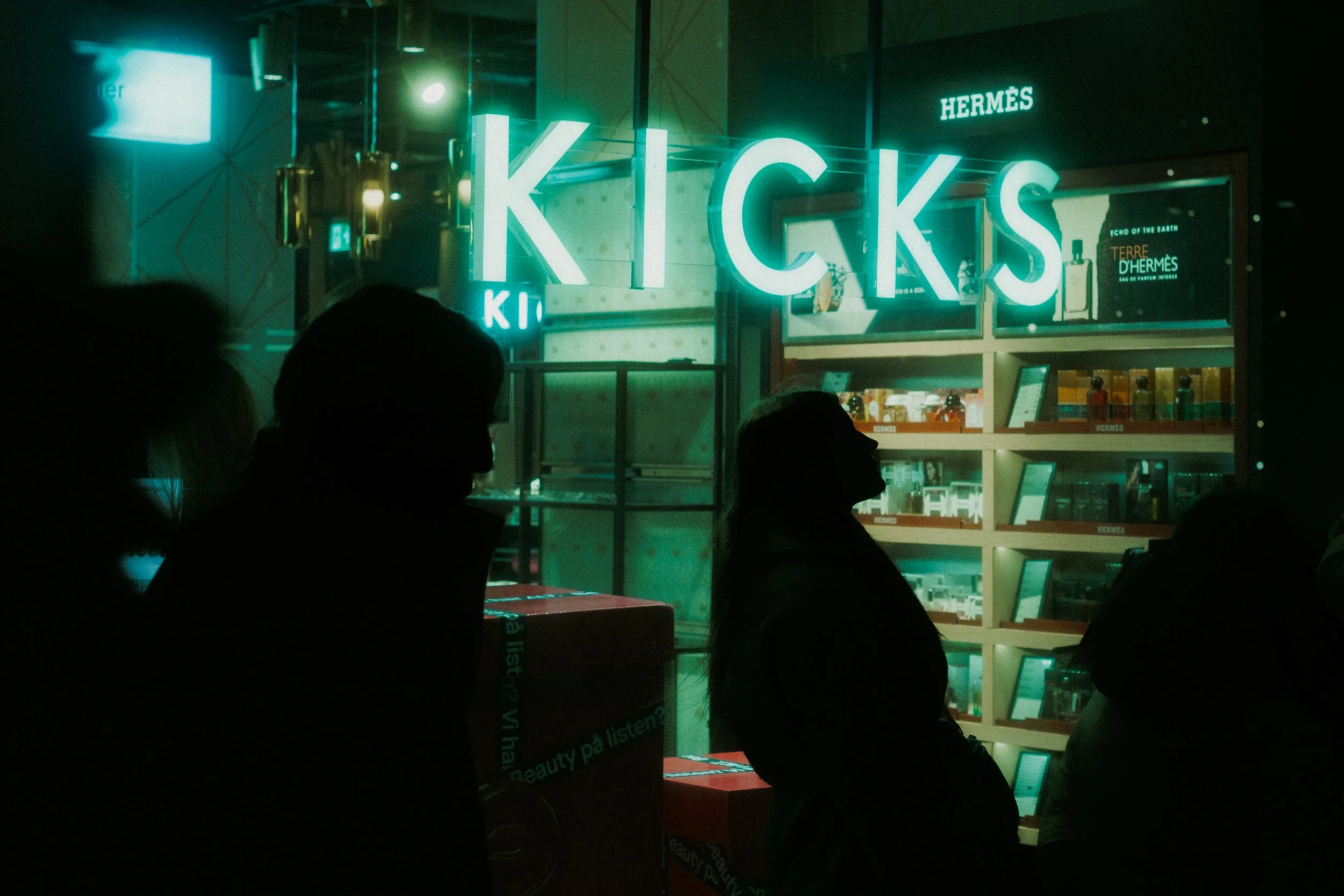
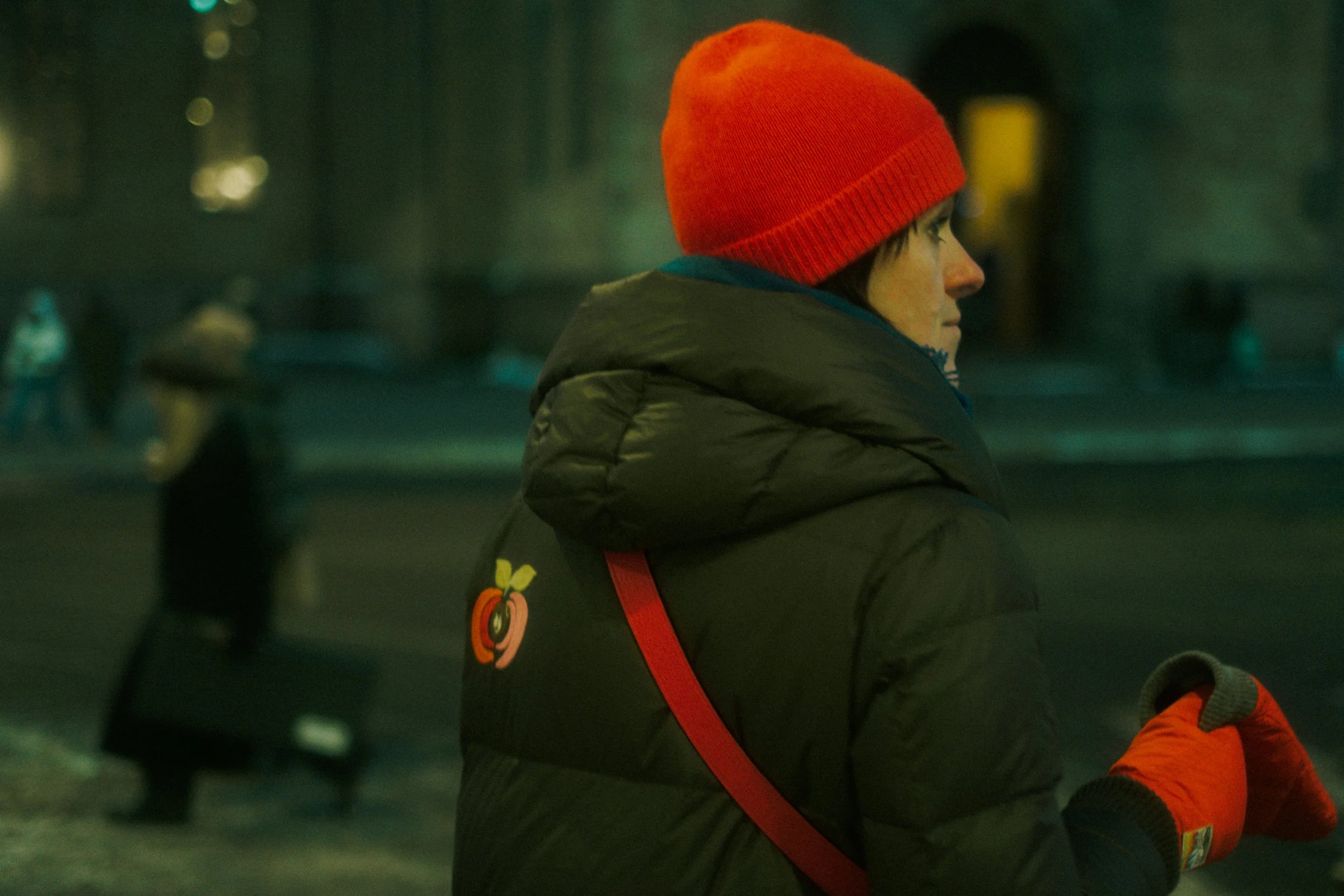
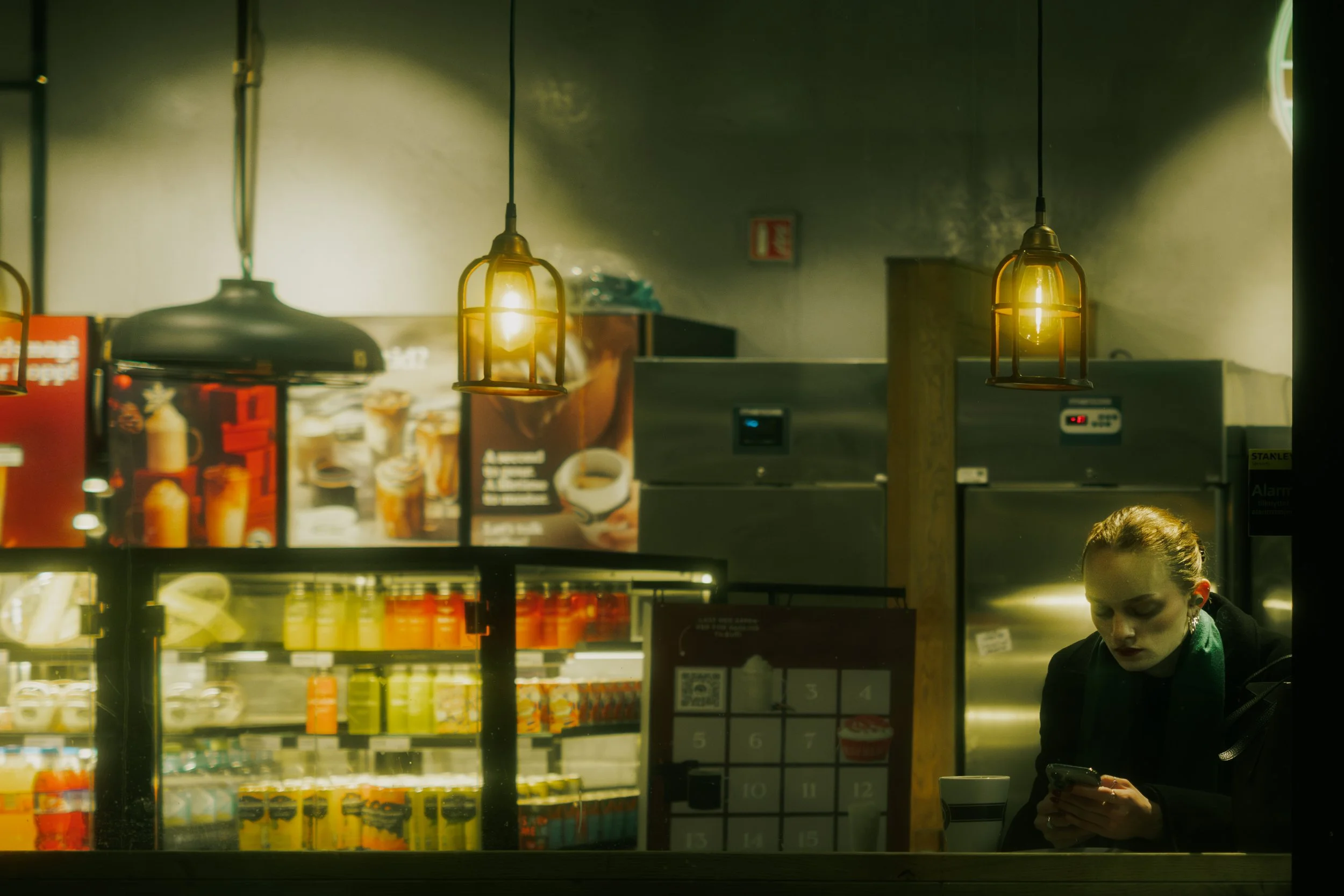
Surprisingly, this filter behaves really well when there aren’t too many light sources fighting for attention. In those quieter lighting situations, especially when light gently falls across a subject’s face, it delivers exactly what it promises: a retro, vintage, filmic feel. The glow feels intentional. Soft. Almost nostalgic. When it works, it really works.
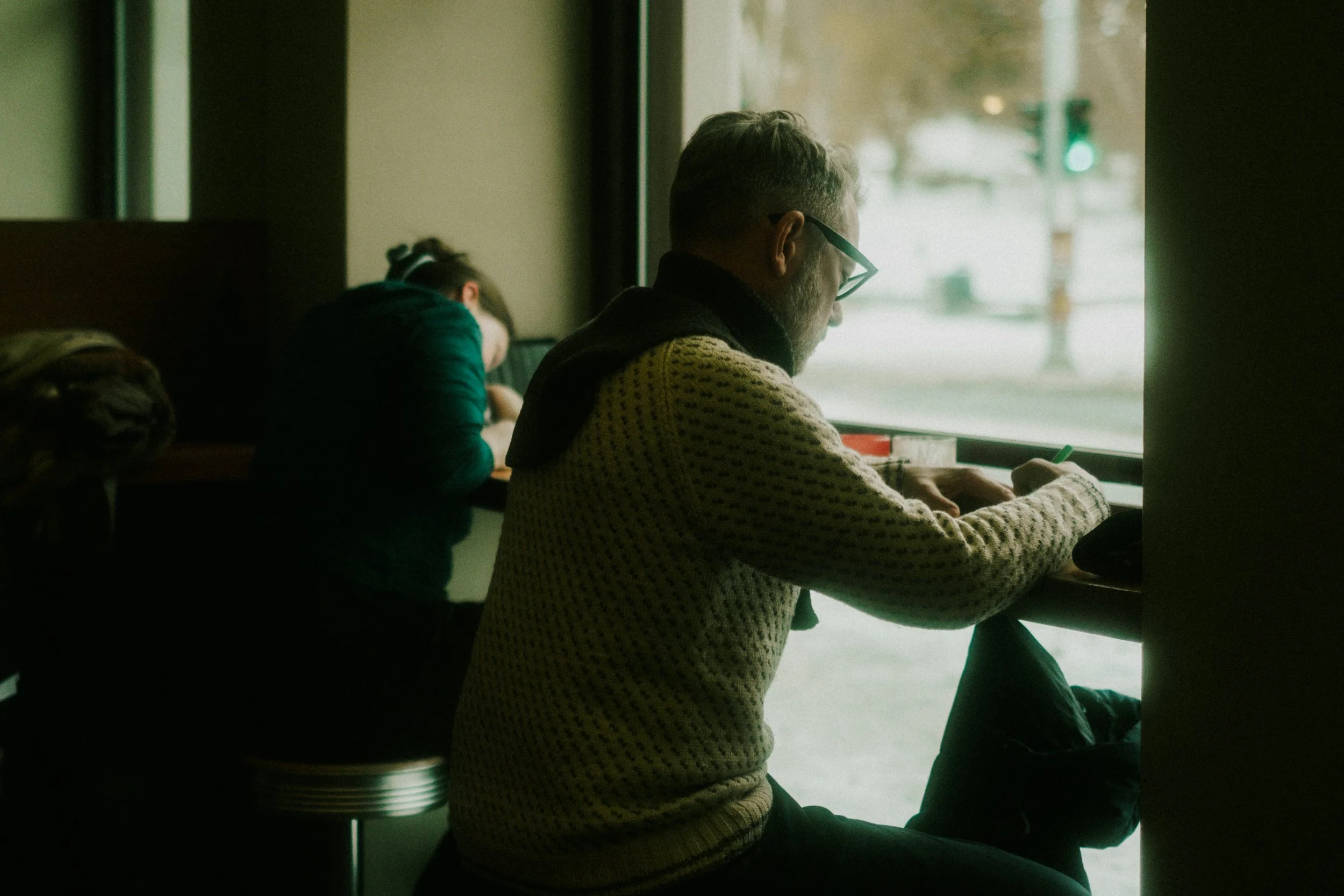
There’s a particular moment when the light wraps just right, the highlights bloom without screaming, and suddenly the image feels like it belongs to another decade. Those are the hits. And when you hit, it’s a great feeling.
That said, you don’t get lucky with every frame. Not even close.
This filter is very much a game of testing and error. You have to move, angle, react, sometimes miss completely. But maybe that’s part of the charm. The randomness. The lack of control. You never fully know what you’re going to get, and when something good comes out of it, it feels earned.
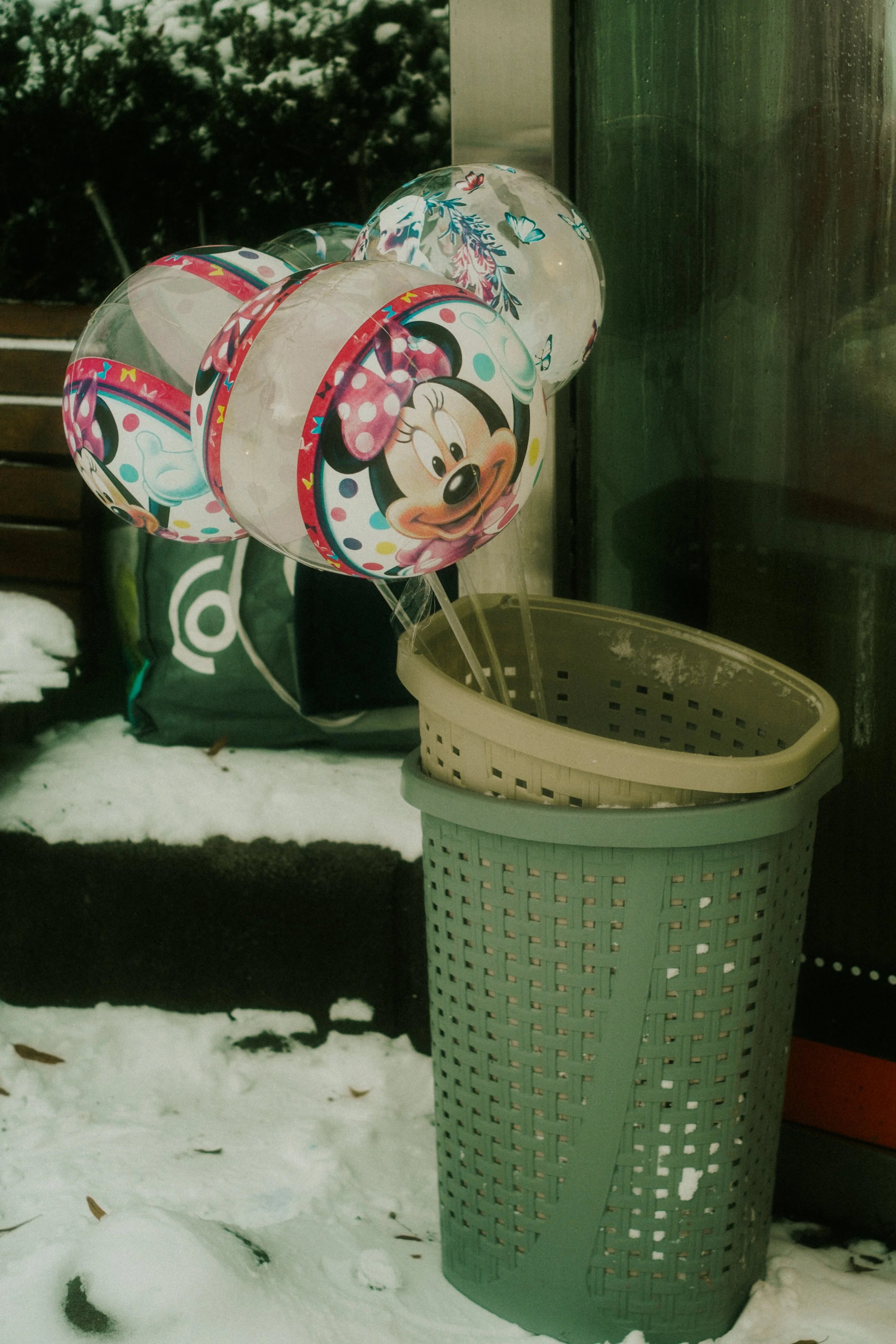
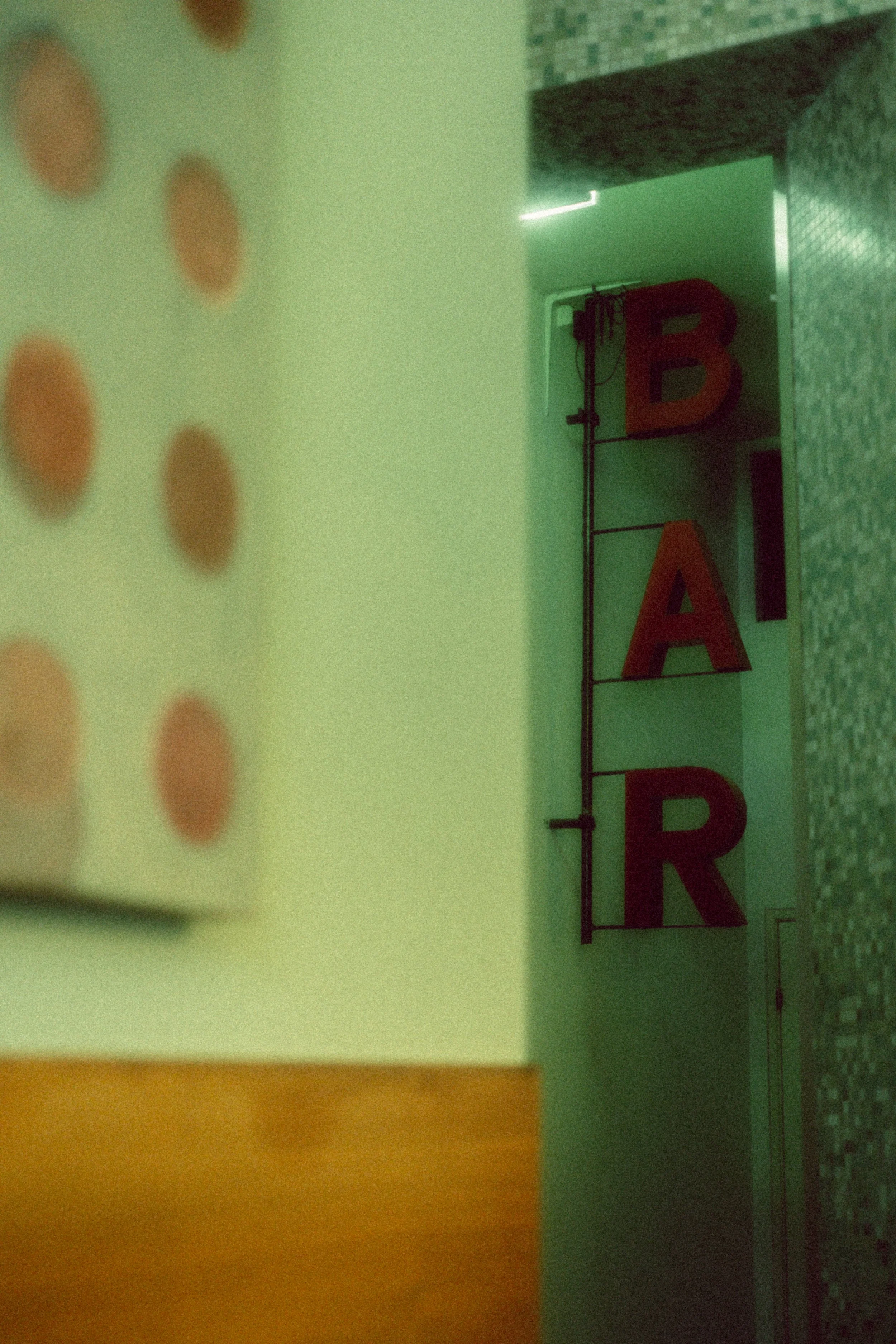
Photobreak was out today testing a lot of things, and the Retropia filter was one of them. And honestly, it’s fun. It’s a gimmick, yes, but a working one. This is not a “serious” filter. It’s not for precision or consistency. It’s more like a snapshot filter, something you pull out when you want surprise photos. Images that feel a bit accidental. Sometimes you get nothing. Sometimes you get gold.


Now for the downsides.
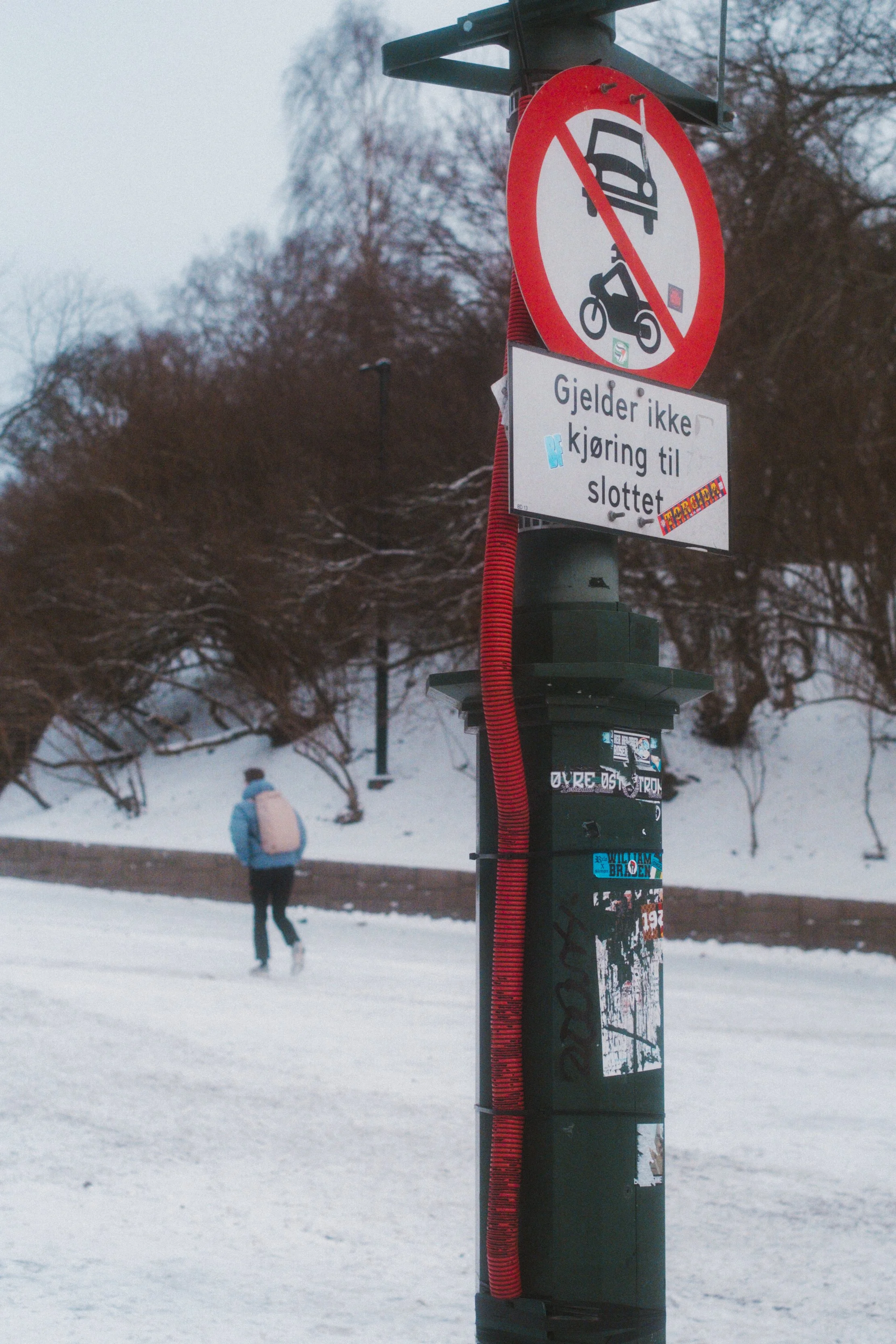
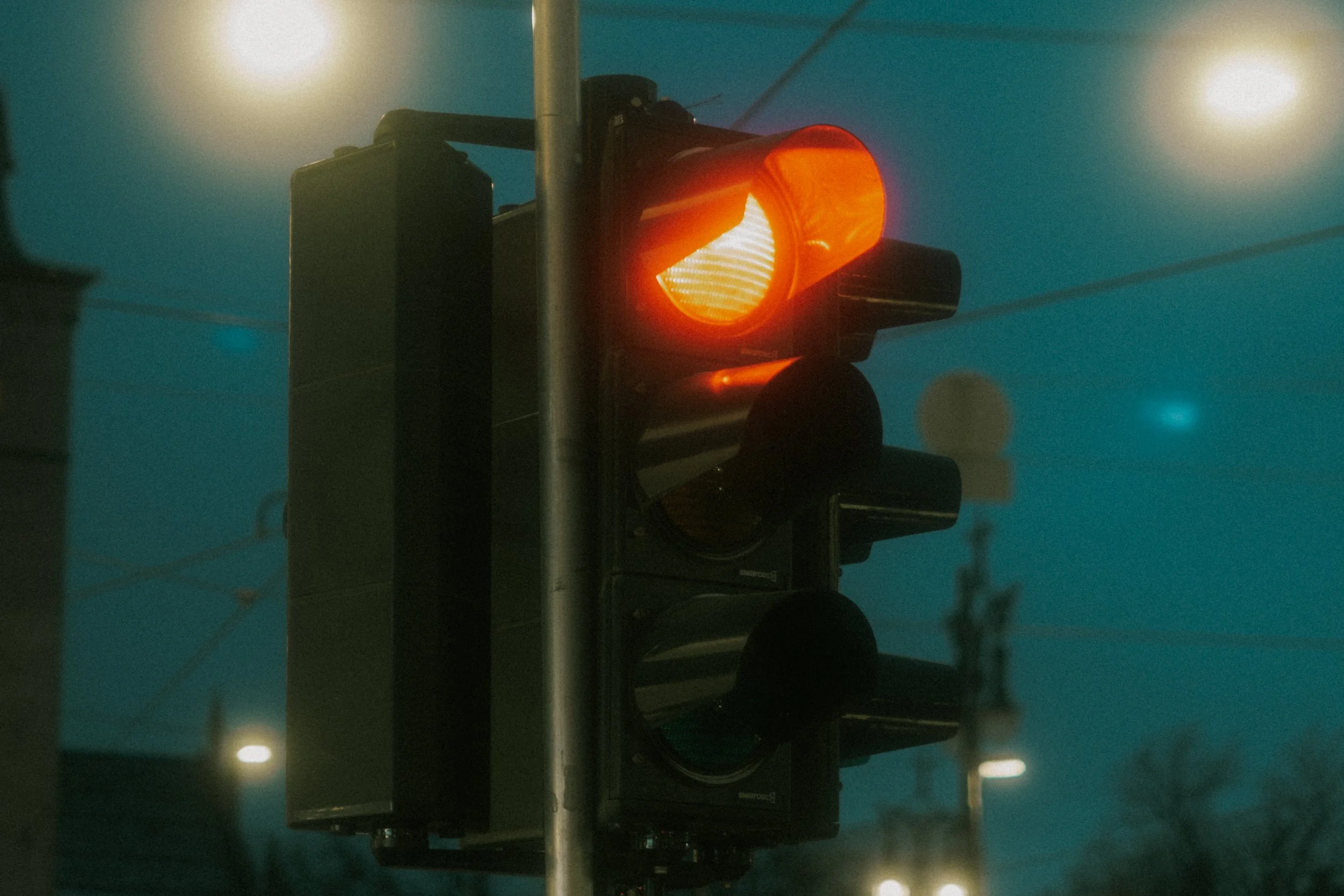
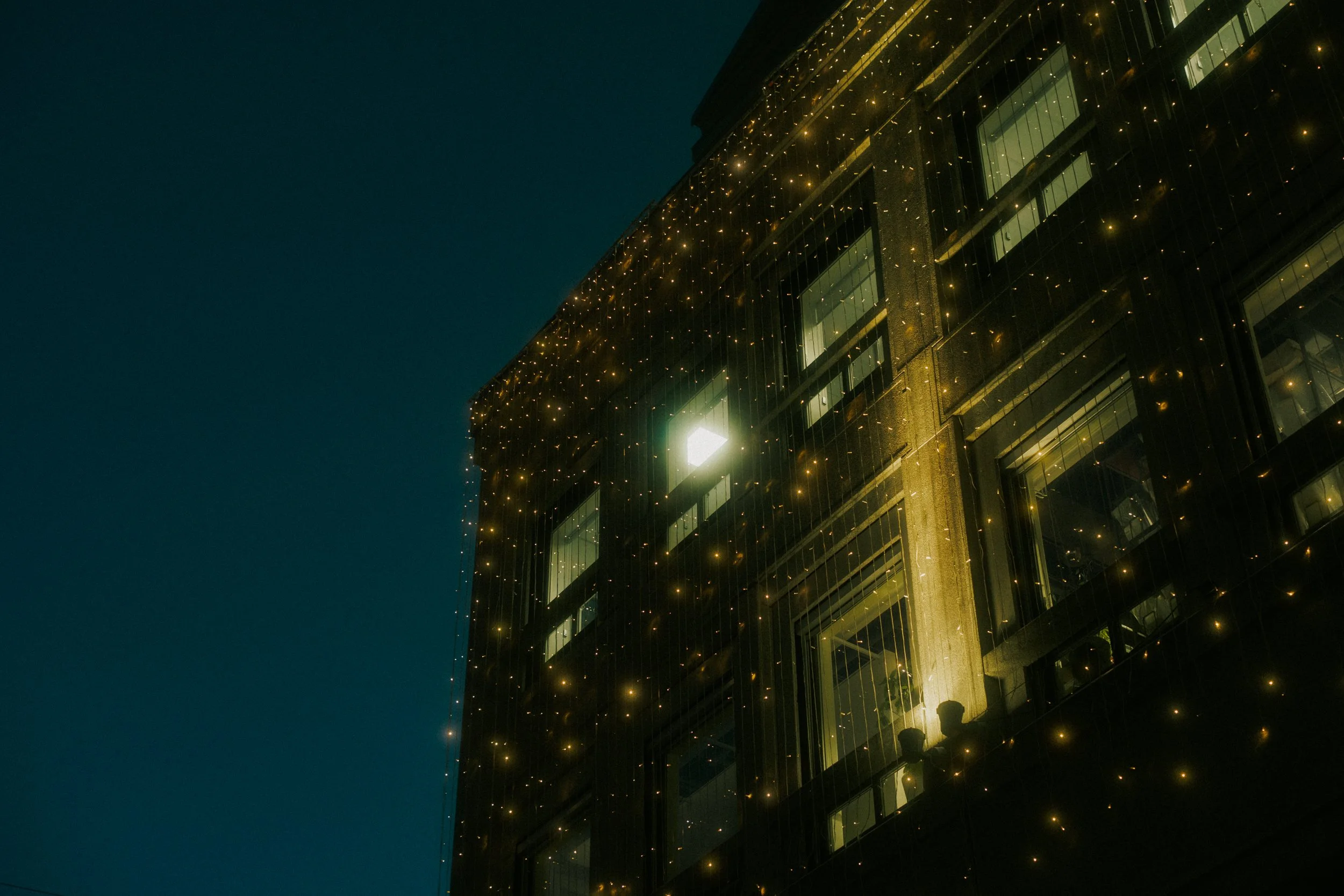
It’s very glowy. Almost too glowy. It reminds me a lot of a Black Mist 1/2, maybe even a half stop of glow on top of that. If you hit direct light sources, especially strong ones, things can quickly feel overexposed or washed out. Highlights can take over the image fast.
But if you learn to work around that, slightly turning away from direct light, avoiding the sun or strong lamps head-on, the balance improves a lot. Then the glow becomes softer, more controlled, and actually quite nice.
Still, this filter demands patience. You need to experiment. Move. Fail. Try again.So no, this isn’t a professional, all-purpose filter. But it’s not trying to be. It’s a creative tool. A playful one. A bit unpredictable. And for what it is, it works.
Not serious. Not perfect. But fun. And sometimes, very lucky.