Why I Love (and Question) Film Simulations
Film simulations were the reason I got into shooting Fujifilm in the first place. Load a recipe, pick up your camera, shoot, and you’re done. No post processing needed. You can upload your image straight to your platform of choice. It’s fast, convenient, and surprisingly good.
But how good? When should you use them? And do they actually look like film?
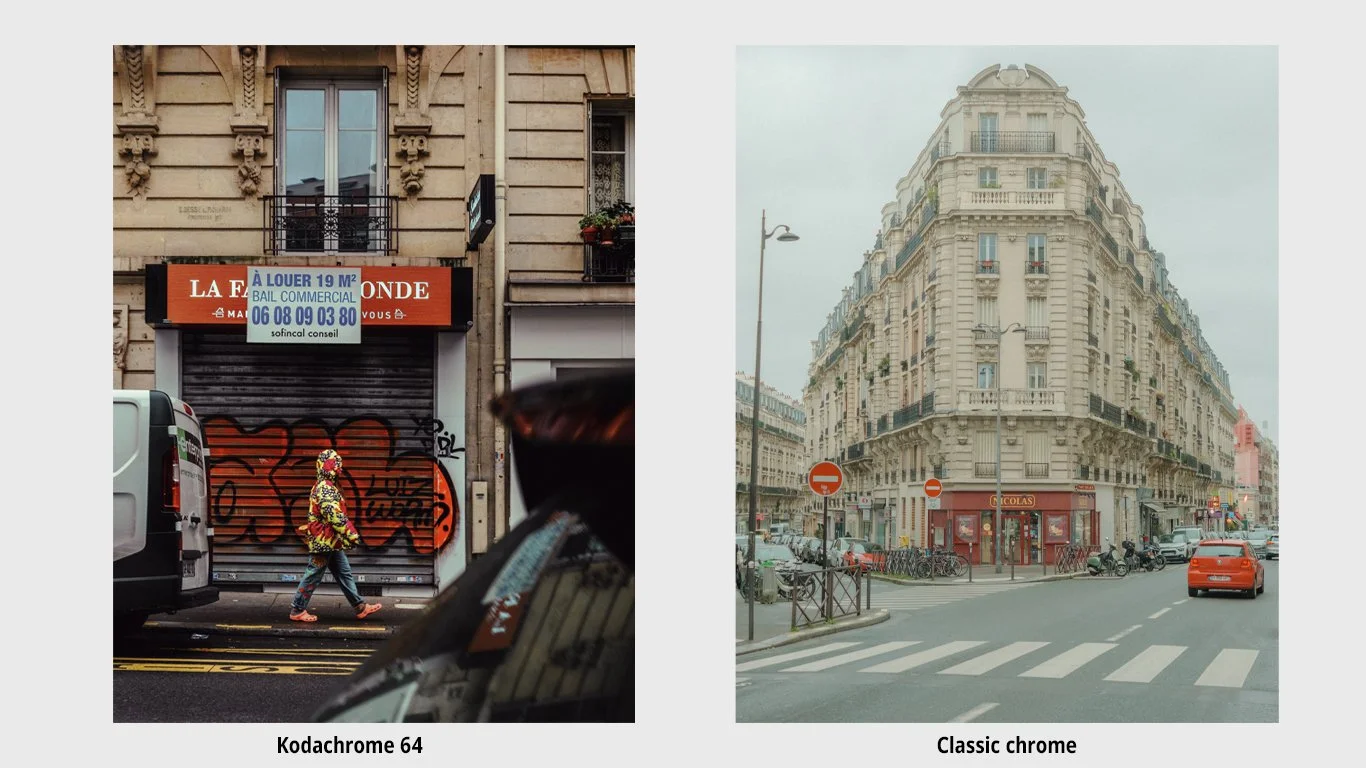
There are plenty of excellent photographers out there who either don’t want or don’t have time to learn editing. Some simply don’t care, because the image speaks for itself. Others tweak their settings to perfection. And honestly, for maybe 80% of situations, film simulations work beautifully. They give you a look you can rely on and enjoy.
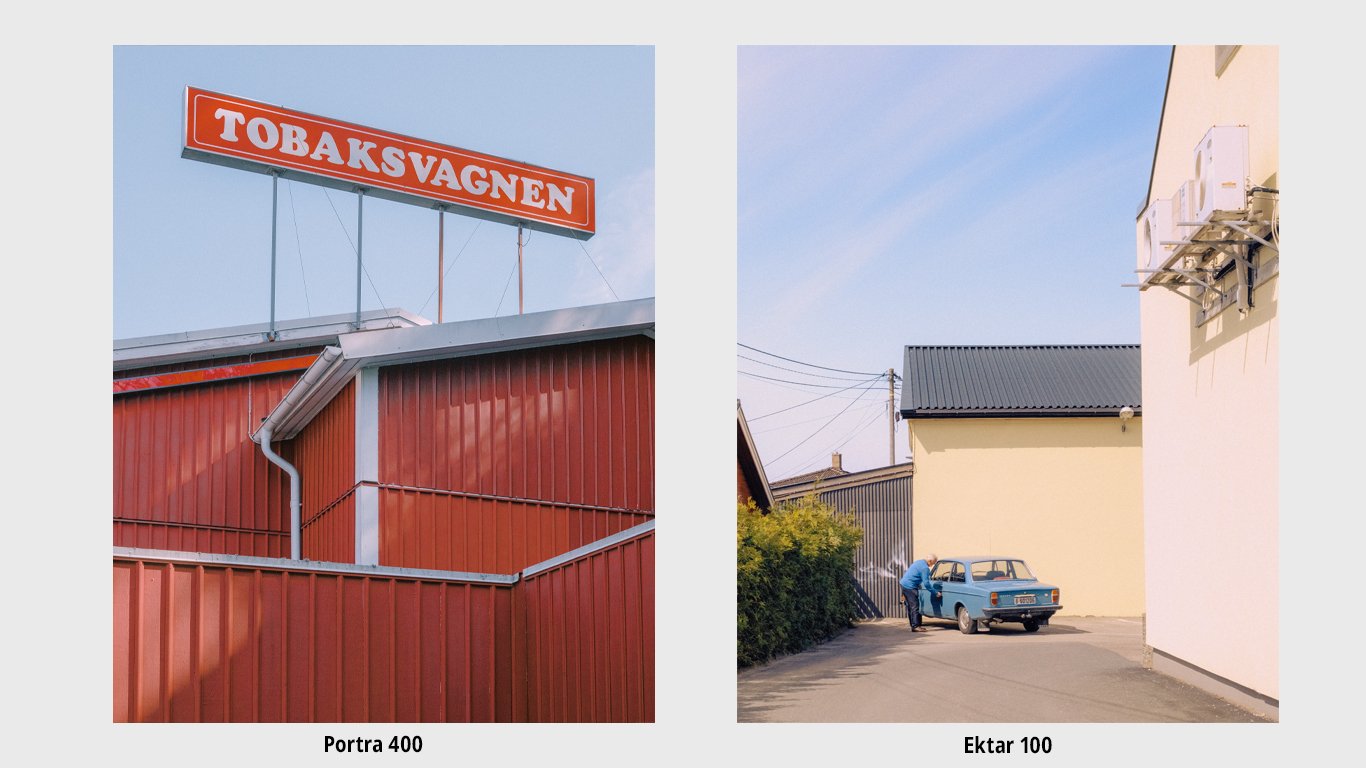
If you shoot Fujifilm, these simulation bases are built right into your camera for you to adjust. Other brands call them “profiles” or “filters,” which might actually be more accurate. Because, let’s be honest, they do not look like film. They can get close, and many look fantastic, but true film has too many variables: development, white balance quirks, exposure differences, color shifts, scanning, converting… the list goes on.
If you want to see real comparisons, check out @jorgehurtado2879 as he shoots the actual film and the matching simulation side by side, same locations. Very fun, very eye opening.
My own adventure with film simulations started with the Fujifilm X-Pro2 still my all time favourite camera. I eventually sold it to a photographer I didn’t know, and it felt good knowing it found a new life. Back then, I was running around with a 35mm lens trying to channel Saul Leiter (150mm, geez, but more on that in a future blog post)...
I was hooked on the sim/recipe making. As I upgraded to the X-T5 and later the X100VI, I got comfortable enough with my simulations that I wanted to print my work.
This is where things became tricky.
Printing film simulations is absolutely possible, and depending on your taste, more than okay.
Today I see the limitations in depth, color rendering, film has a more gradual fall off in highlights but a sharper cutoff in shadows, but, I even made a zine with fellow photographer @tom.nordpole only using one film sim/recipe. Every image in the book was straight out of the camera, no editing, and all from a single recipe I created called Blues (plural). I loved the colors, and with a sequencing assist from my bae, the whole project came together beautifully.
Get the BLUES (plural) recipe from this link: https://fujifilmsimulations.com/project/blues-plural/
The real shift came when I started shooting actual film alongside my digital simulations. Suddenly the comparison fell apart. There is simply nothing like film. Too many differences, too many variables, too much character baked into the real process. The two aren’t playing on the same field anymore.
Film simulations are perfect for everyday shooting and effortless uploading. They’re great for when you want something quick and clean without diving into post processing. They can absolutely be printed. But when it comes to the real thing, film stands alone. The original always has a depth that’s hard to replicate.
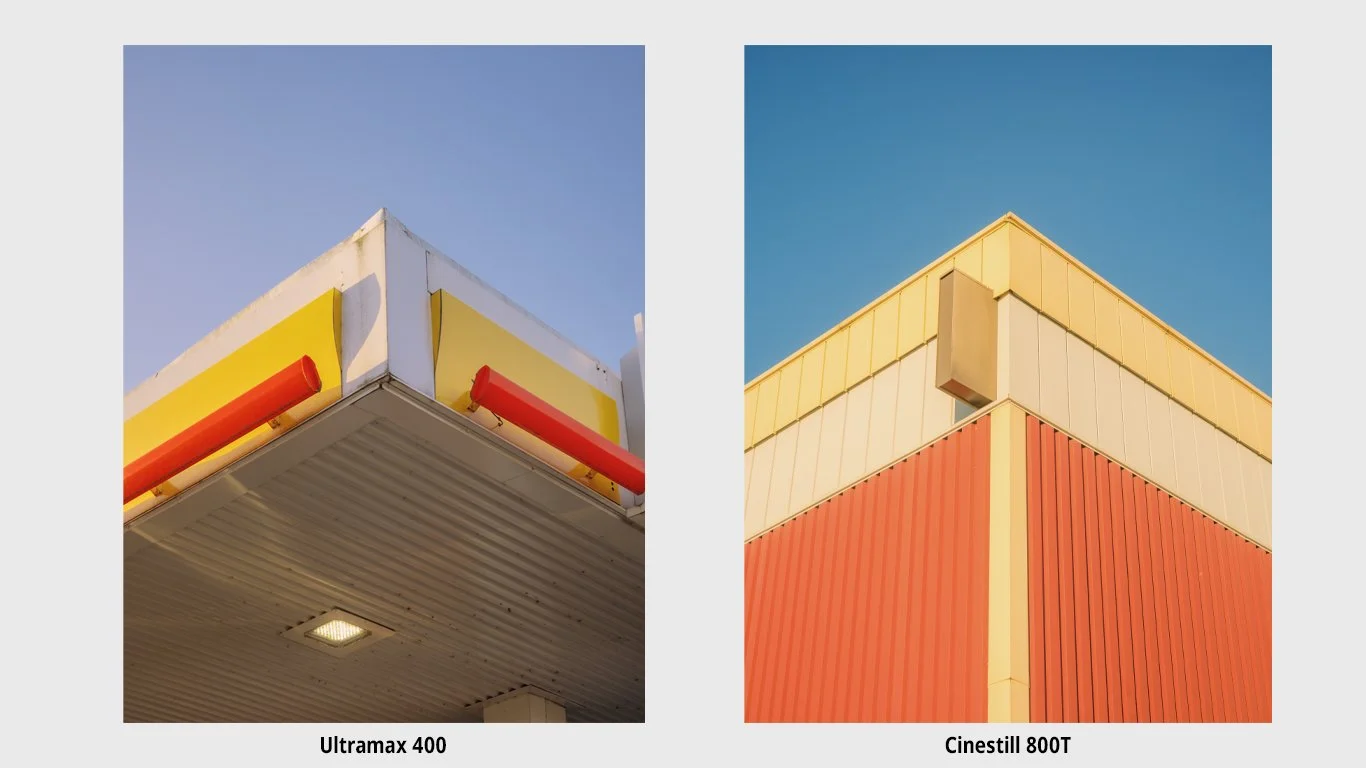
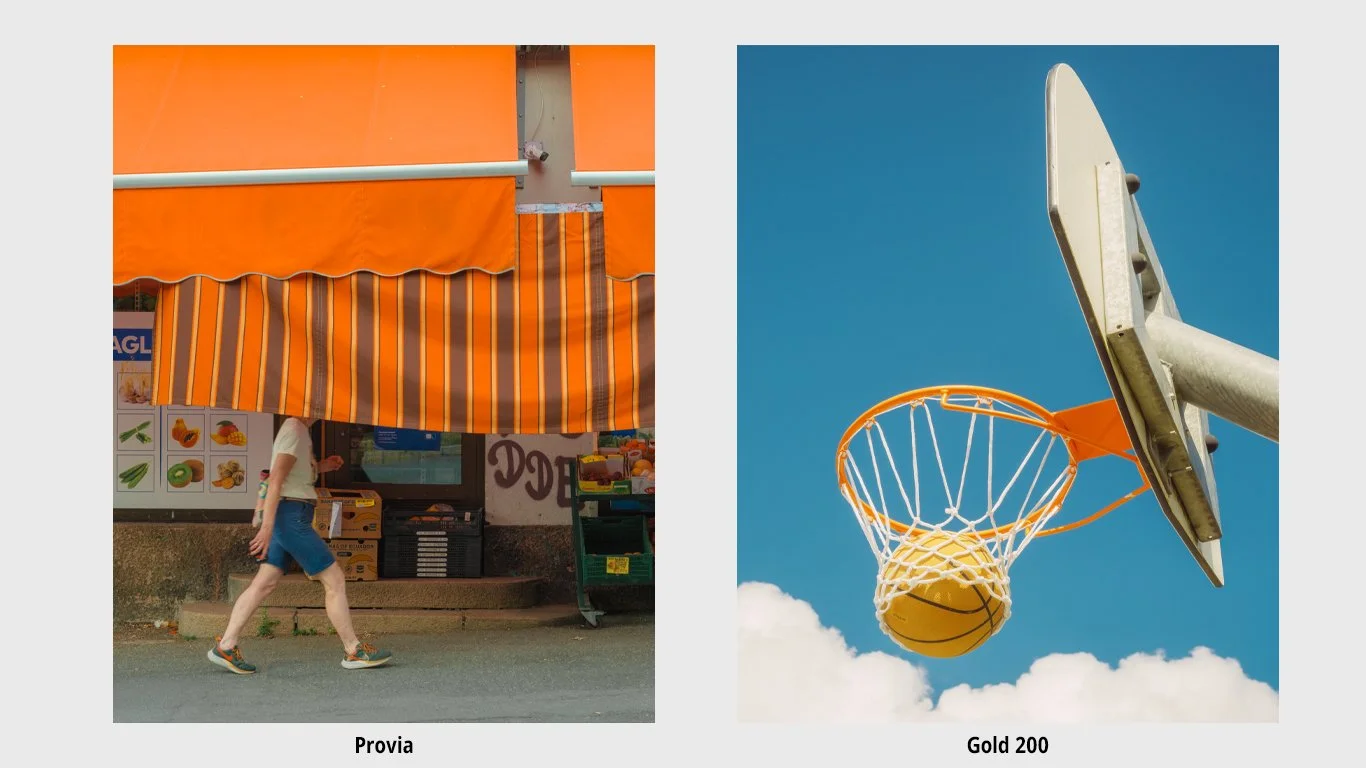
I think what confuses things most is the name. Film simulations. You can choose “Portra 400” or “Ultramax” settings… but come on. That’s not it. If they were called profiles, filters, or simply settings, the expectations would be different. And don’t get me wrong, you can make an image look film like. You can create something beautiful. You can make art that stands on its own, no matter the medium.
Film simulations are great. They’re fun. They’re creative. They’re immediate.
But they’re not quite film.
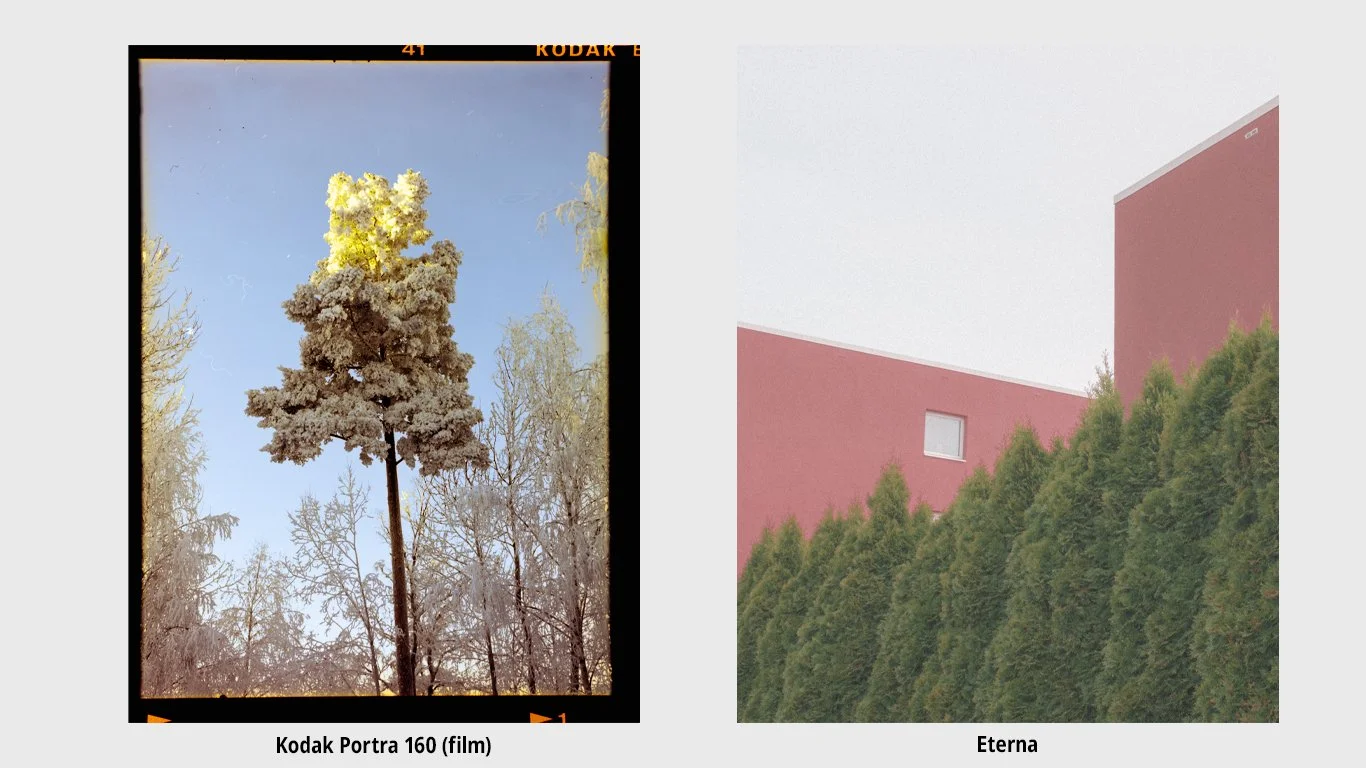
Just like a vinyl record has its own character, it’s not as clean or clinical as a CD. A CD might be technically closer to the studio master, but vinyl still ends up being the favourite for many. It has a vibe, a texture, a feel. Neither is better or worse, they’re simply different experiences.
And that’s okay.