Hasselblad 501CM | A Week With a Classic
So yes, this day actually happened. I finally got to test the Hasselblad 501CM.
I’ve dipped my toes into medium format once before. A couple of winters back I picked up a Mamiya RB67. Heavy. Chunky. Built like a tank. And the images it produced were incredible.
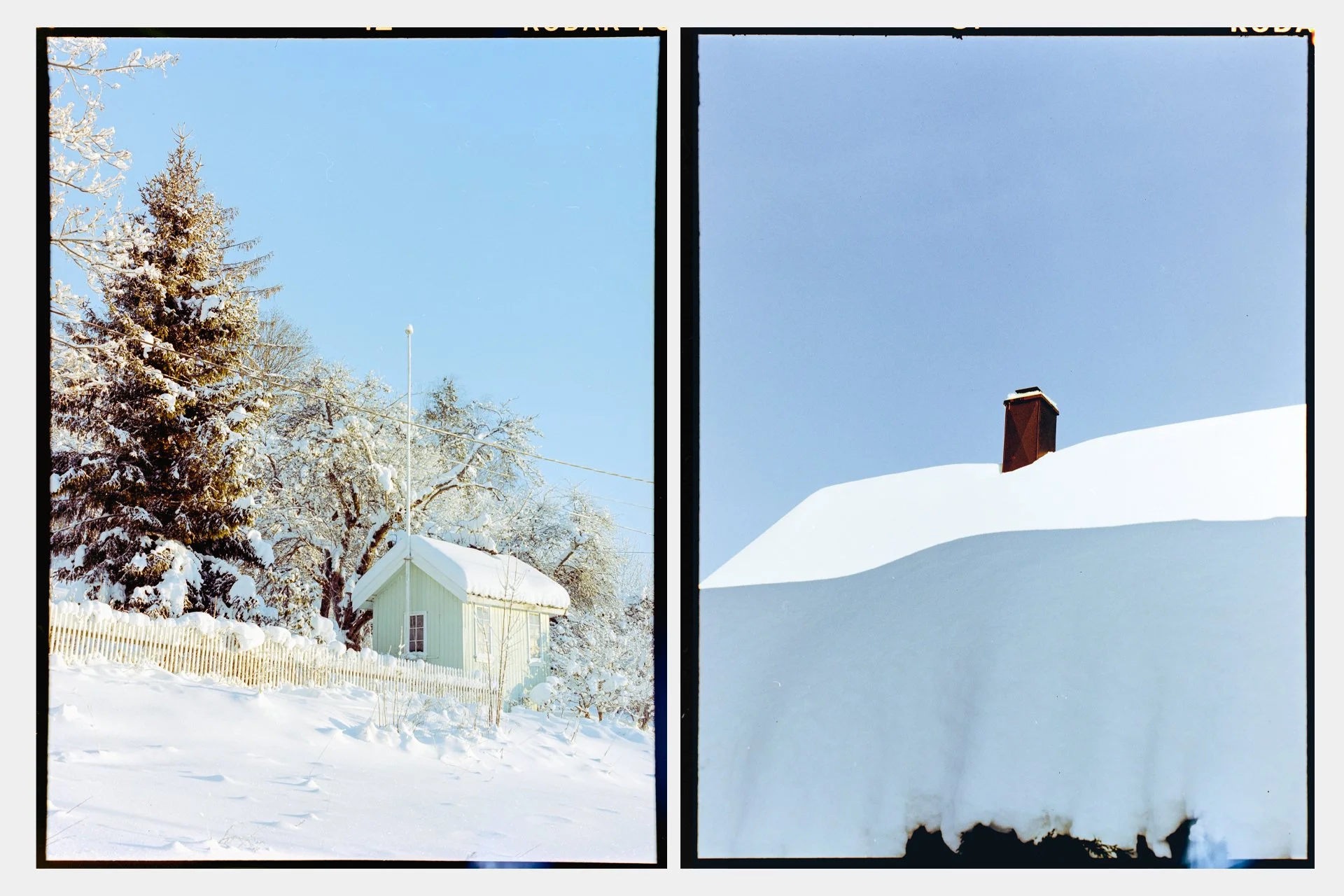
But carrying that thing around, often with a tripod, quickly became too much for my weak arms.
The camera stayed home more than it deserved.
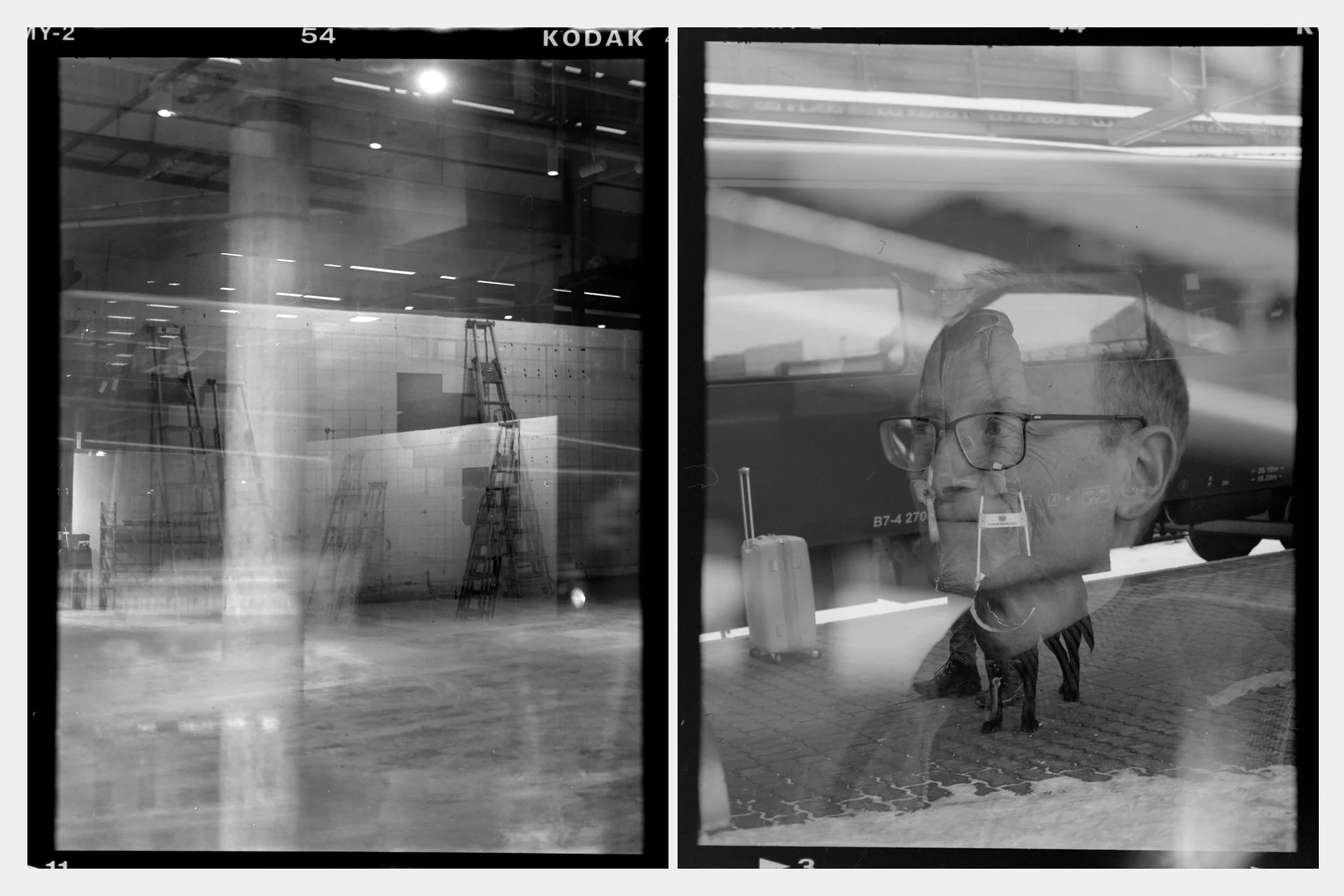
Then Stavanger Foto surprised us at Photobreak with a loaner: the Hasselblad 501CM. The very reason I wanted to try medium format in the first place.
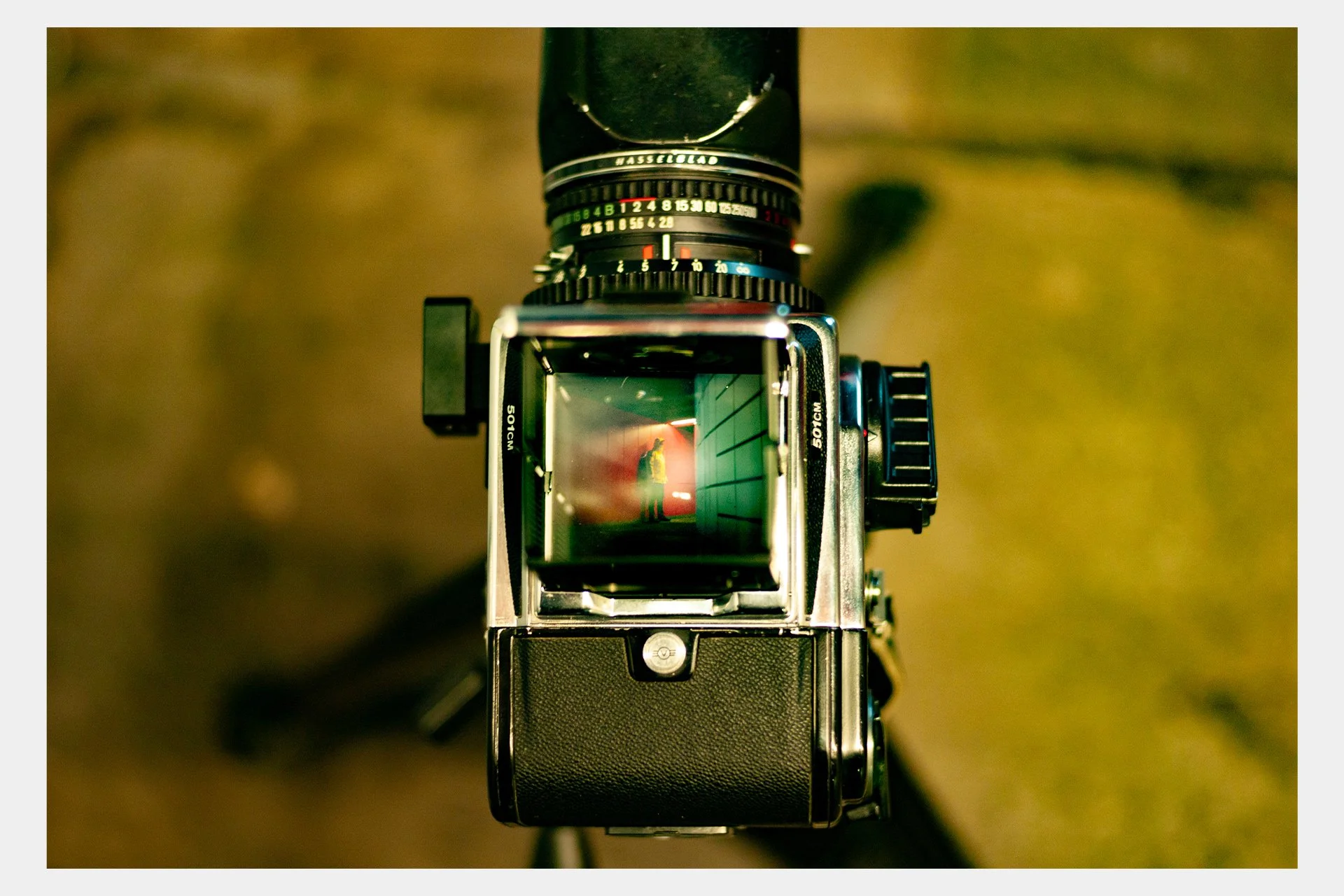
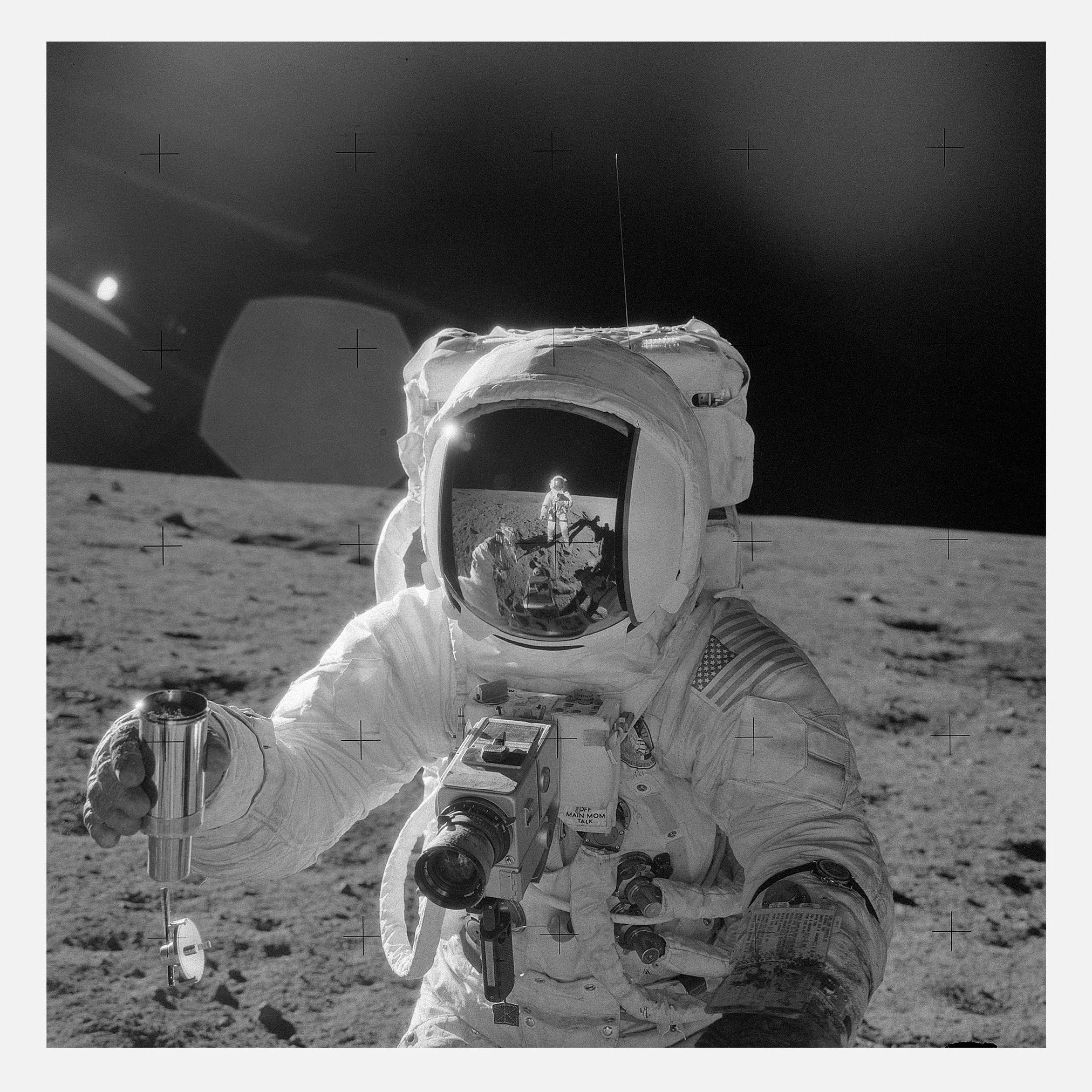
This camera is sexy. It’s a classic. It’s been to the moon, or at least a modified version of it has.
The 501CM is the final incarnation of the V-system: fully mechanical, leaf shutter, flash sync all the way up to 1/500. No batteries. No excuses.
This is your favourite football club in its prime.
Refined over decades, adjusted and perfected into what feels like the ultimate tool.
The moment you pick it up, you know, this is a camera made for professional photography. And just as quickly, you start asking yourself how you’re supposed to hold it… and operate it.
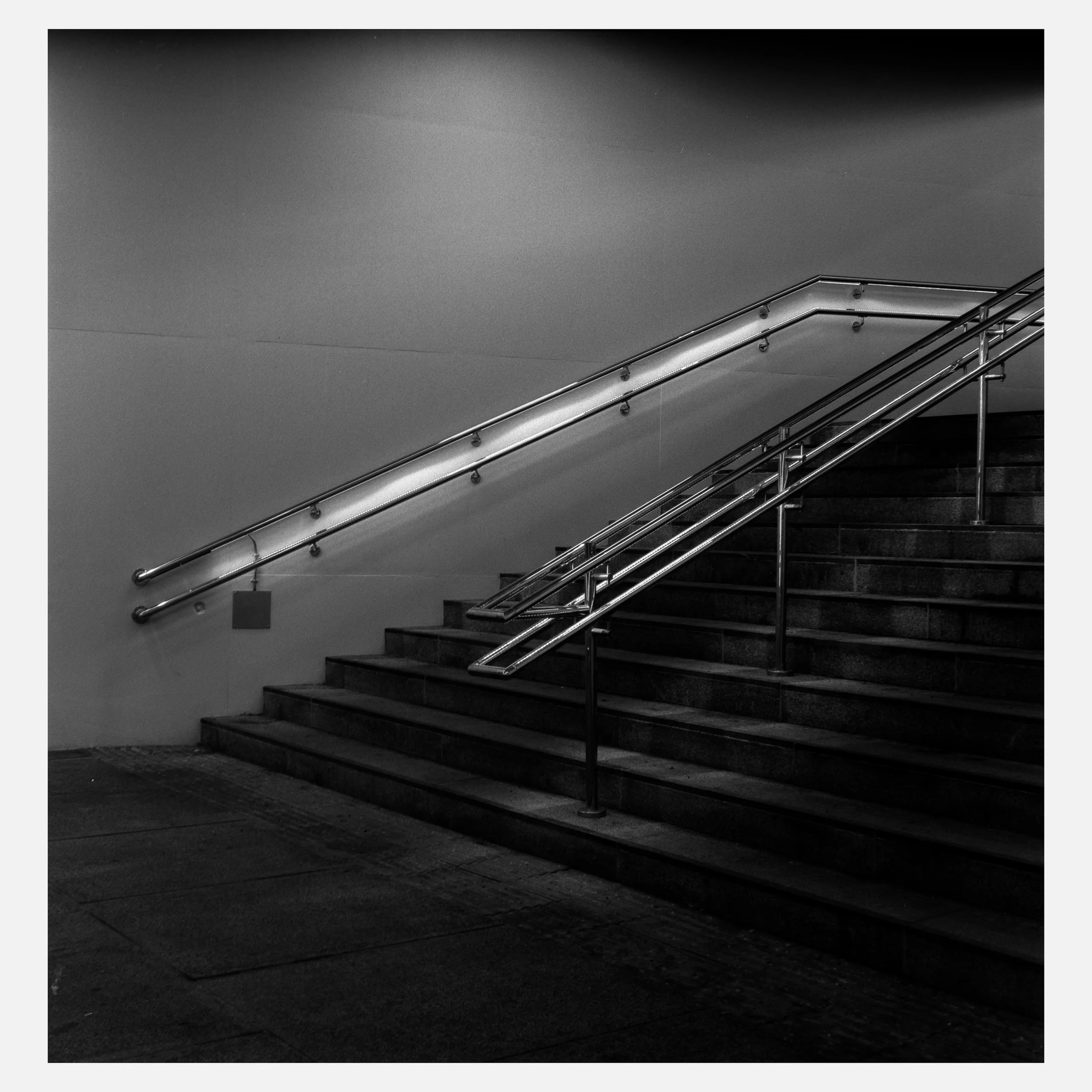
Unlike a 35mm camera, where your right hand triggers the shutter and your left focuses, the Hasselblad is meant to be used the other way around.
Right hand focusing. Left arm wrapped underneath the camera, pressing the shutter.
That felt completely wrong to me. So I ignored it and used the camera the way I always do, focusing with my left hand. Old habits, hard to kill.

And that leads me to my only real downside.
Focusing is hard.
When you nail focus, it looks insane. But knowing when you’ve nailed it? That’s the stressful part. I often felt unsure, second guessing myself just a little too much.
For my current work, where deep focus is the norm, it’s not really an issue.
But for portraits? I’d be lying if I said I wouldn’t feel nervous waiting to see the negatives.
Which is ironic, because this camera is a portrait master.
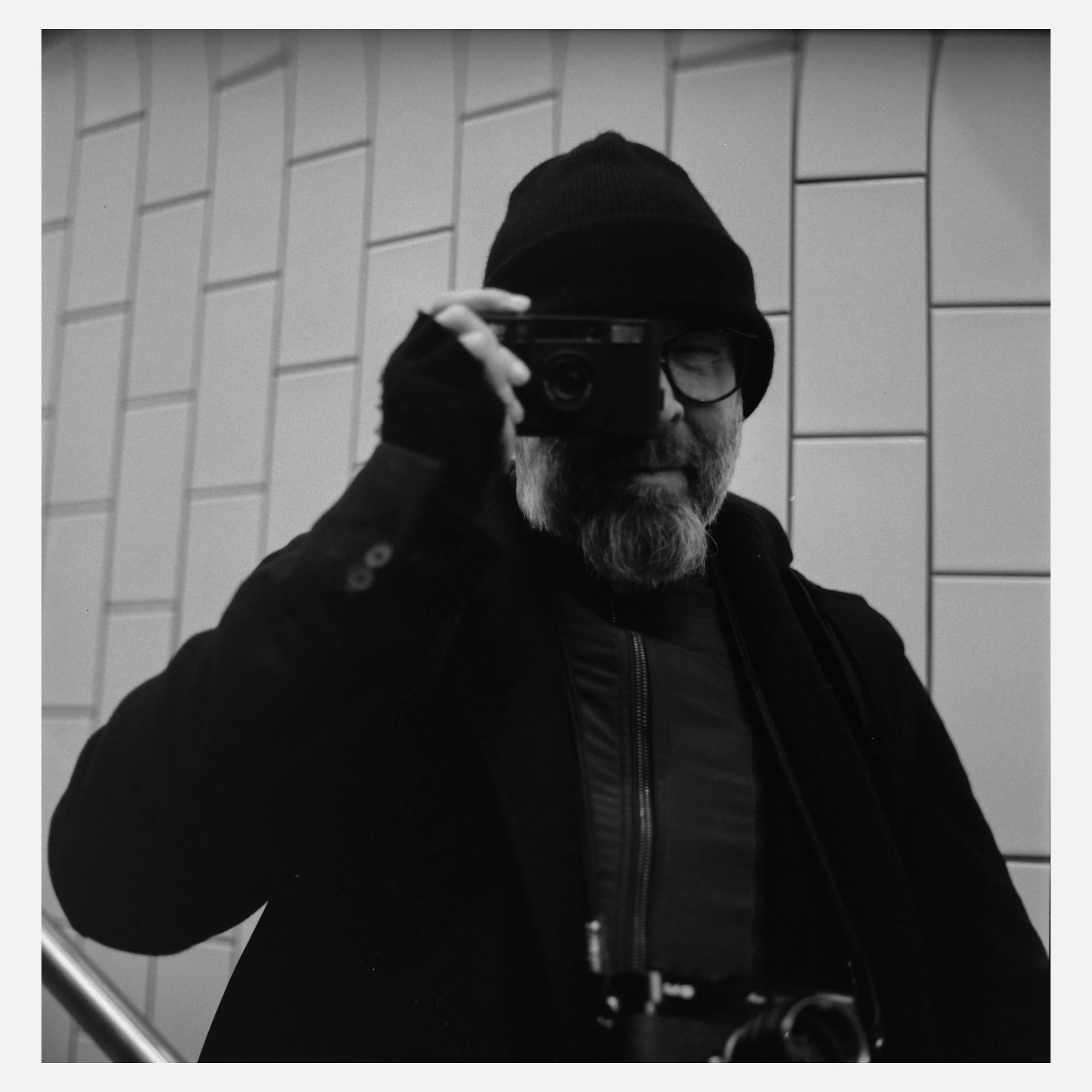
Paired with the Carl Zeiss 80mm, it’s a wonderful experience. The rendering, the separation, the calm confidence of the lens, it all just works.
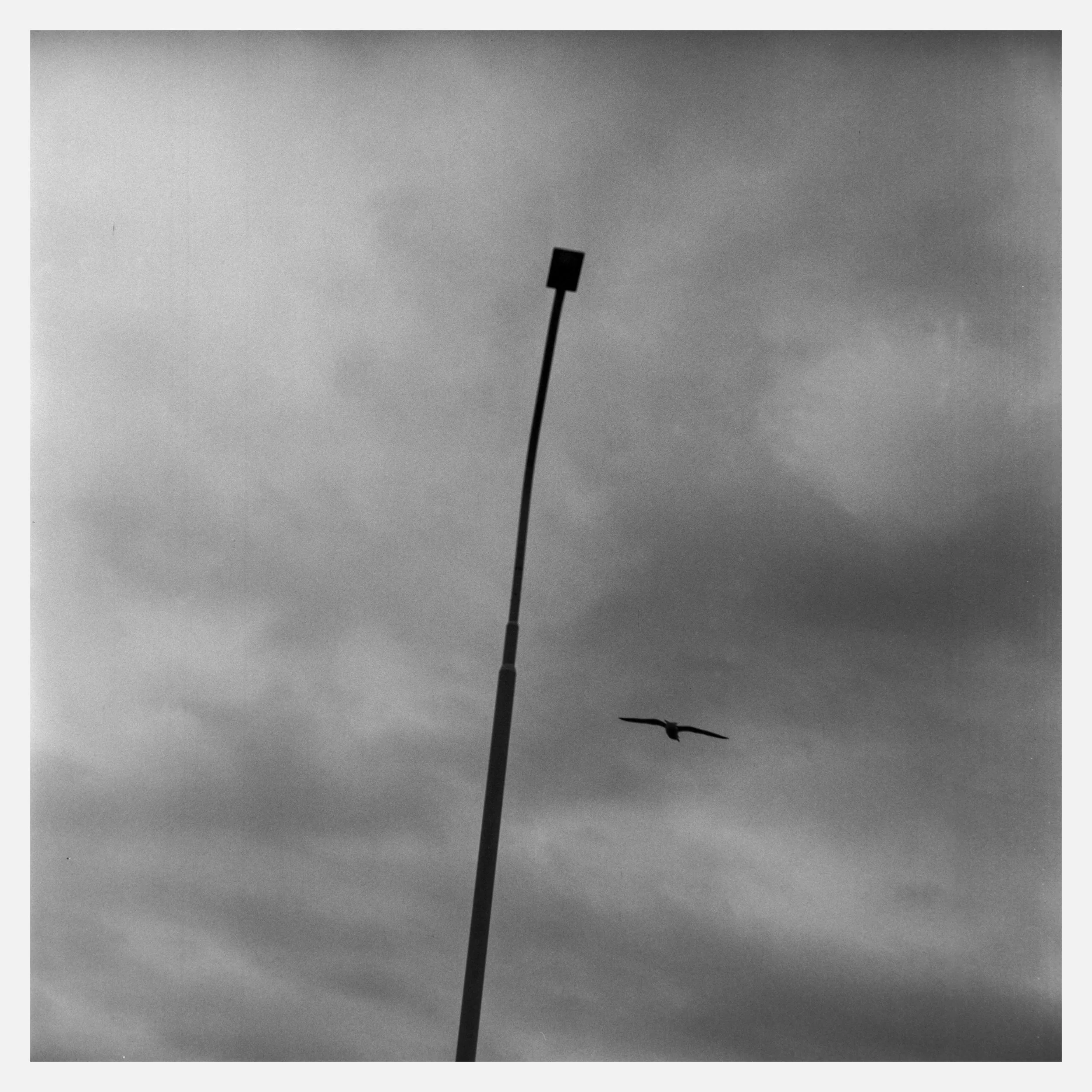
Loading film is fairly easy, though you’ll want to look it up the first time.
There’s a sequence to follow, and it’ll feel slow in the beginning. But once it clicks, you can load a back in under a minute.
And the backs, that’s a big part of the magic.
Interchangeable film backs mean you can switch films mid roll, or even mount a digital back if that’s your thing.
The system opens up so many possibilities for making exceptional photographs.
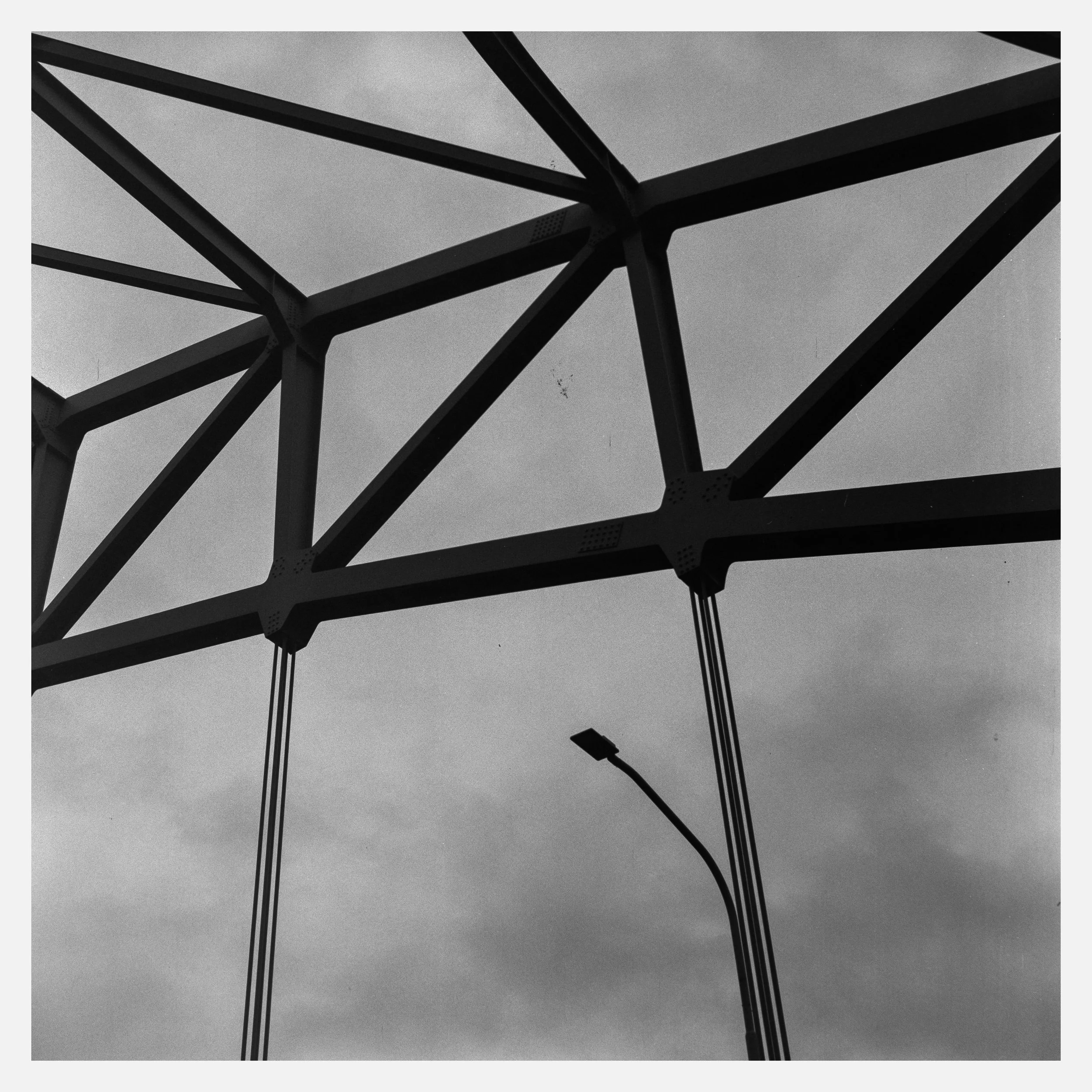
I only had the camera for a week, and the weather stayed stubbornly overcast. Still, I came away with frames I genuinely enjoyed.
When I frame with the Hasselblad, I’m far more intentional than usual.
My keeper rate goes up, but some of the looseness disappears. Balance is needed here, Aristotle would agree.
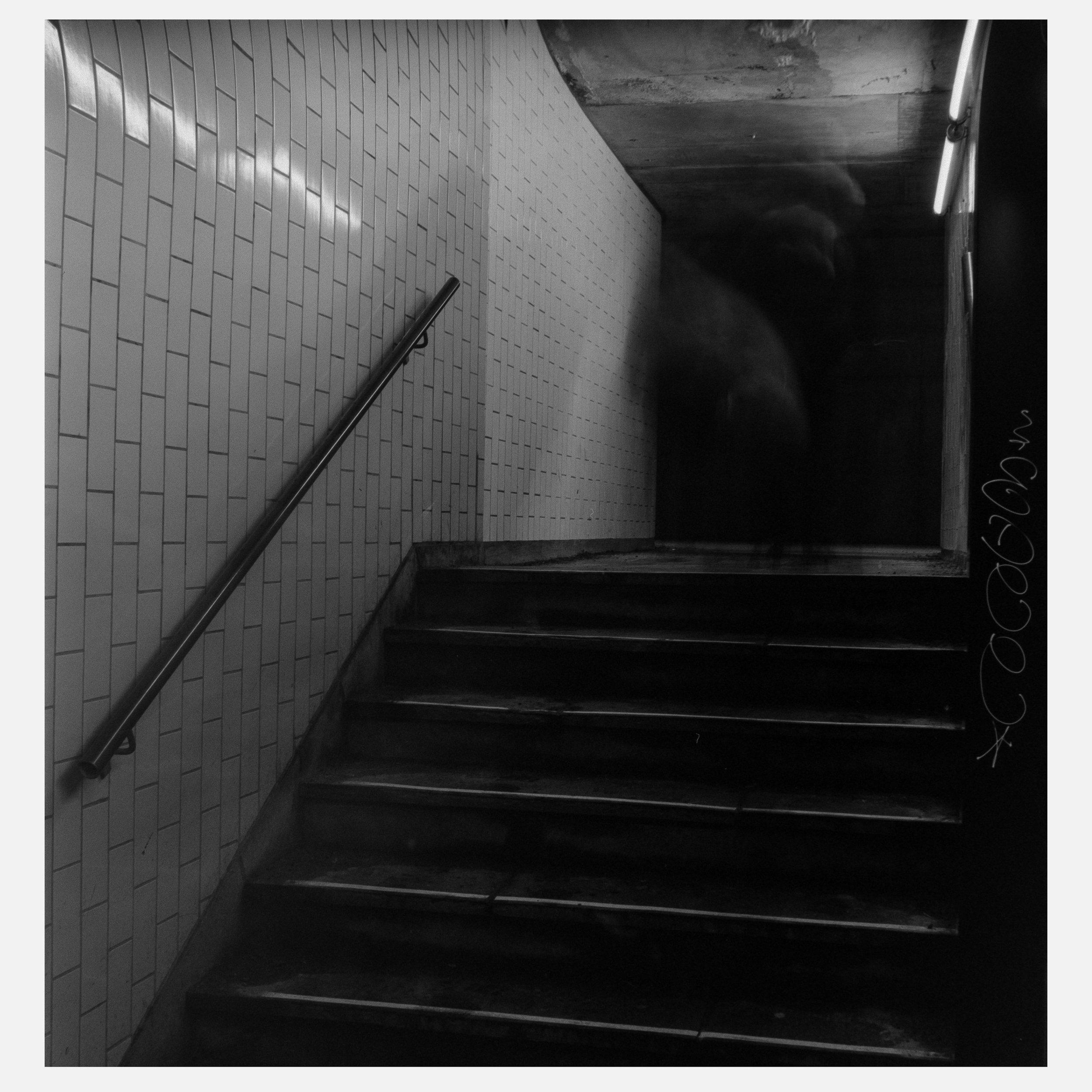
The negatives are huge, the 6×6 aspect ratio feels strange at first, but after a small rearranging of the brain, you’ll start firing deep magic without even thinking about it.
What a beautiful experience it was to spend time with the Hasselblad 501CM.